

Ha Wan Tsuen
Located in the border area of Lok Ma Chau and adjacent to the Shenzhen River—Ha Wan Tsuen has a long history. Most of the villagers of Ha Wan Tsuen came from the Mainland, since the village used to be where mainland smugglers first landed in Hong Kong. They started cultivating the land and earned their own livelihood with farming and fishing.
Villagers of Ha Wan Tsuen do not share the same surname; the village also does not have indigenous inhabitants, hence no customs to pass on. What connects villagers with traditional culture for over a century is the large Ficus microcarpa (banyan tree) next to the rain shelter and the basketball court.
Ha Wan Tsuen
Located in the border area of Lok Ma Chau and adjacent to the Shenzhen River—Ha Wan Tsuen has a long history. Most of the villagers of Ha Wan Tsuen came from the Mainland, since the village used to be where mainland smugglers first landed in Hong Kong. They started cultivating the land and earned their own livelihood with farming and fishing.
Villagers of Ha Wan Tsuen do not share the same surname; the village also does not have indigenous inhabitants, hence no customs to pass on. What connects villagers with traditional culture for over a century is the large Ficus microcarpa (banyan tree) next to the rain shelter and the basketball court.
Village
Satellite Photos

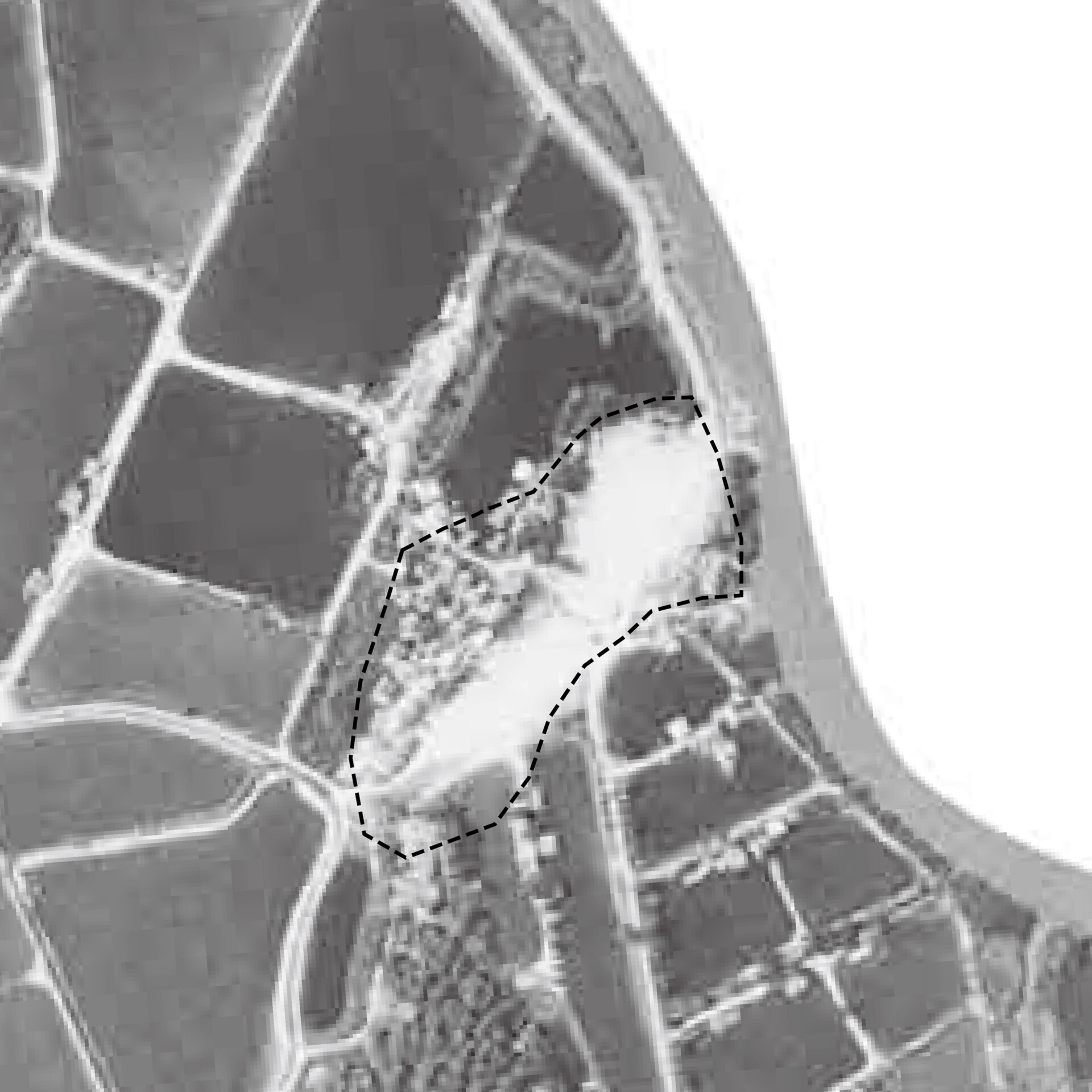

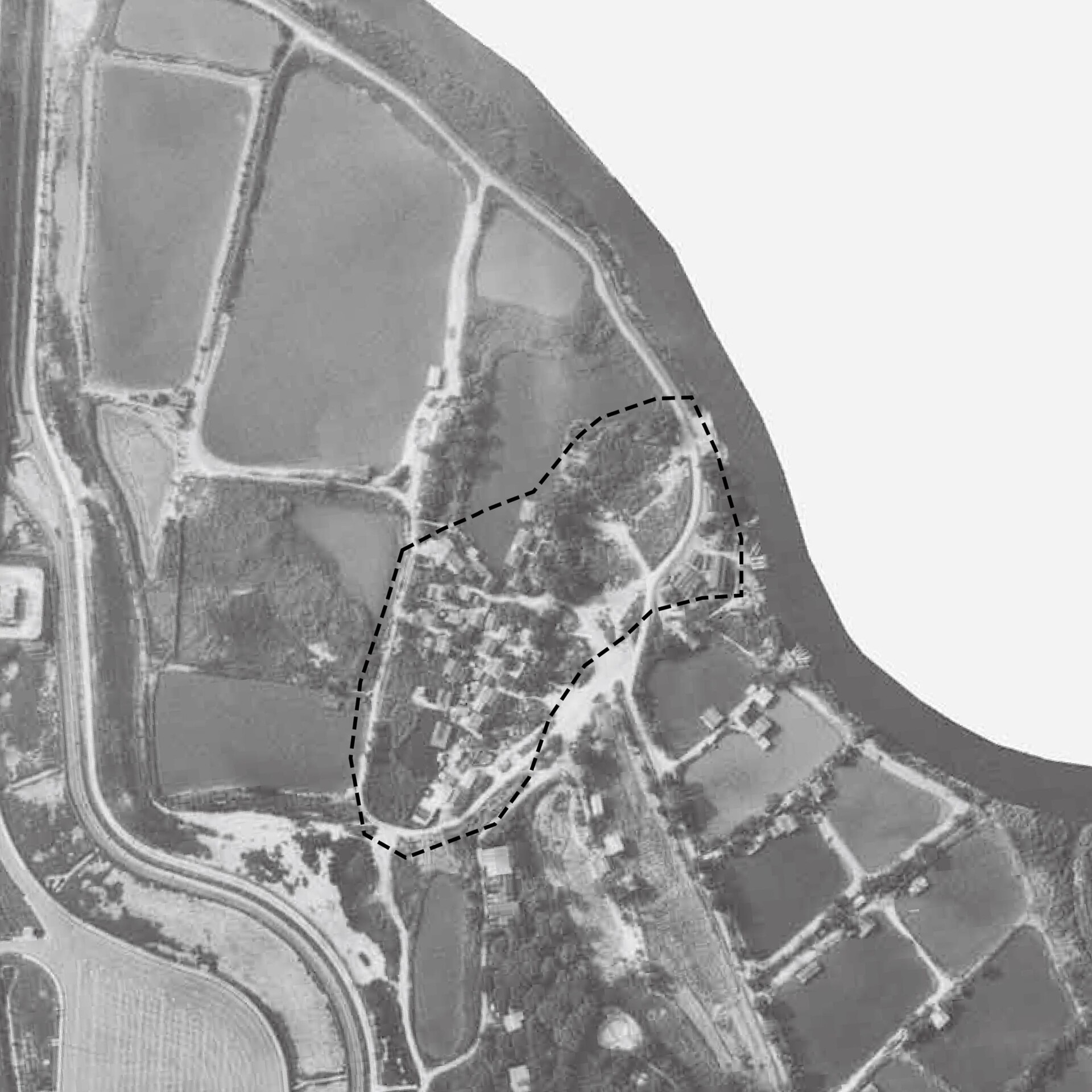

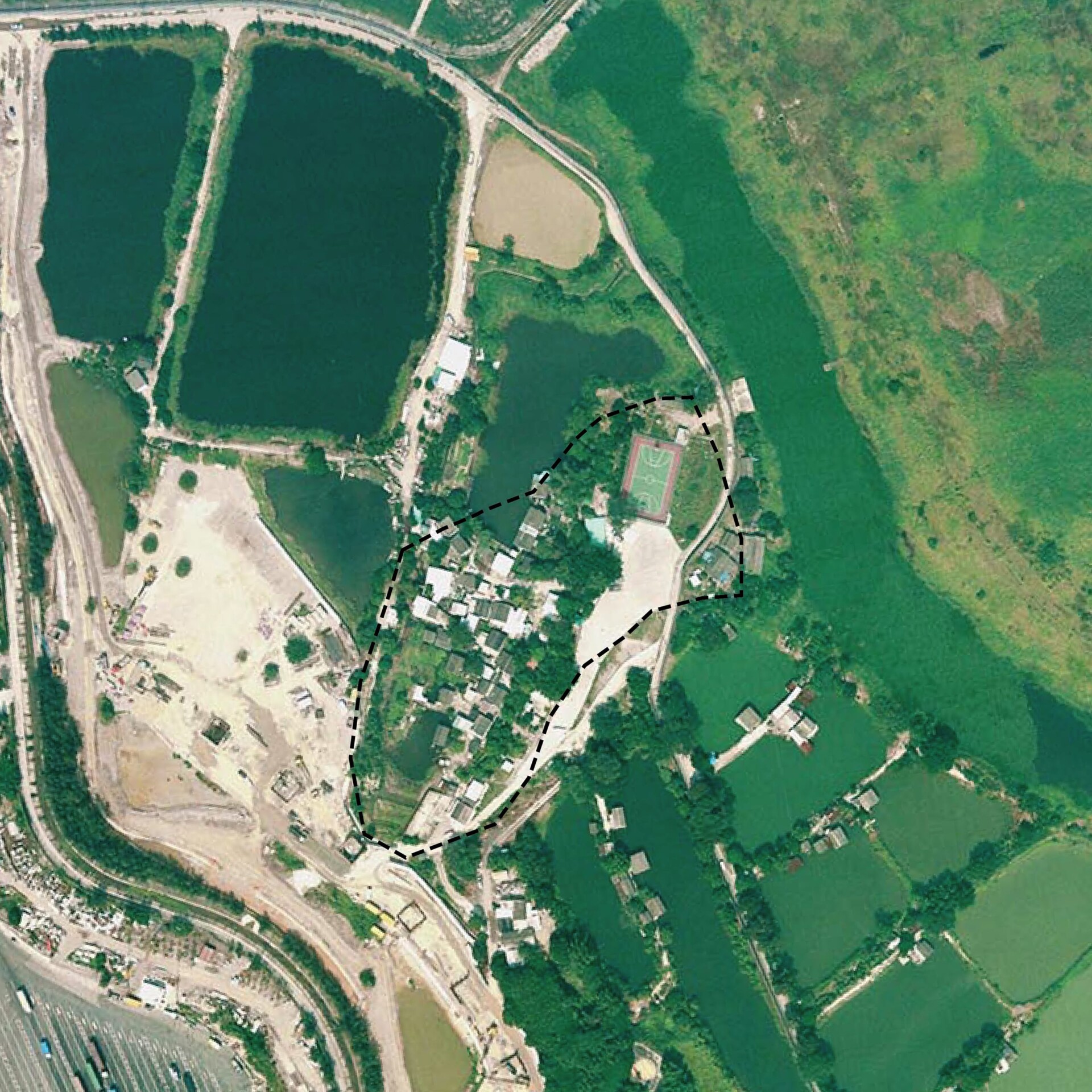
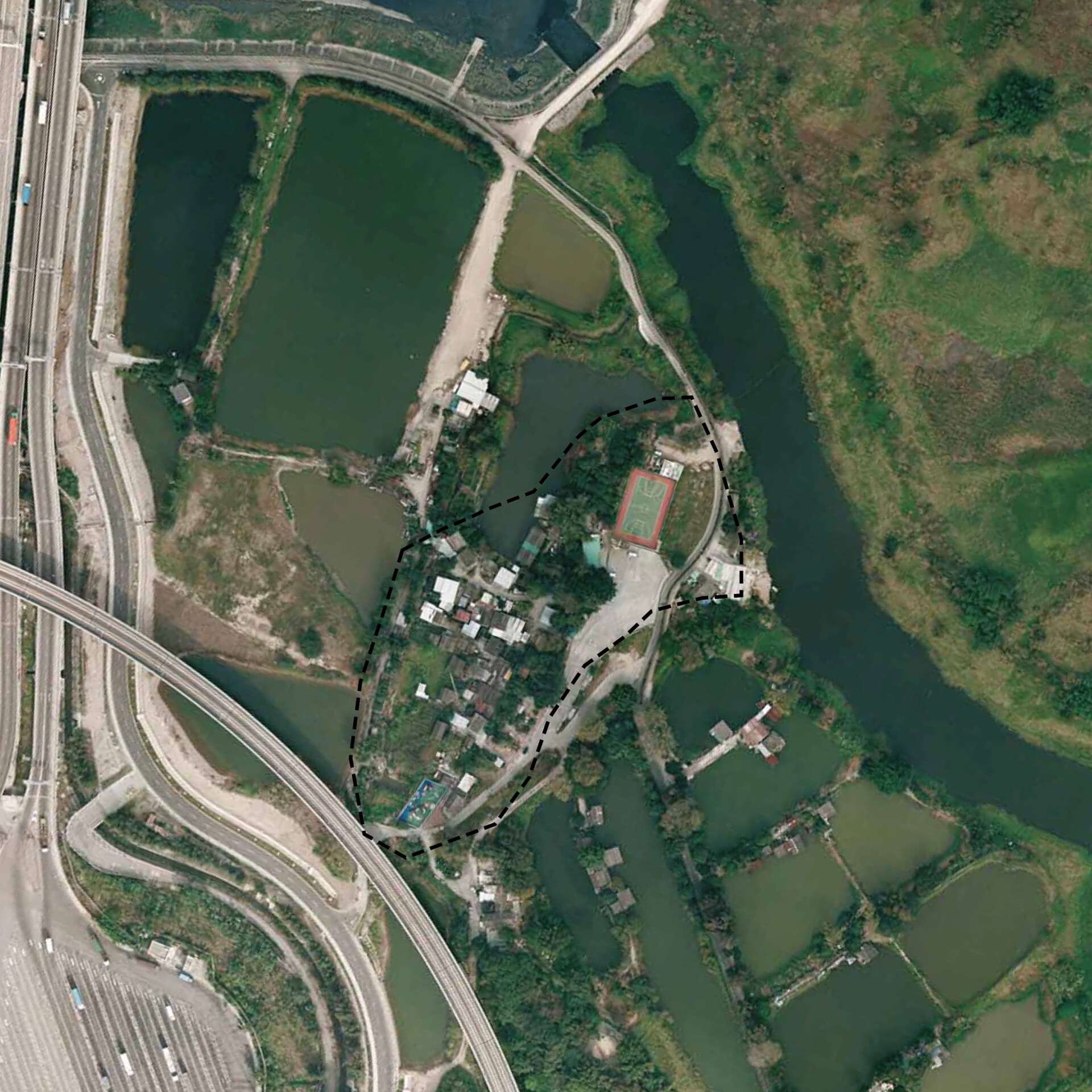


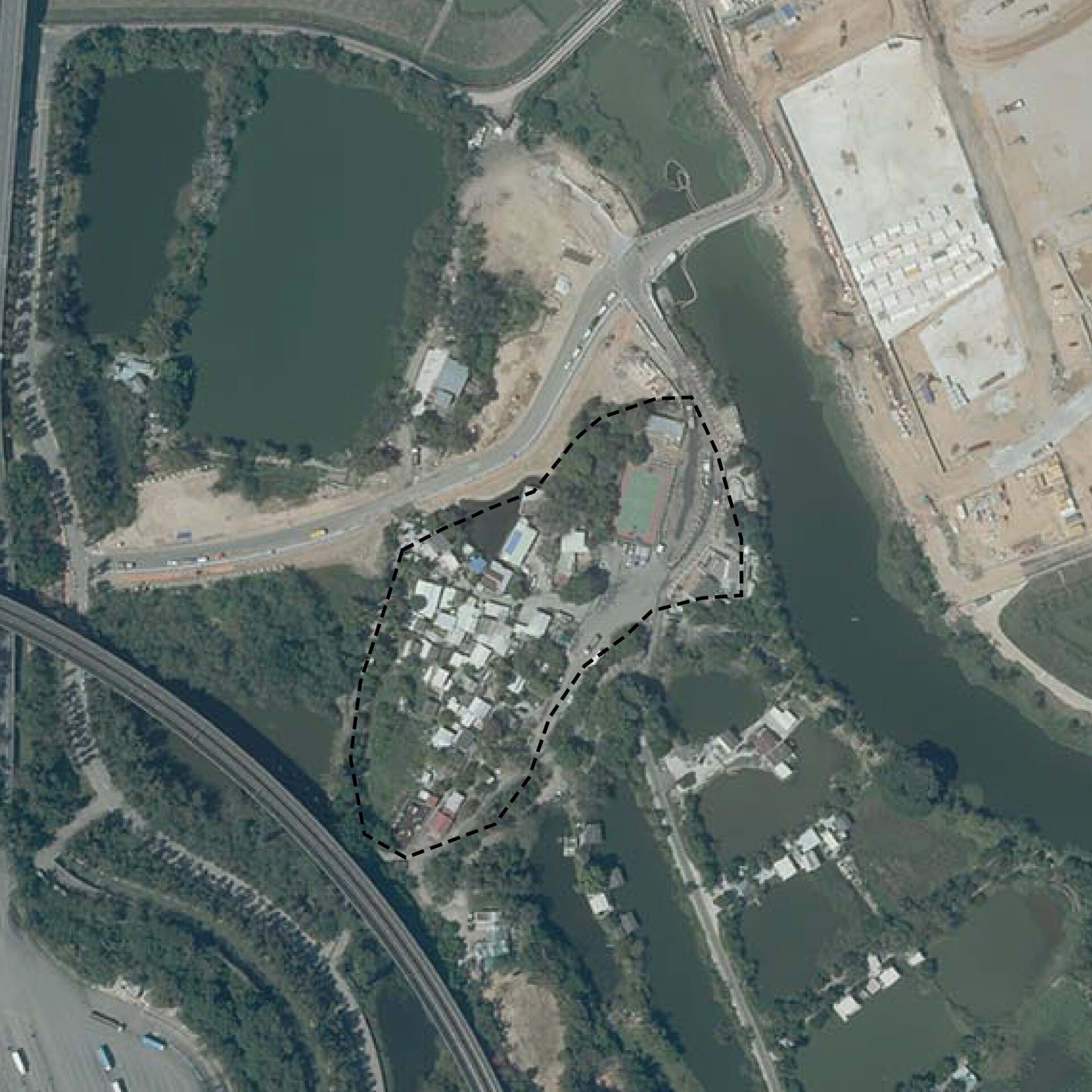
Village Spatial Setting
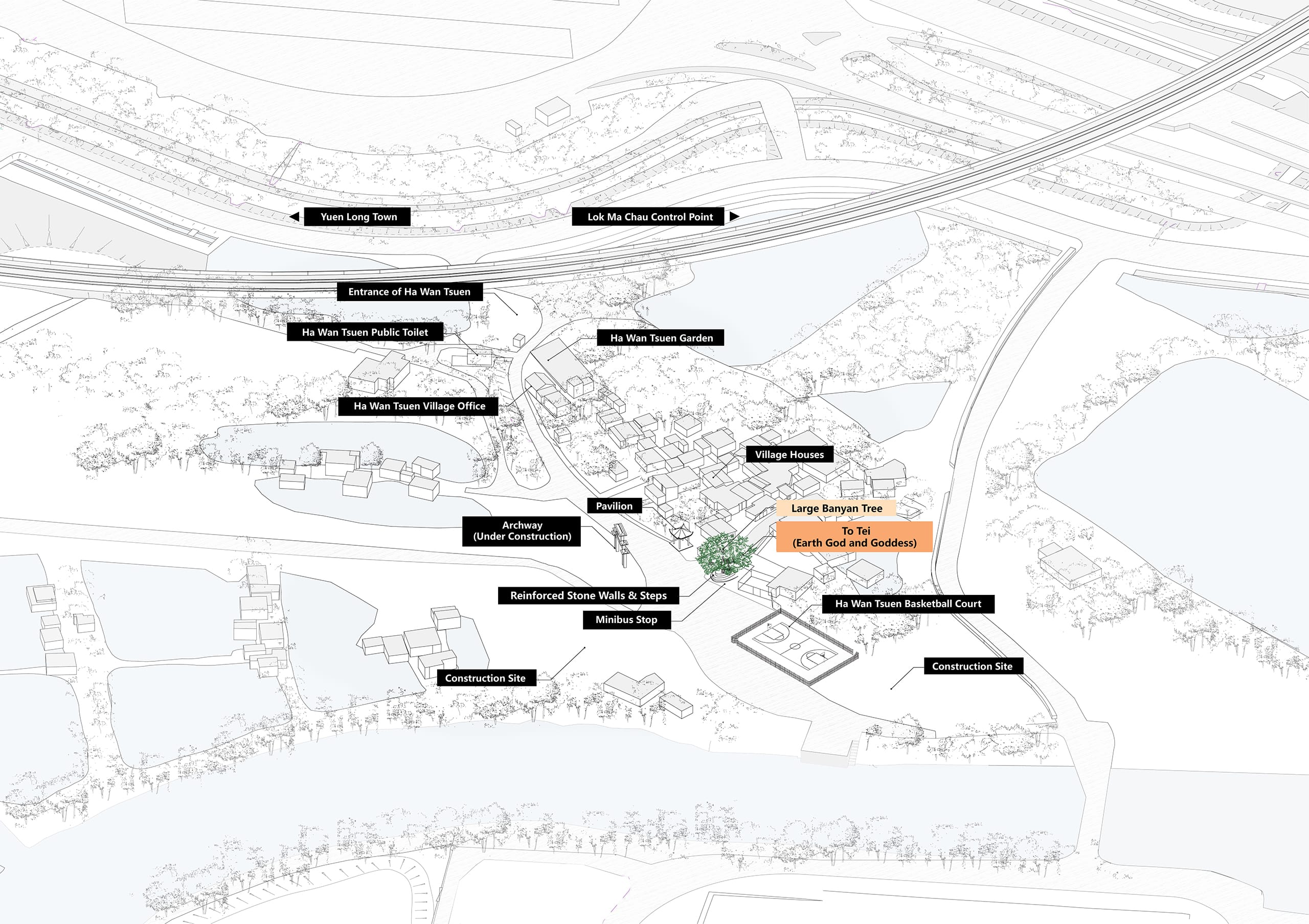
Tree
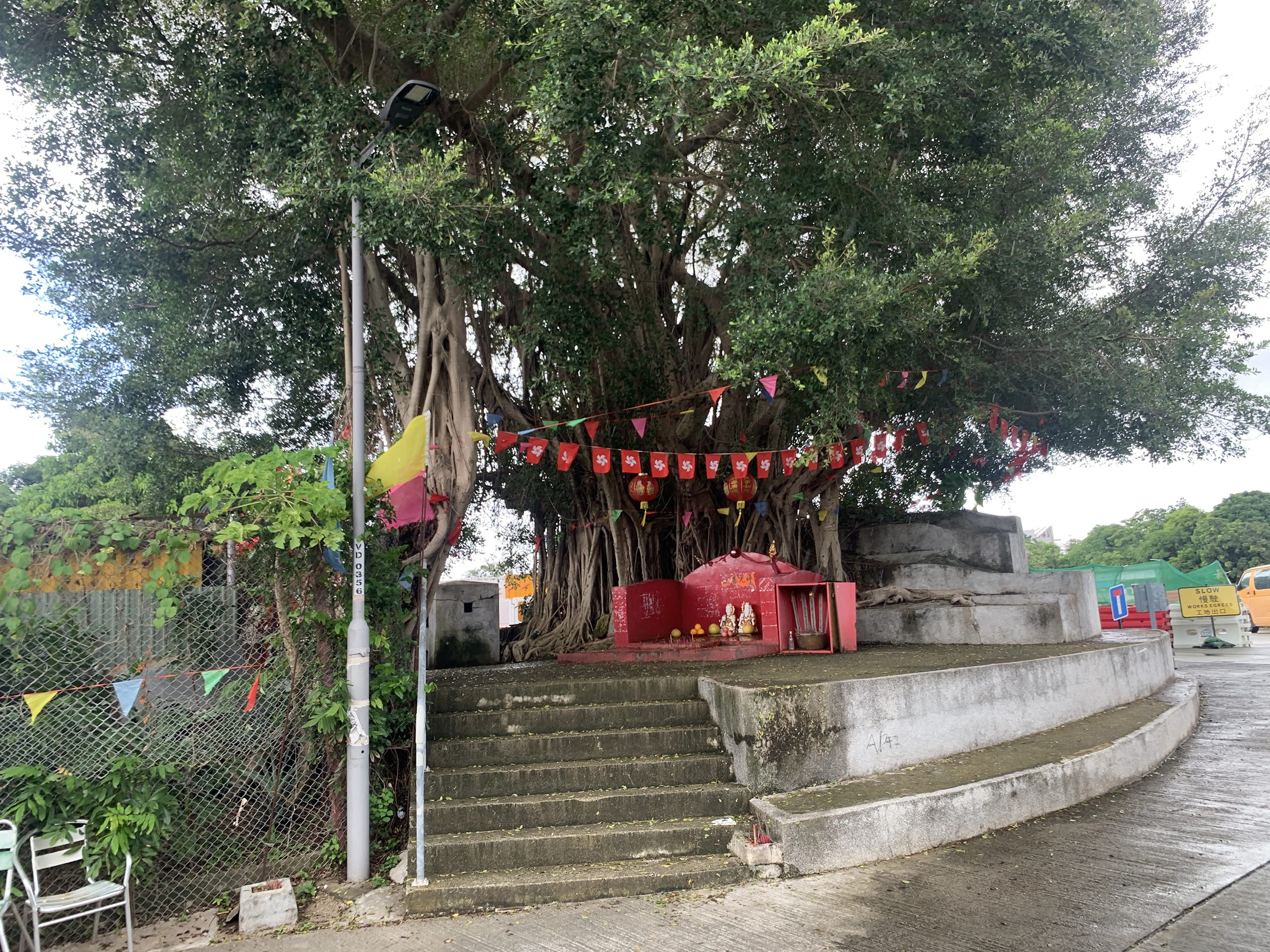
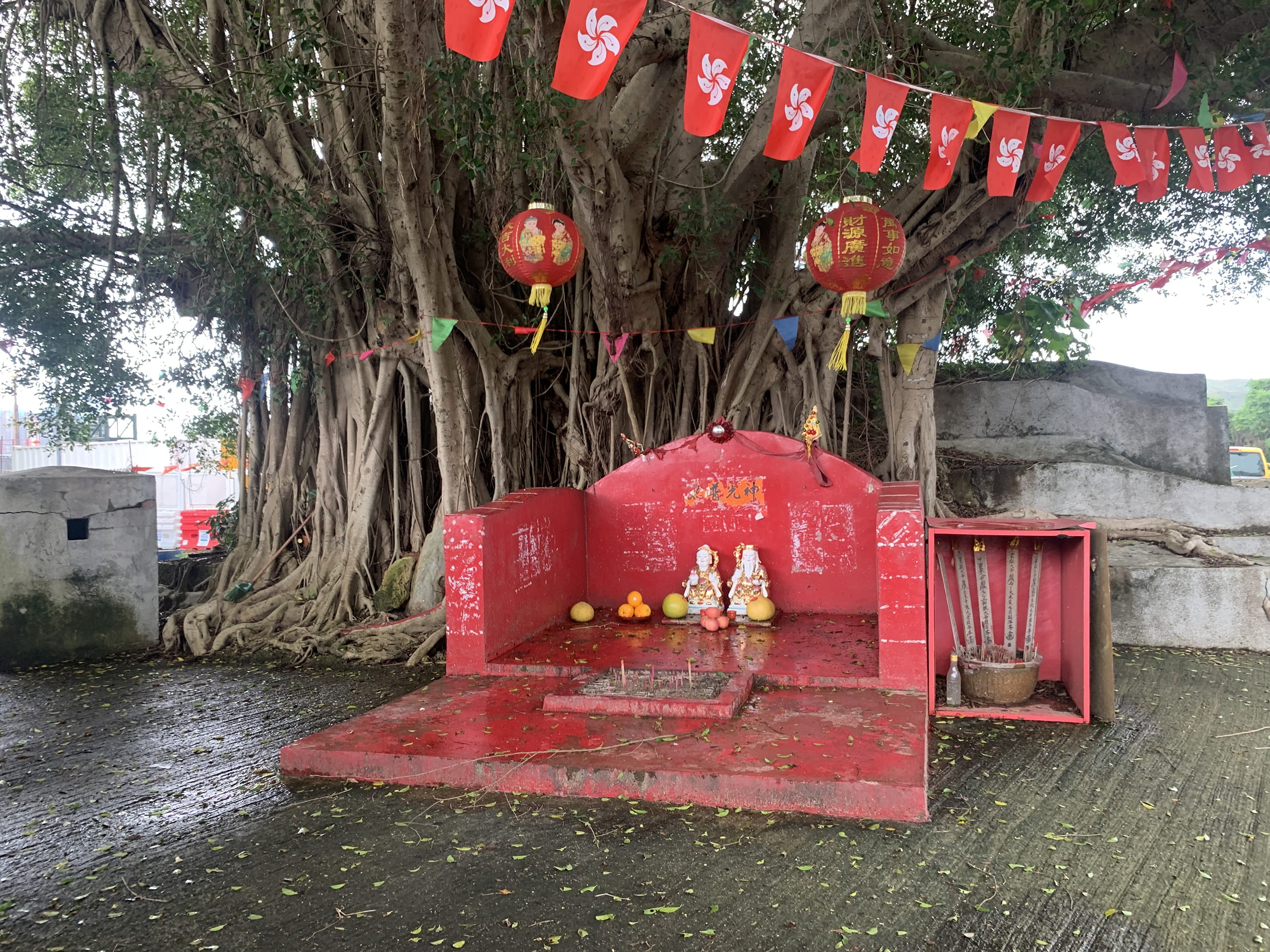
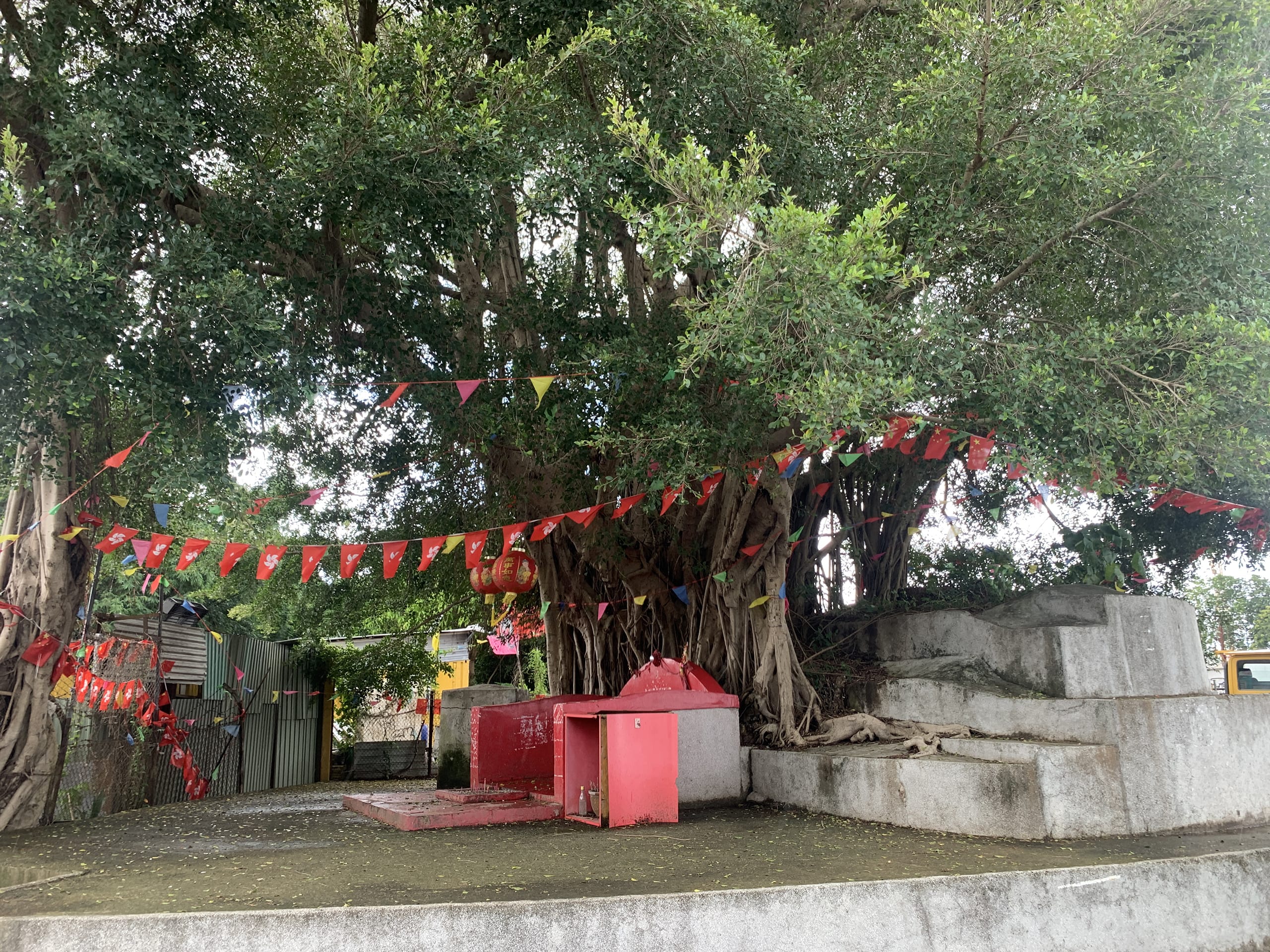
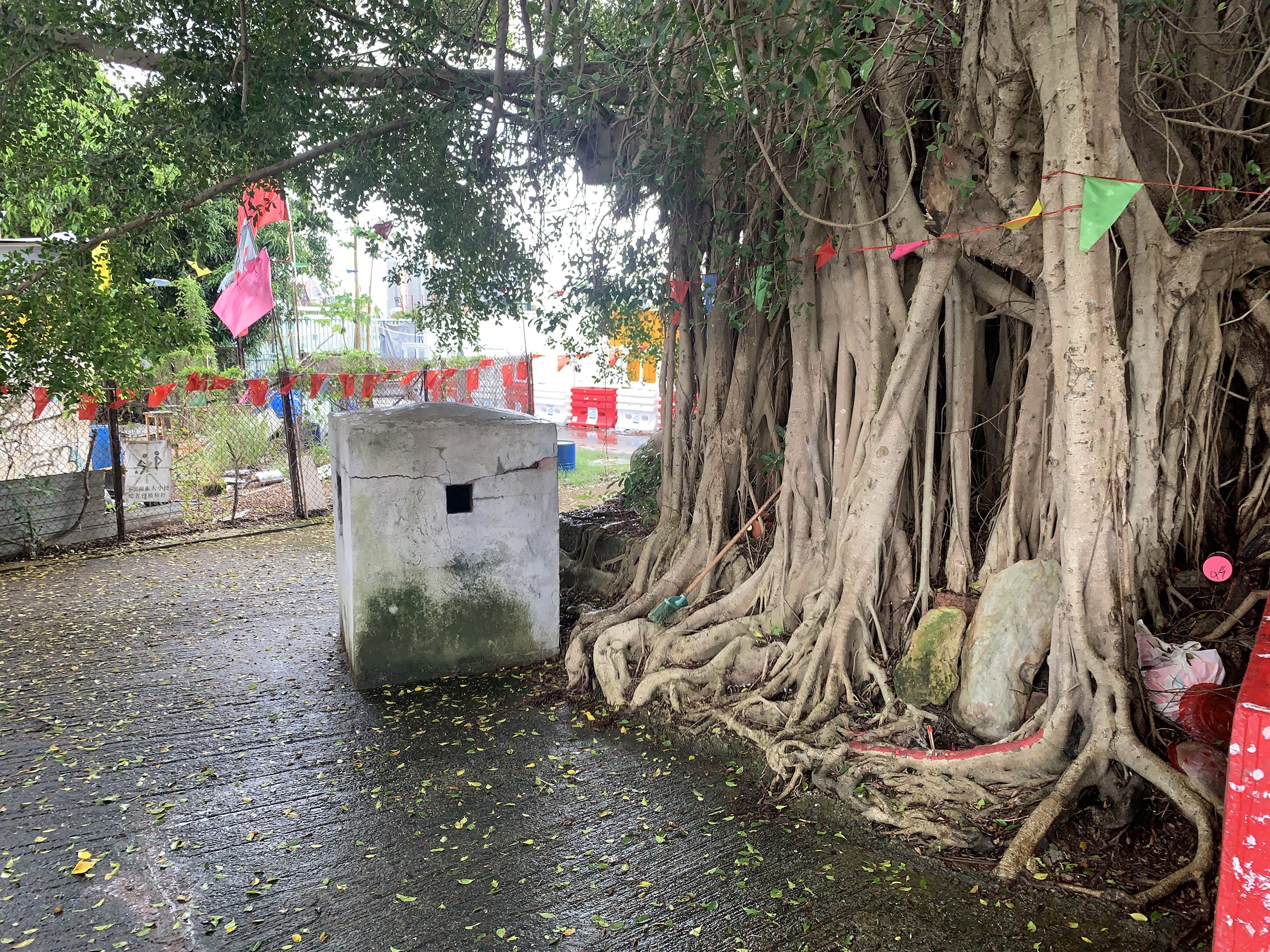
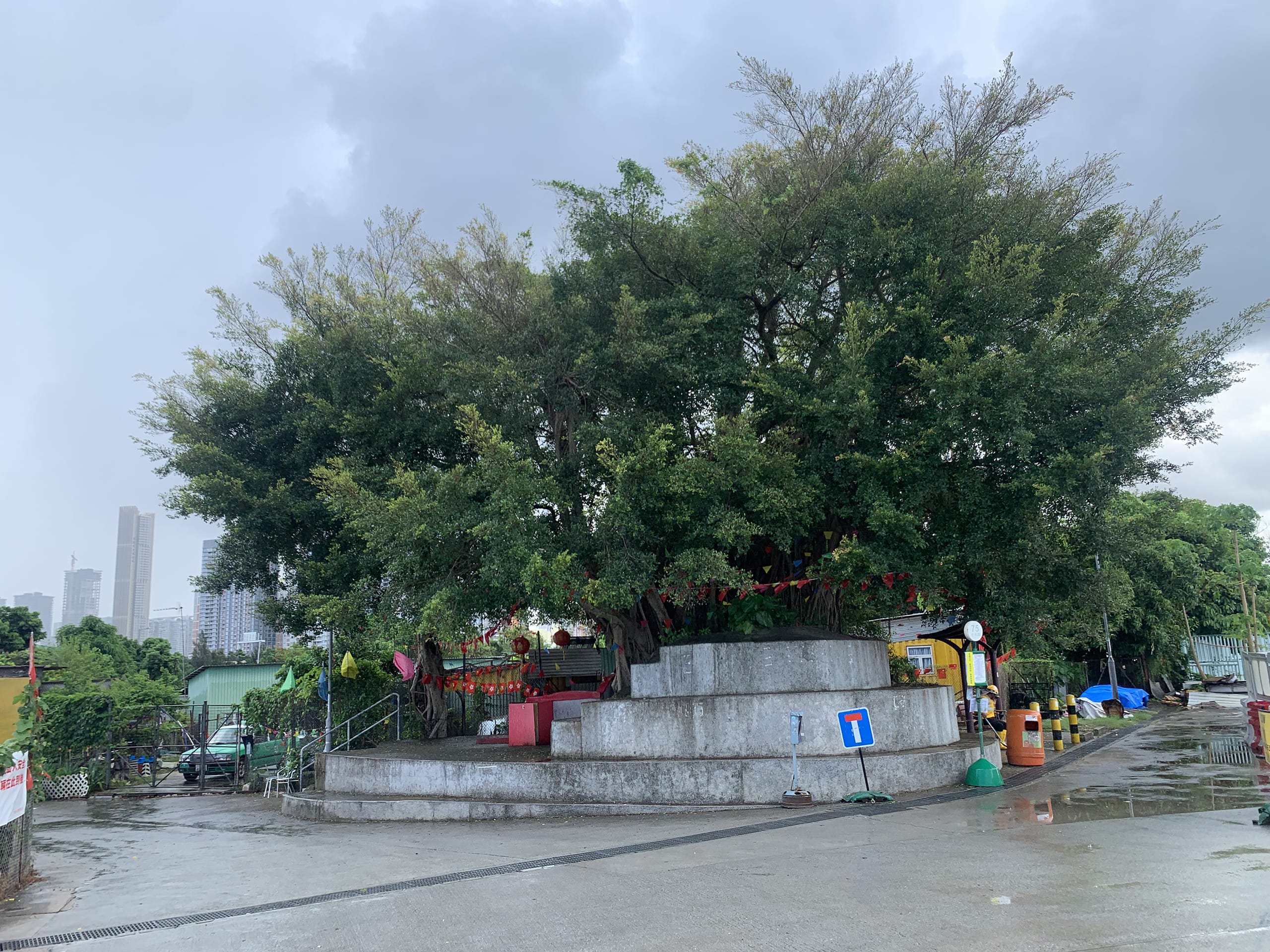
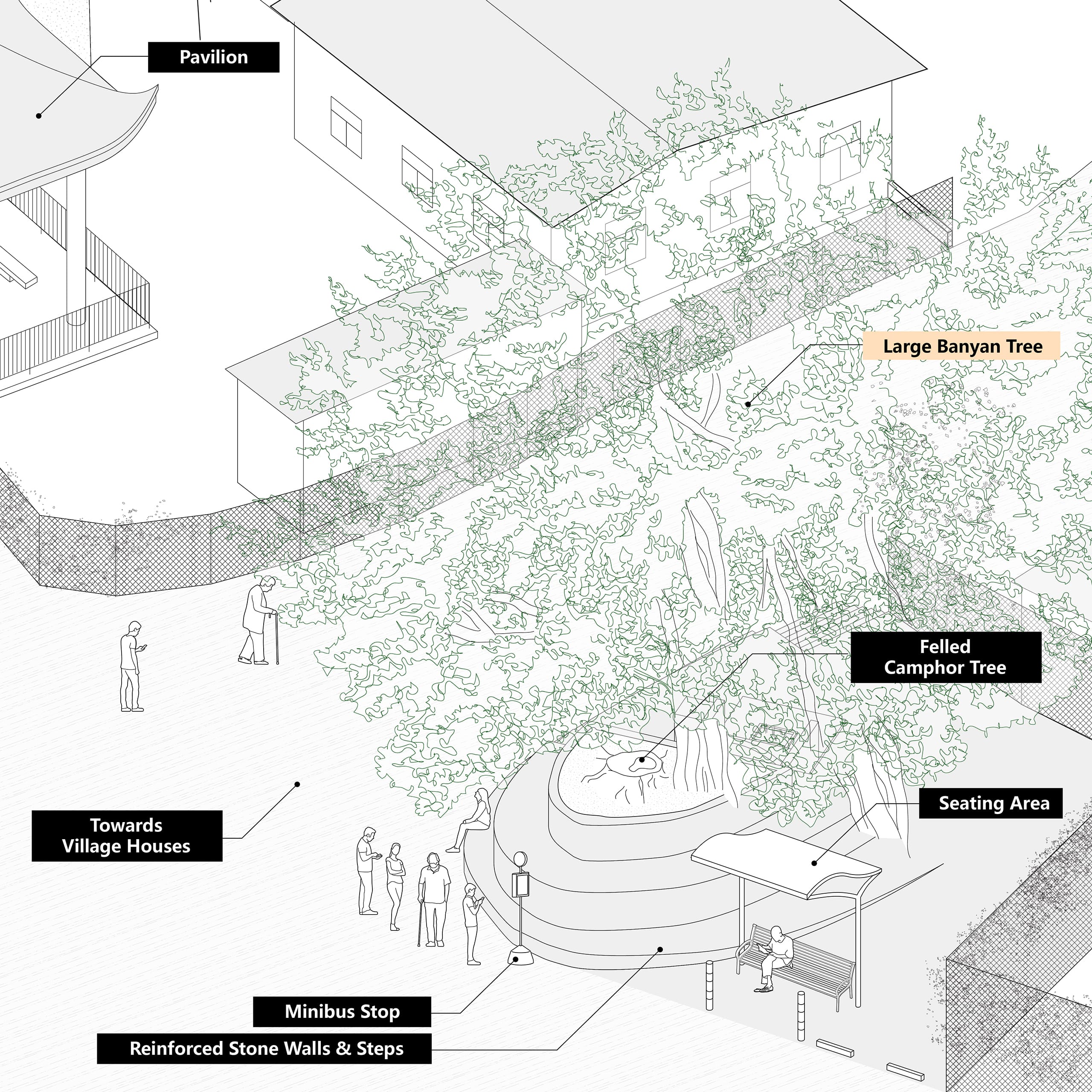
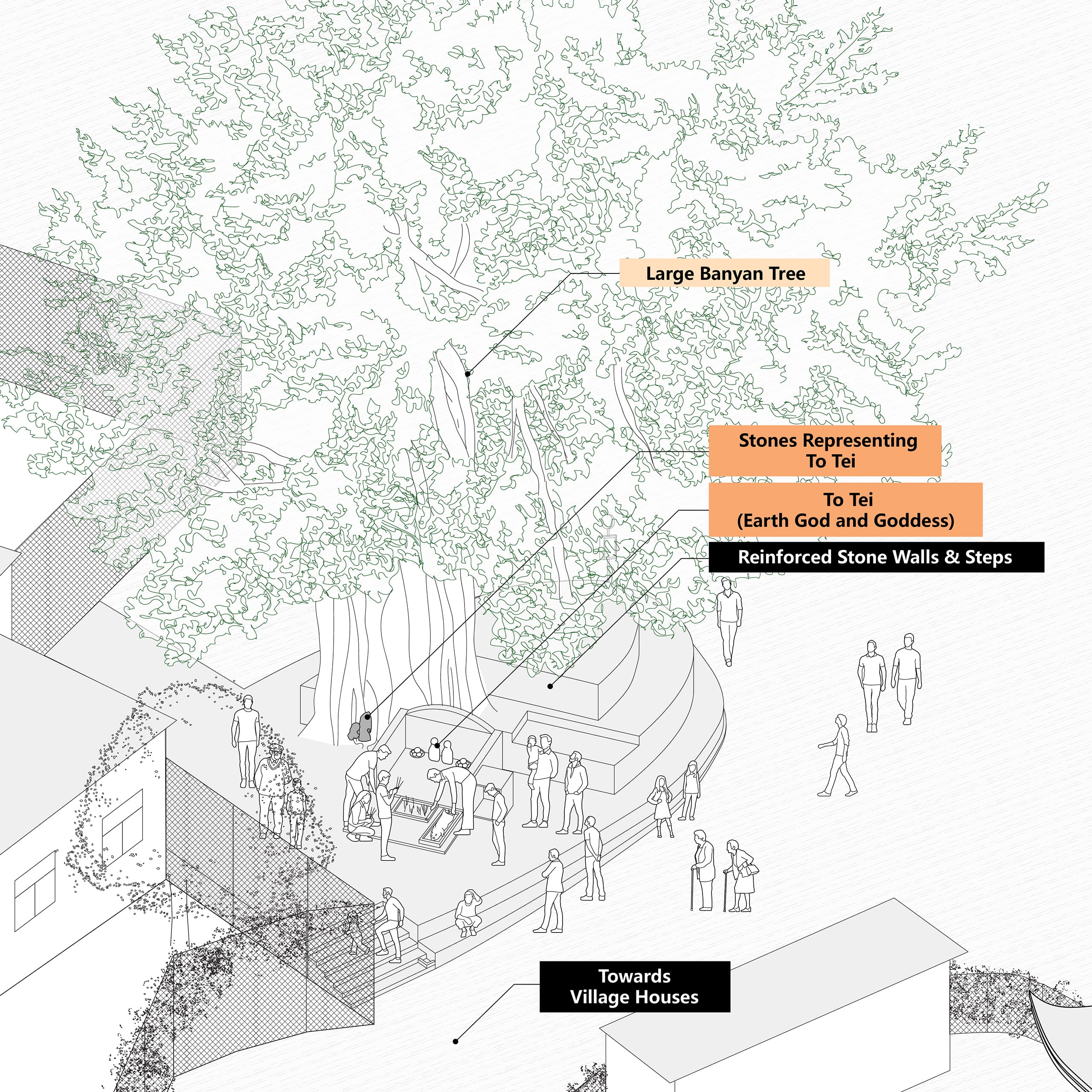
Ha Wan Tsuen is not big, and the trees there are not tall. But one banyan tree stands out—as it looks particularly majestic. This banyan tree, lauded by the village representative as the “totem of the village”, is home to the To Tei (Earth God and Goddess). The two deities are being worshipped underneath the tree.
To protect this precious banyan tree and the shrine of To Tei, villagers and worshippers have reinforced the shrine’s structure, with stone walls and steps built under the tree hoping to stabilise the roots. Under the care of villagers for years, the banyan tree thrives and remains healthy.
Gallery


3D Model
Heritage
An elder of Ha Wan Tsuen once discovered an unusually smooth and large stone at the bottom of the water while working in the fishpond.
The villagers believed this giant stone was a gift from the gods, so they placed it under the banyan tree as an offering. The stone was also considered a symbol of To Tei.
Later, the villagers added a smaller stone that represents the Earth Goddess to keep the Earth God company. From then on, this pair of deities has been the guardian of this small village. Villagers believe that praying here for fertility is especially efficacious. In recent years, villagers replaced the severely weathered stone with statues to honour the Earth God and Goddess.
Every year during the Earth God Festival, the entire village gathers under the banyan tree for a simple yet grand celebration to express their gratitude. This long-lived tradition is a significant symbol of Ha Wan Tsuen's culture.
Villagers & the Tree
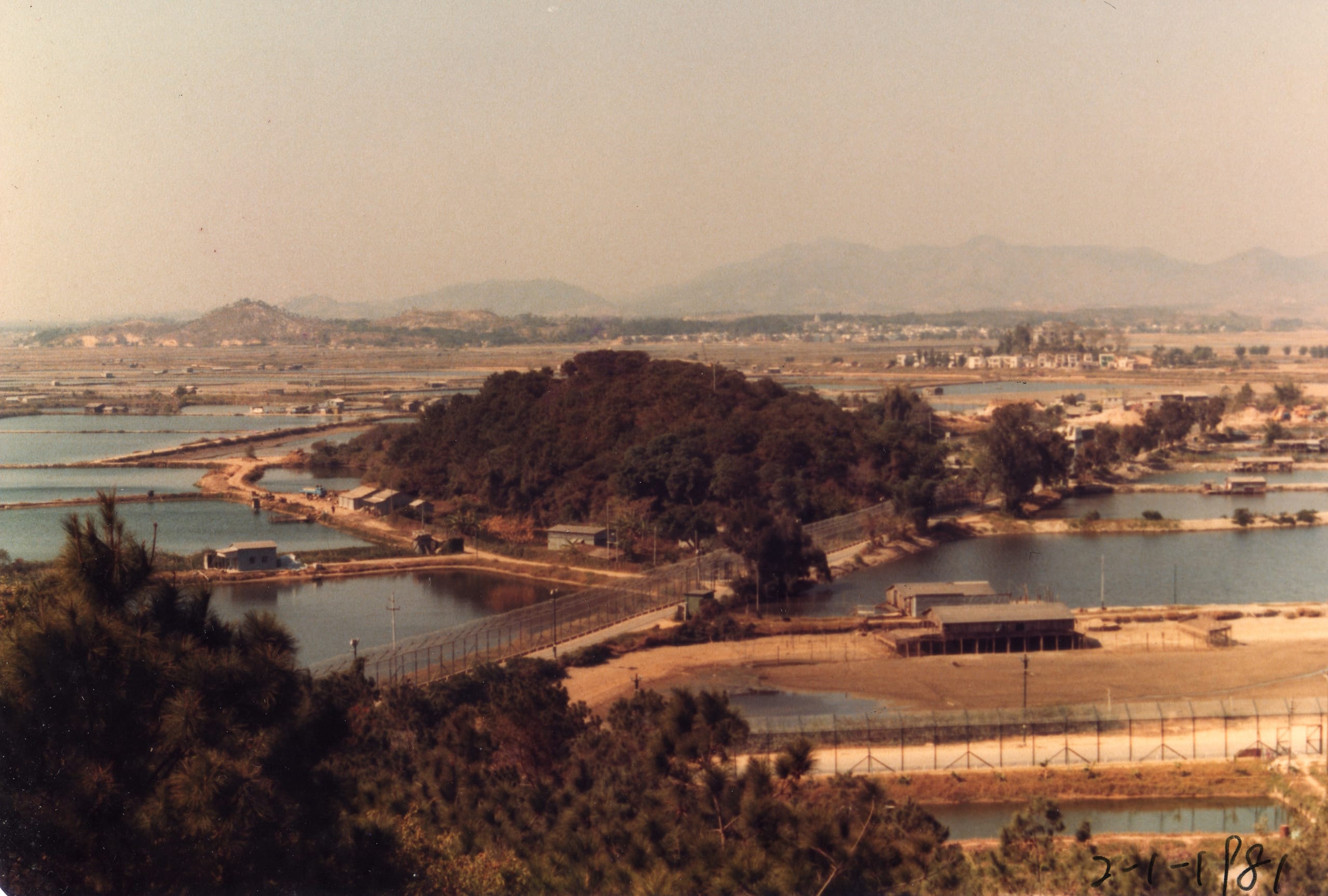
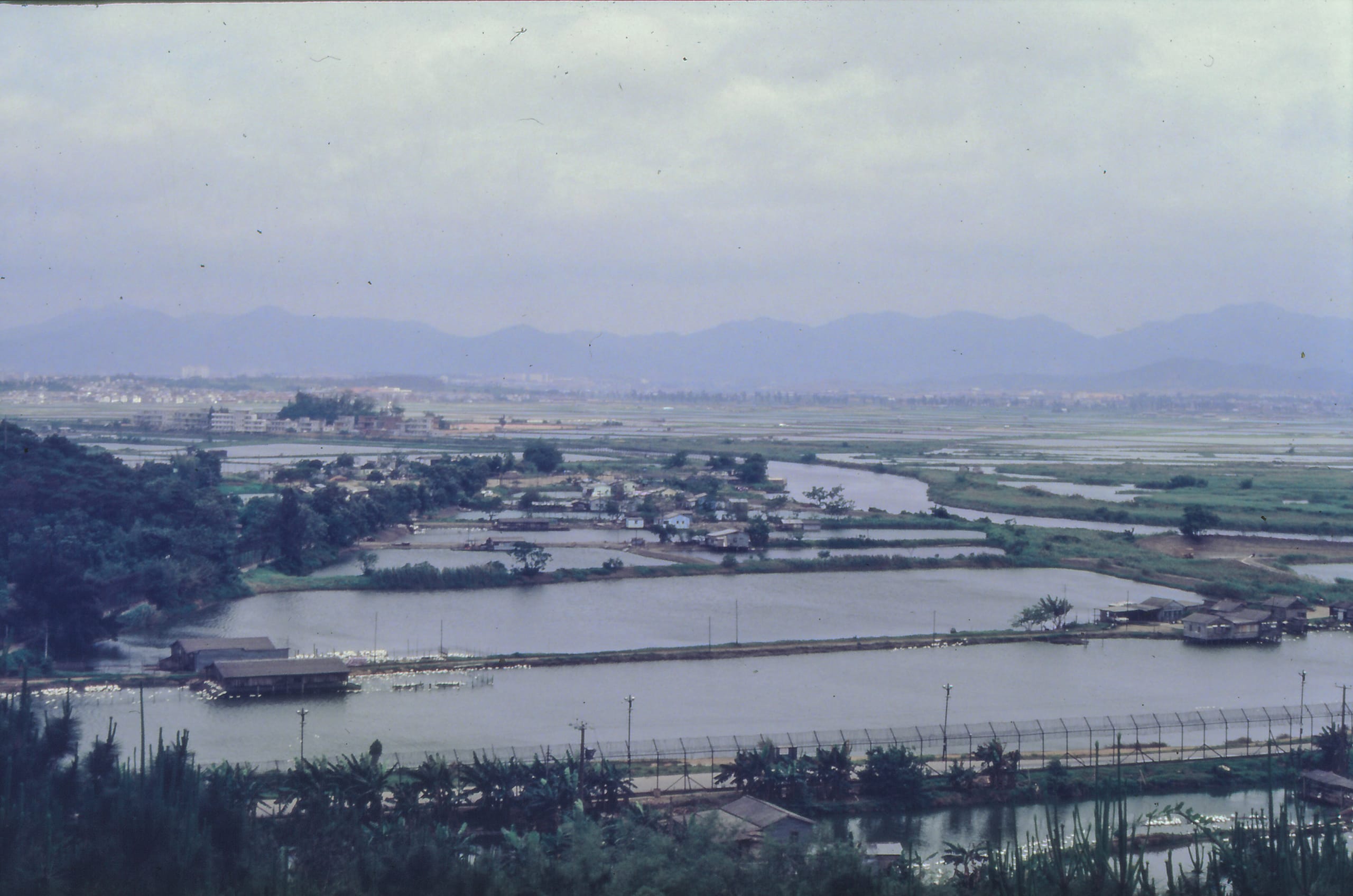
Historical Photos (Provided by Villagers)
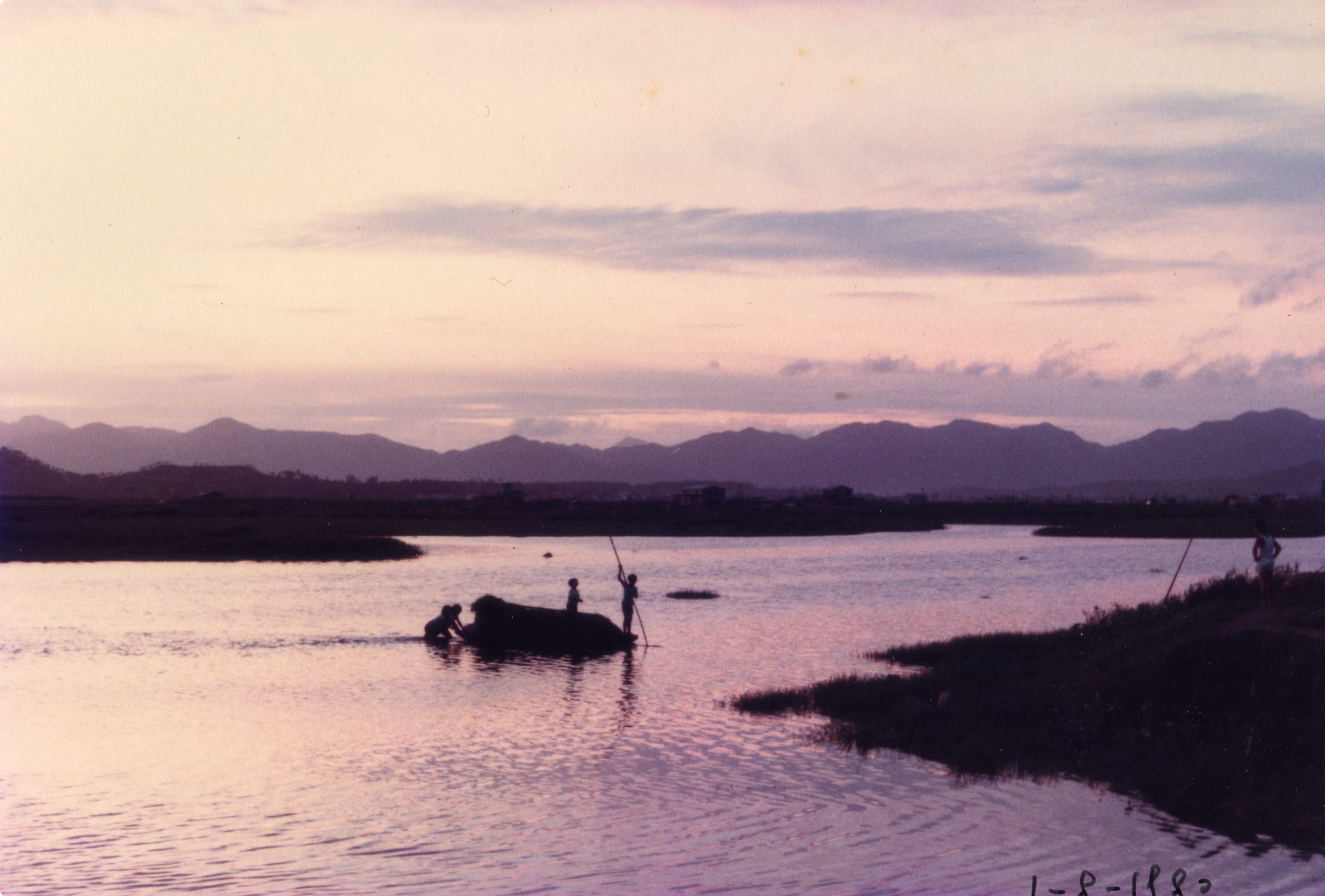
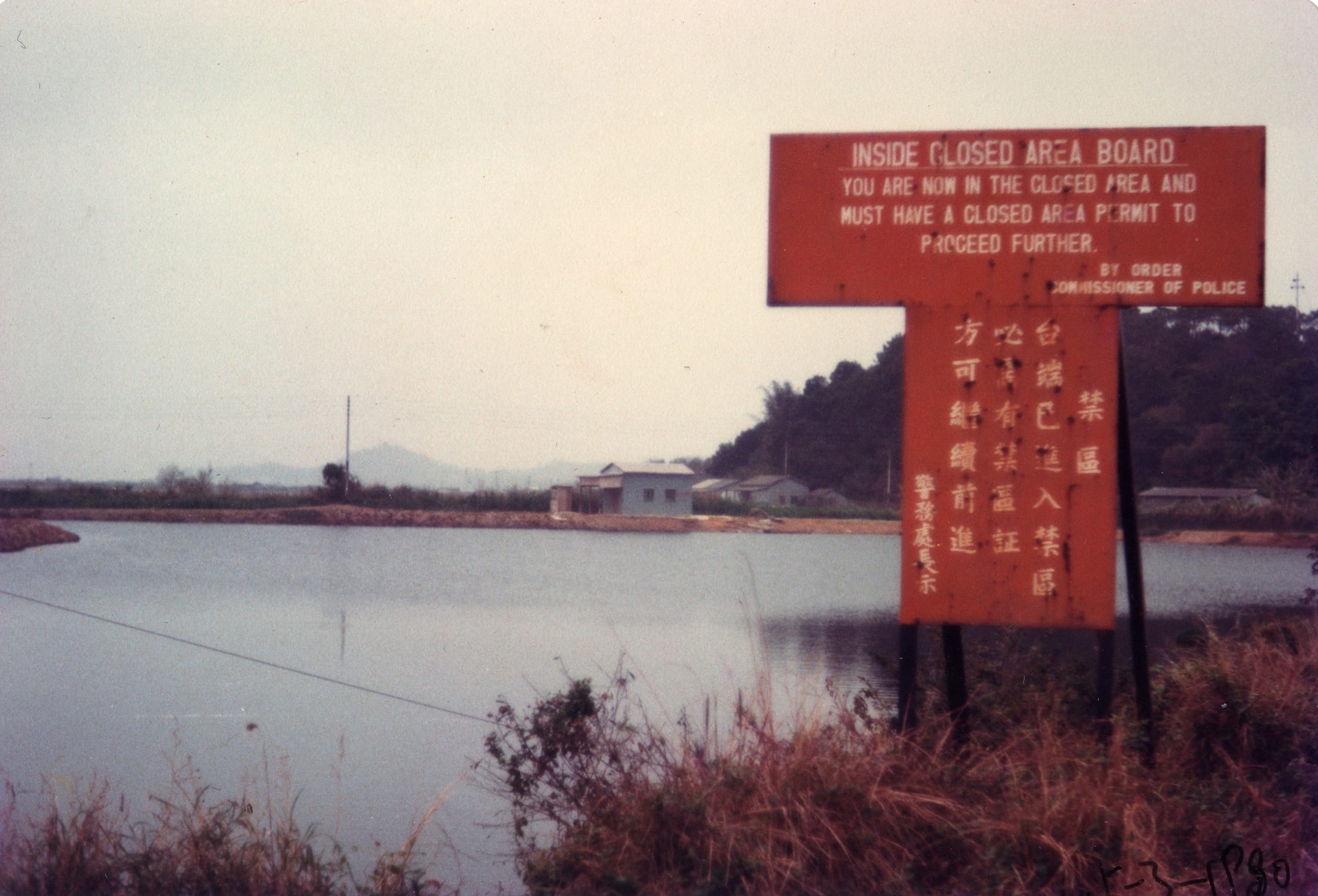
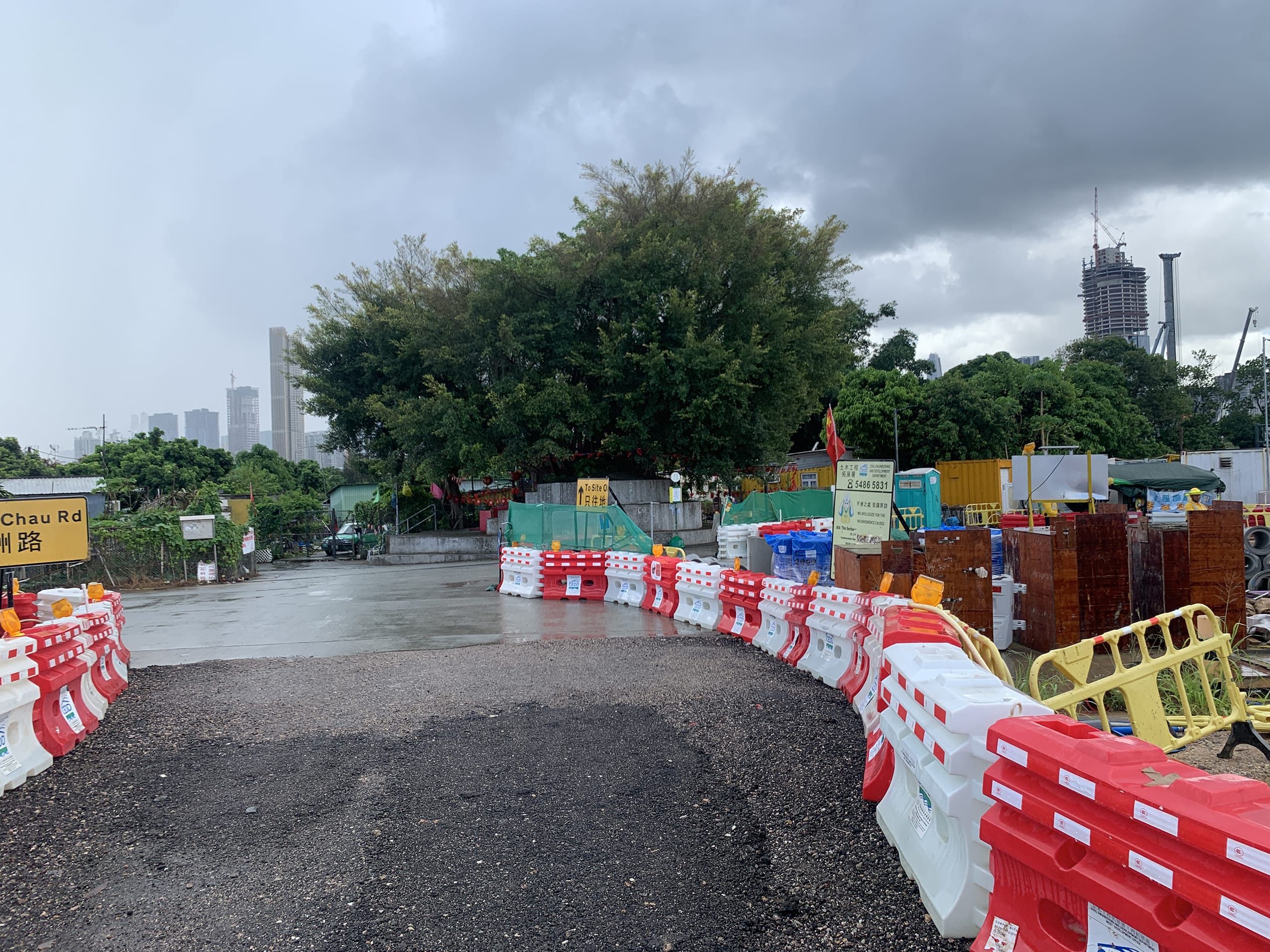
As almost three-quarters of the land in Ha Wan Tsuen is included in the development area of the San Tin Technopole of Northern Metropolis, the Lands Department has informed the villagers of land acquisition. The demolition involves more than 60 households. However, as of now, the authorities and villagers have yet to reach a consensus on resettlement arrangements. The banyan tree, similarly, faces an uncertain future.
Villagers feel that they can only accept and witness the demolition work which is already in progress. Although Ha Wan Tsuen is going to become history, villagers pray that the “three gems” of the village—the village office, the banyan tree and the Earth God and Goddess, and the archway—can be preserved.