

Kau Sai Fishermen Village
Kau Sai Chau is the largest island in Sai Kung and falls within the geological scope of the Hong Kong UNESCO Global Geopark. A public golf course is located at the northern end of the island, while at the southern end lies a small village—Kau Sai Fishermen Village.
Kau Sai Village used to be a Hakka settlement. But since the village lied in the Port Shelter Firing Range, the Hakka villagers were relocated to the new Kau Sai San Tsuen in Pak Sha Wan, Sai Kung Peninsula. Later on the government moved the firing range to the area around Basalt Island, so fishermen who had been fishing and mooring their boats in the waters near the southern part of Kau Sai Chau moved ashore, forming the current Kau Sai Fishermen Village.
It is said that the Hung Shing Temple on the island (now a declared monument) was built with funds raised by villagers who once made their living from fishing to pray for divine protection. The birthday of Hung Shing is a major event on the island, with villagers joining hands to organise a series of celebratory activities.
Kau Sai Fishermen Village
Kau Sai Chau is the largest island in Sai Kung and falls within the geological scope of the Hong Kong UNESCO Global Geopark. A public golf course is located at the northern end of the island, while at the southern end lies a small village—Kau Sai Fishermen Village.
Kau Sai Village used to be a Hakka settlement. But since the village lied in the Port Shelter Firing Range, the Hakka villagers were relocated to the new Kau Sai San Tsuen in Pak Sha Wan, Sai Kung Peninsula. Later on the government moved the firing range to the area around Basalt Island, so fishermen who had been fishing and mooring their boats in the waters near the southern part of Kau Sai Chau moved ashore, forming the current Kau Sai Fishermen Village.
It is said that the Hung Shing Temple on the island (now a declared monument) was built with funds raised by villagers who once made their living from fishing to pray for divine protection. The birthday of Hung Shing is a major event on the island, with villagers joining hands to organise a series of celebratory activities.
Village
Satellite Photos
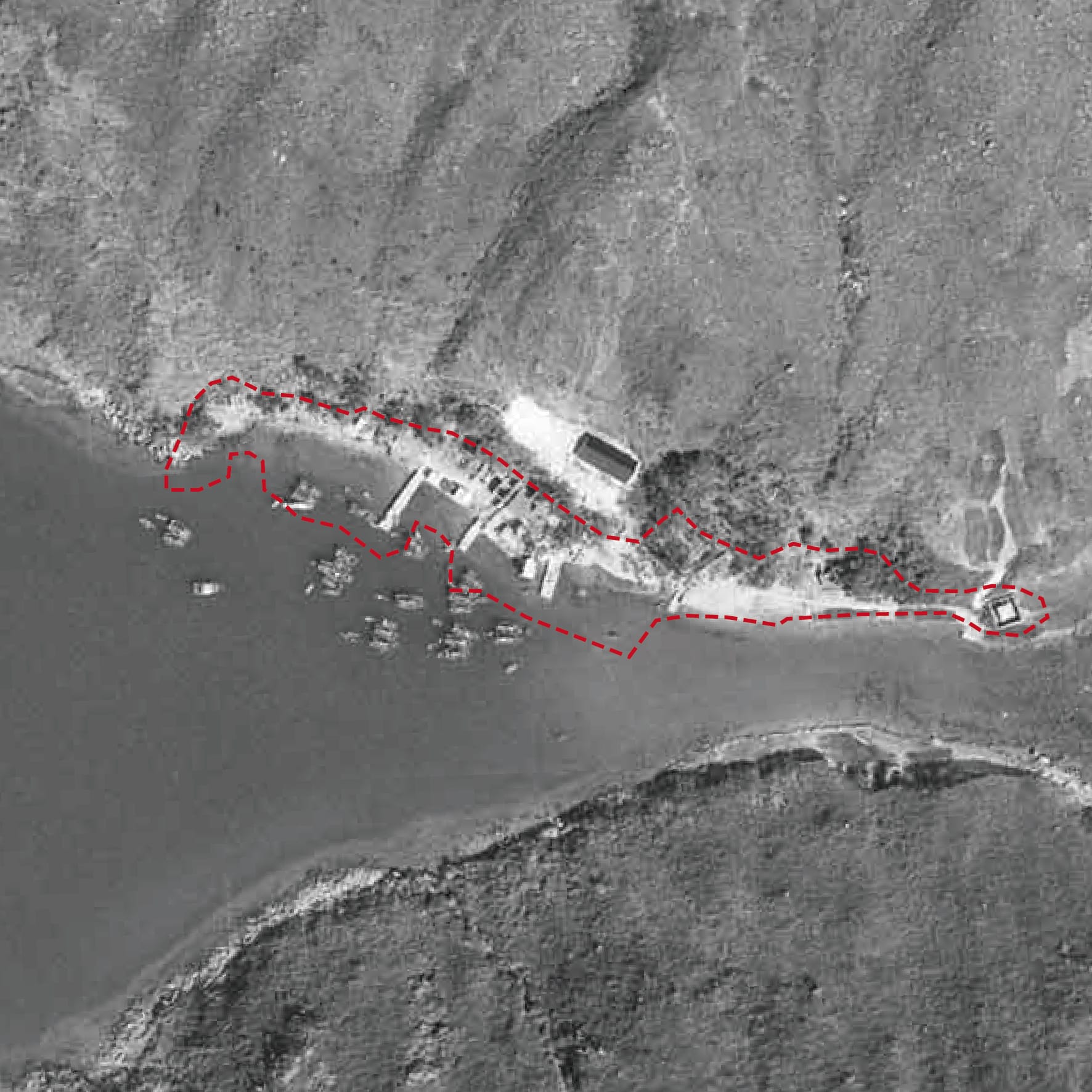
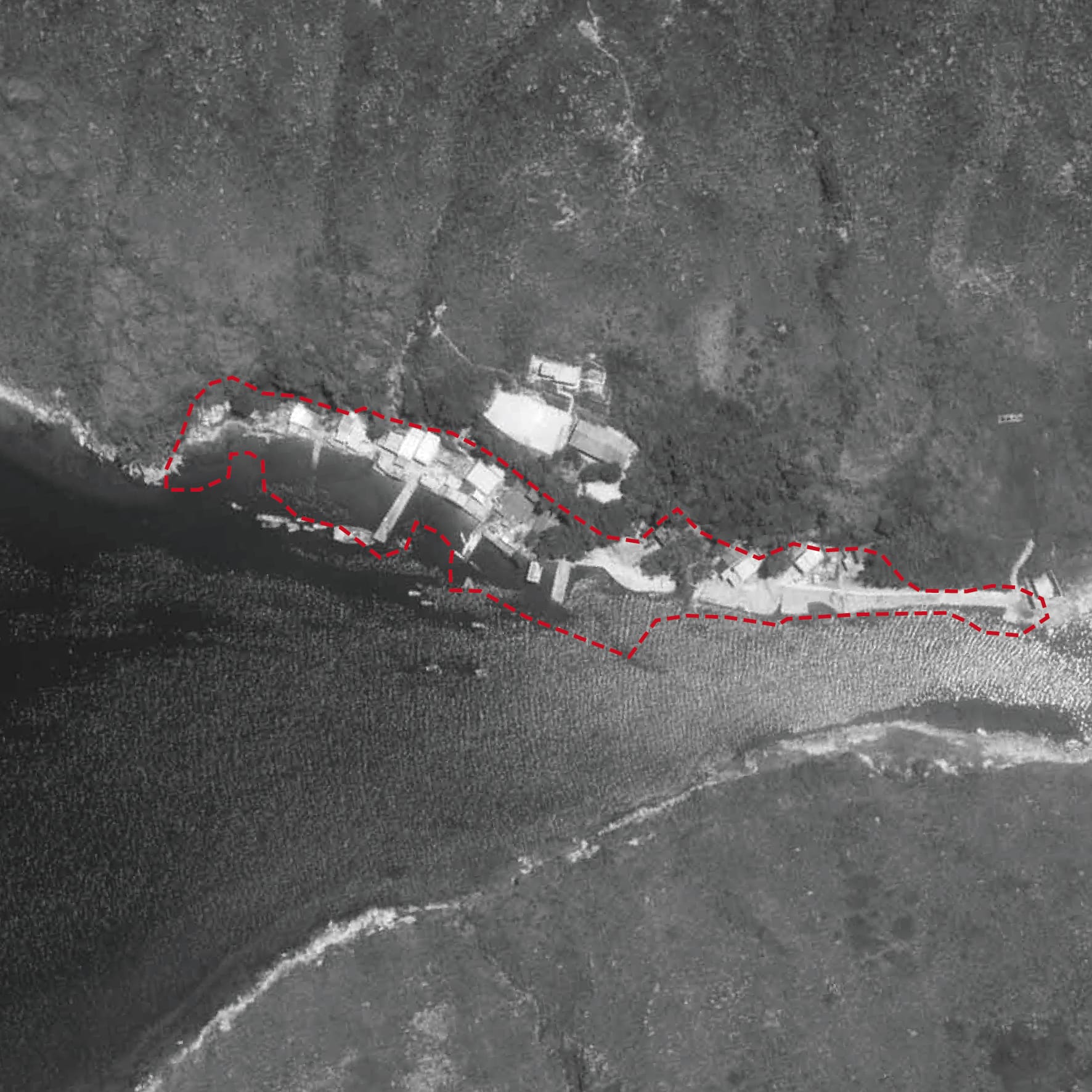
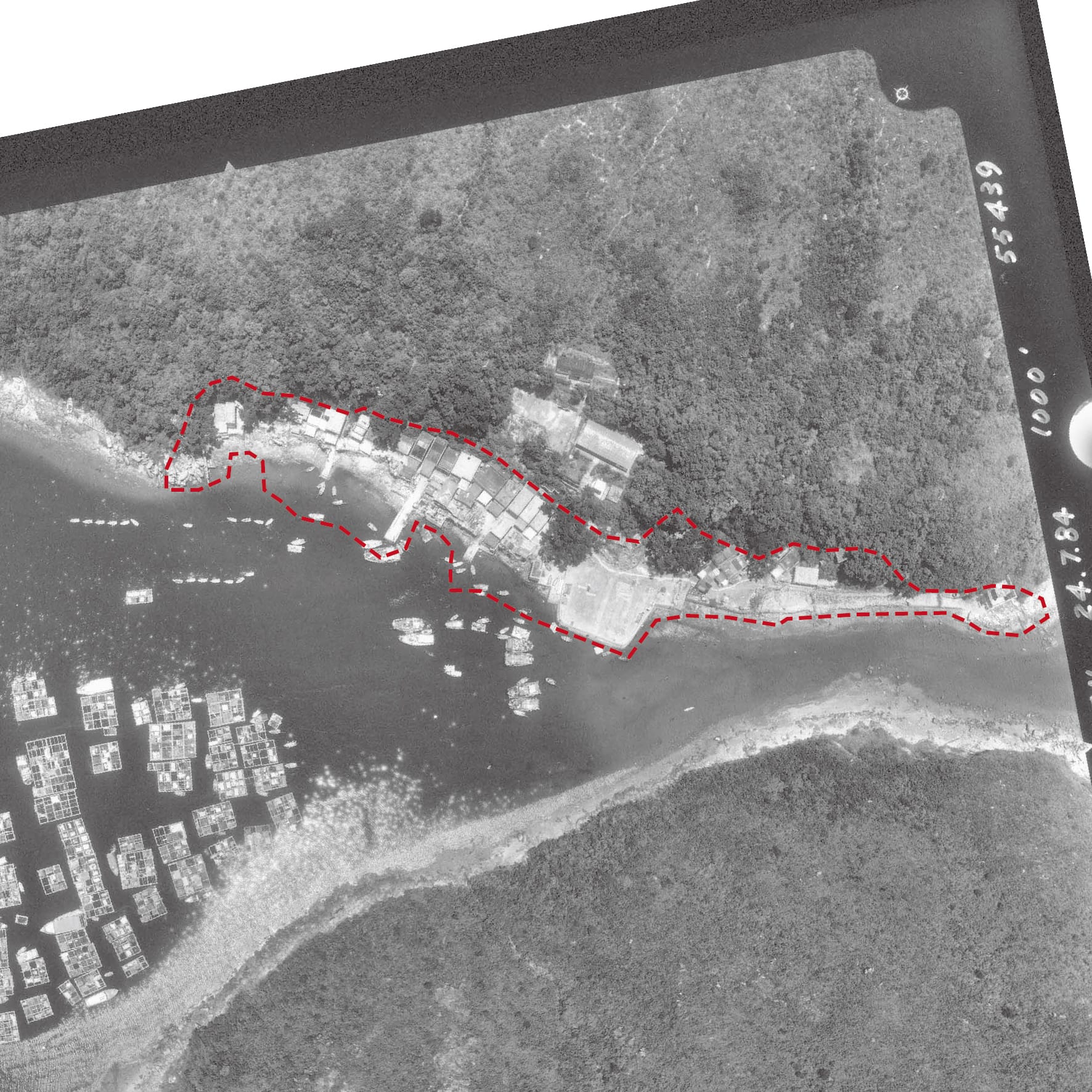
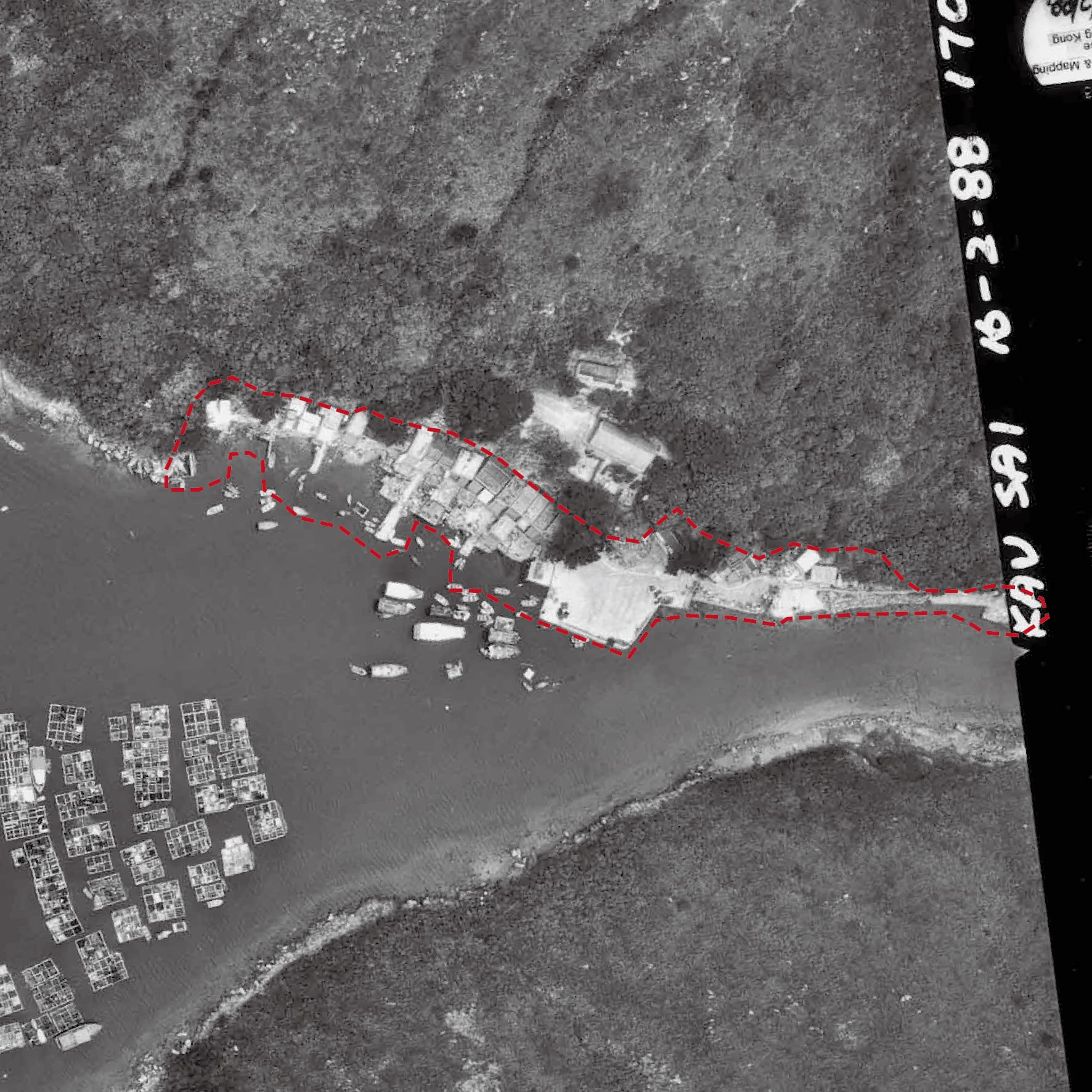
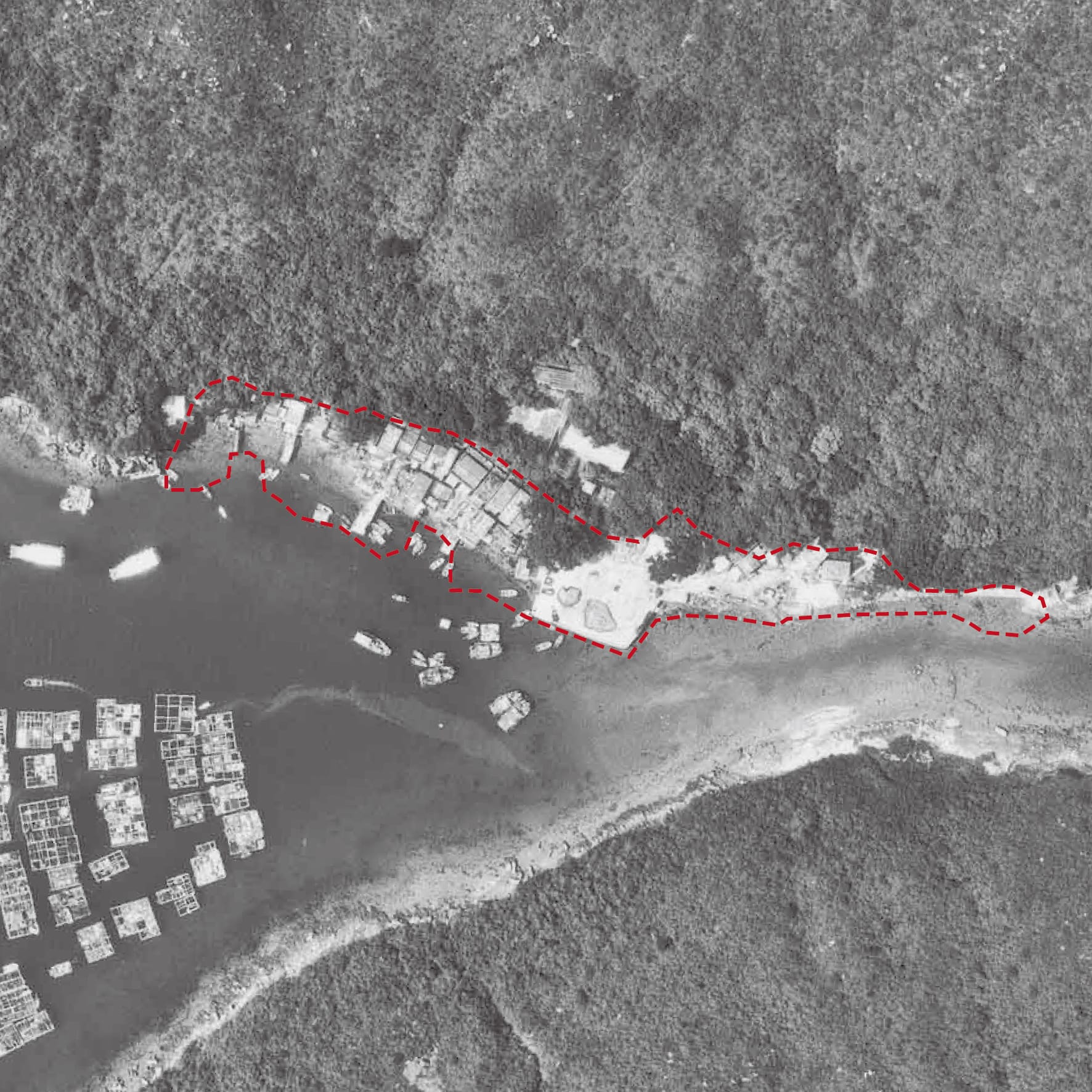
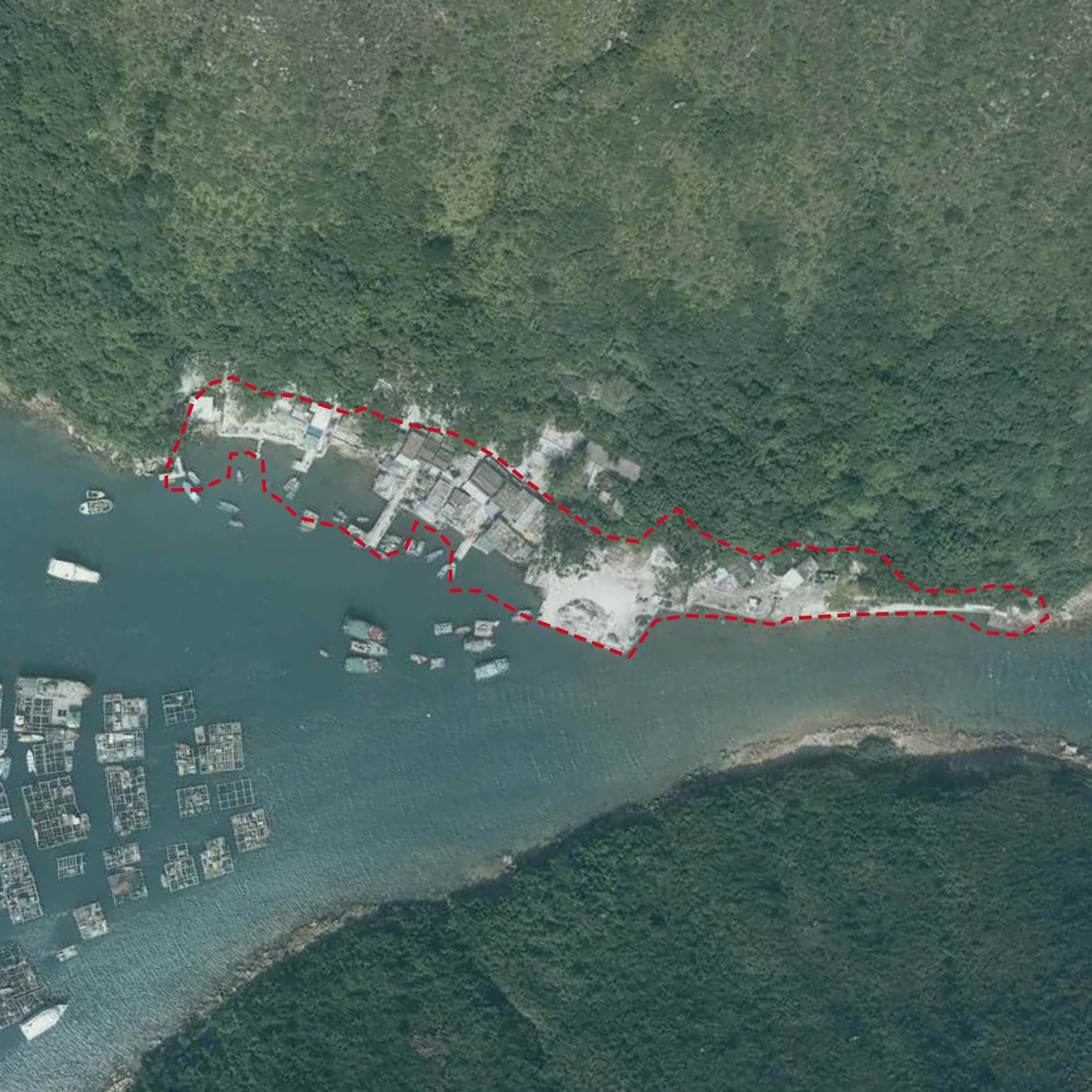
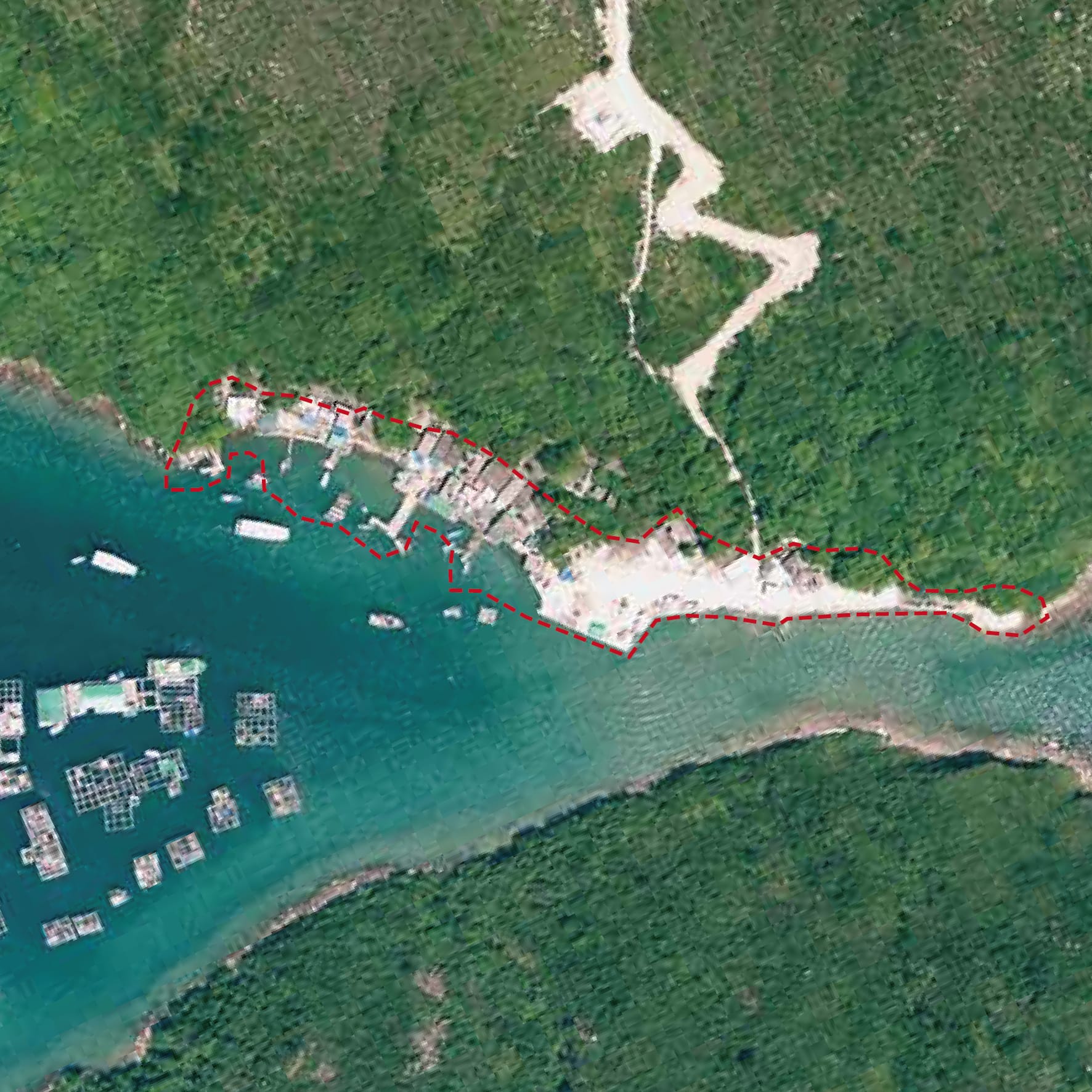
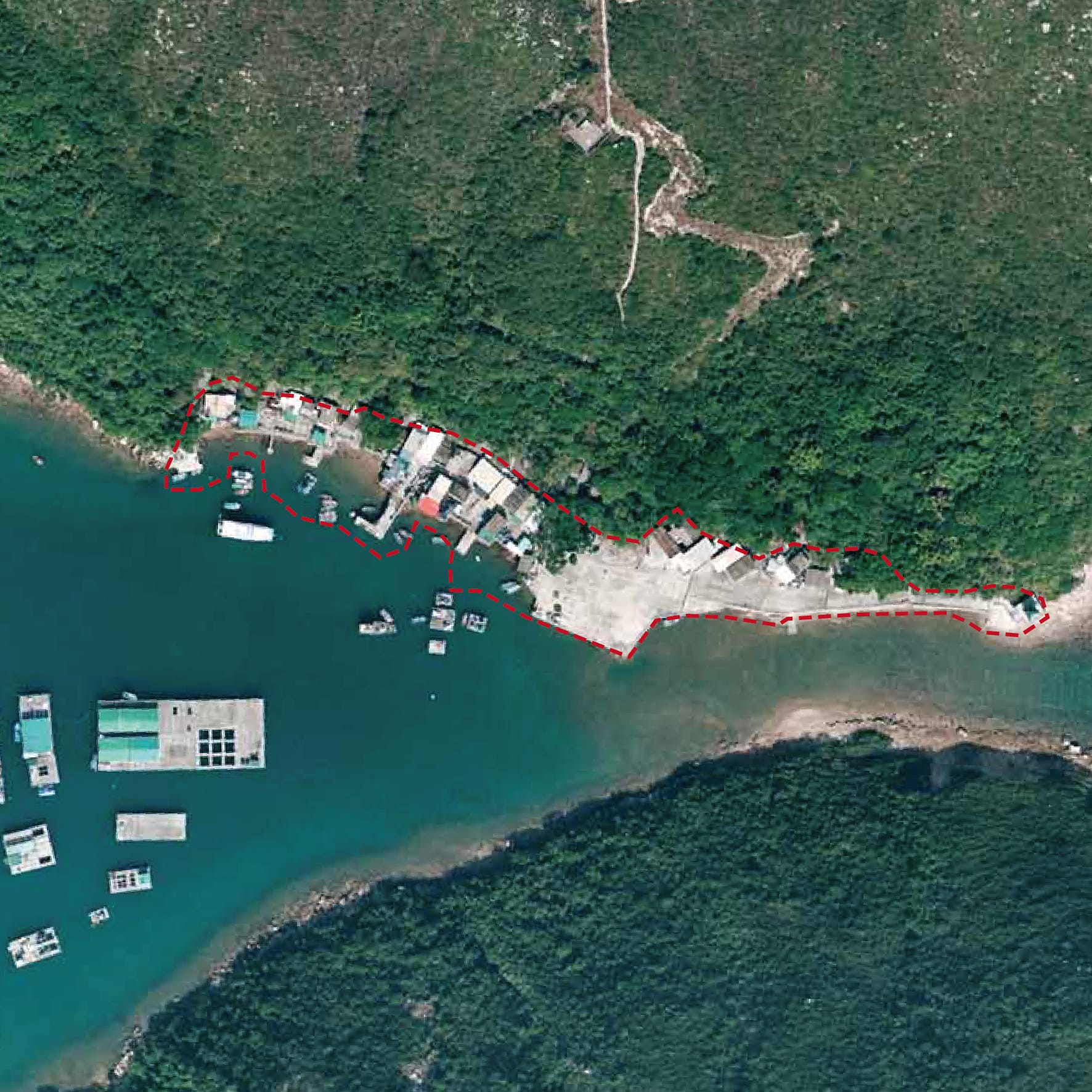
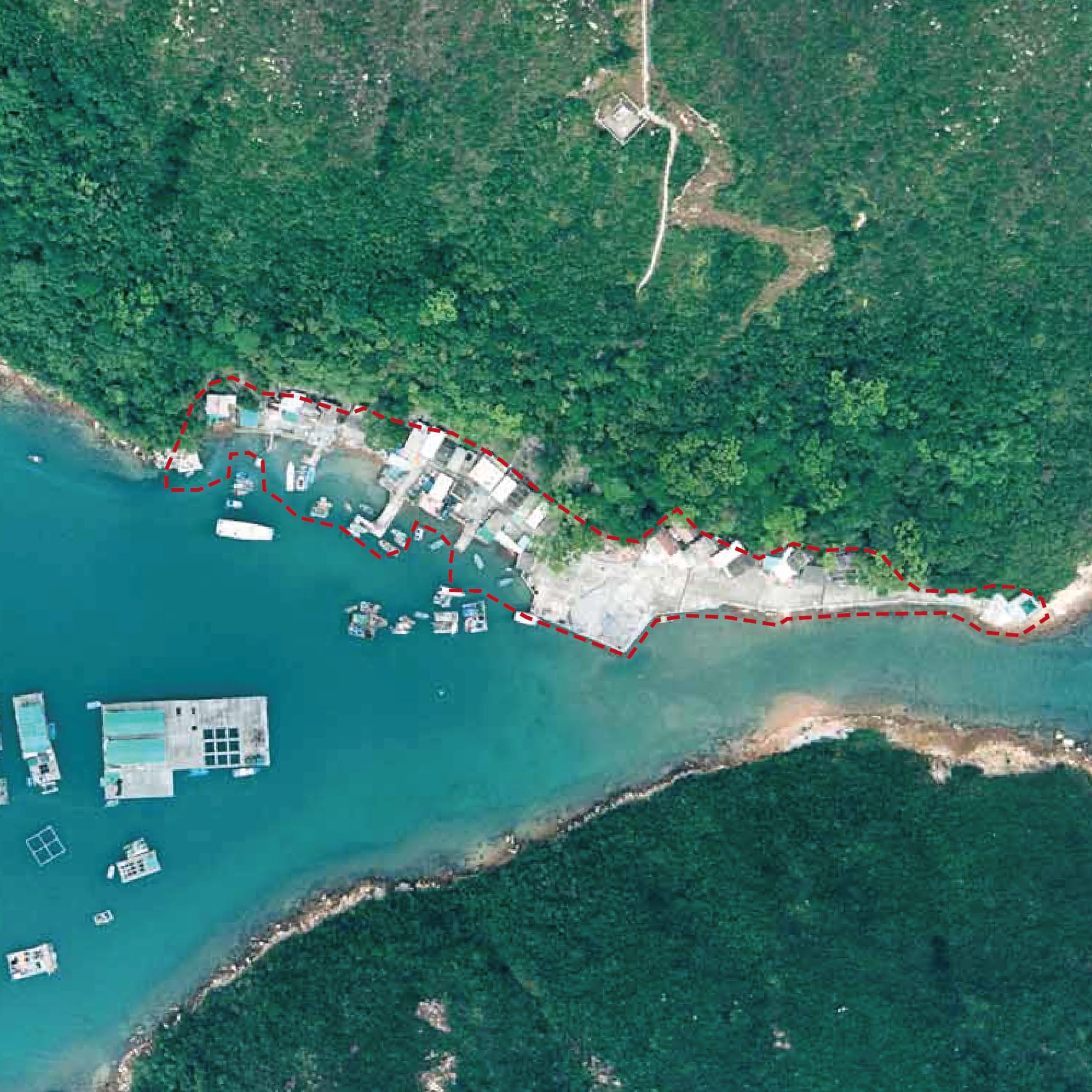
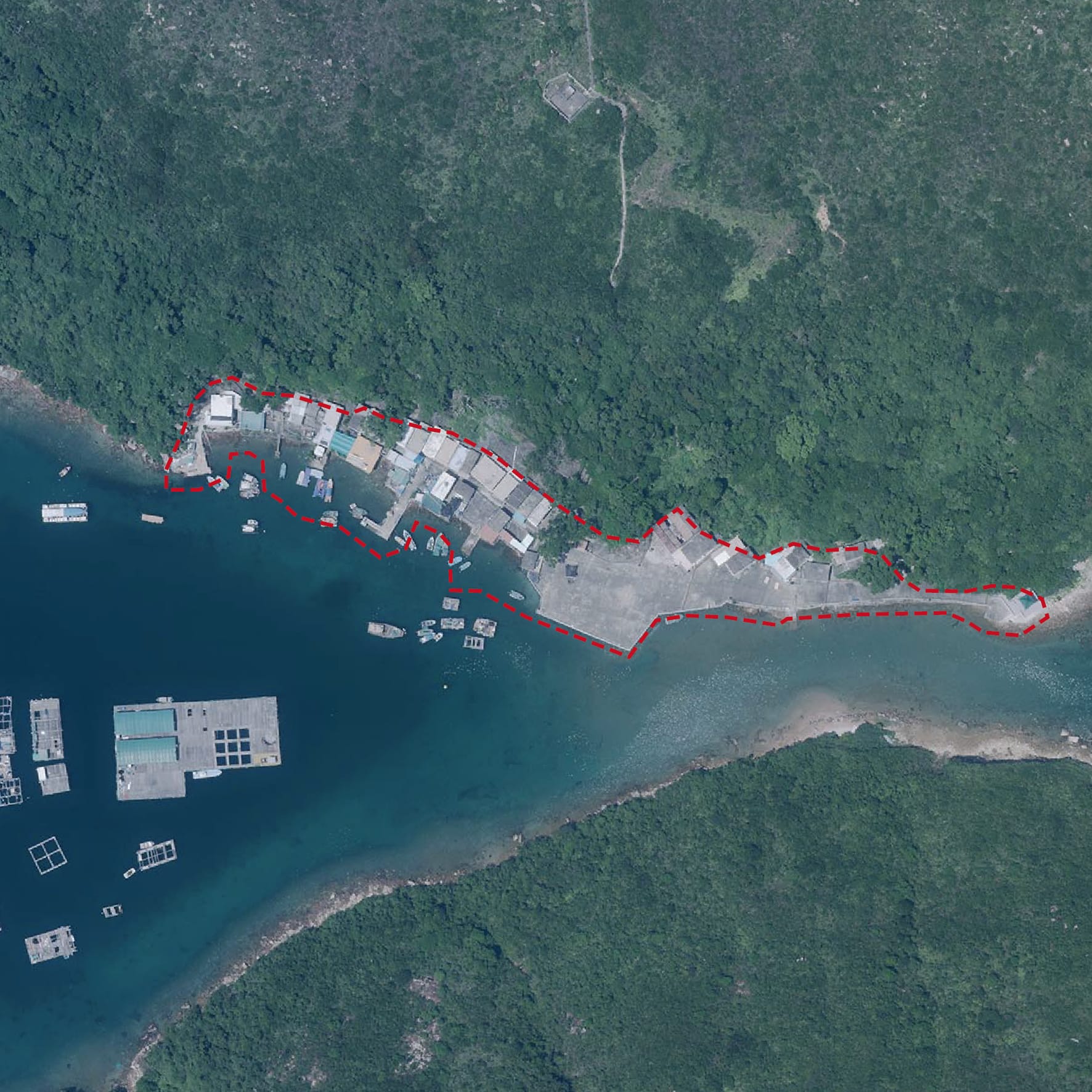
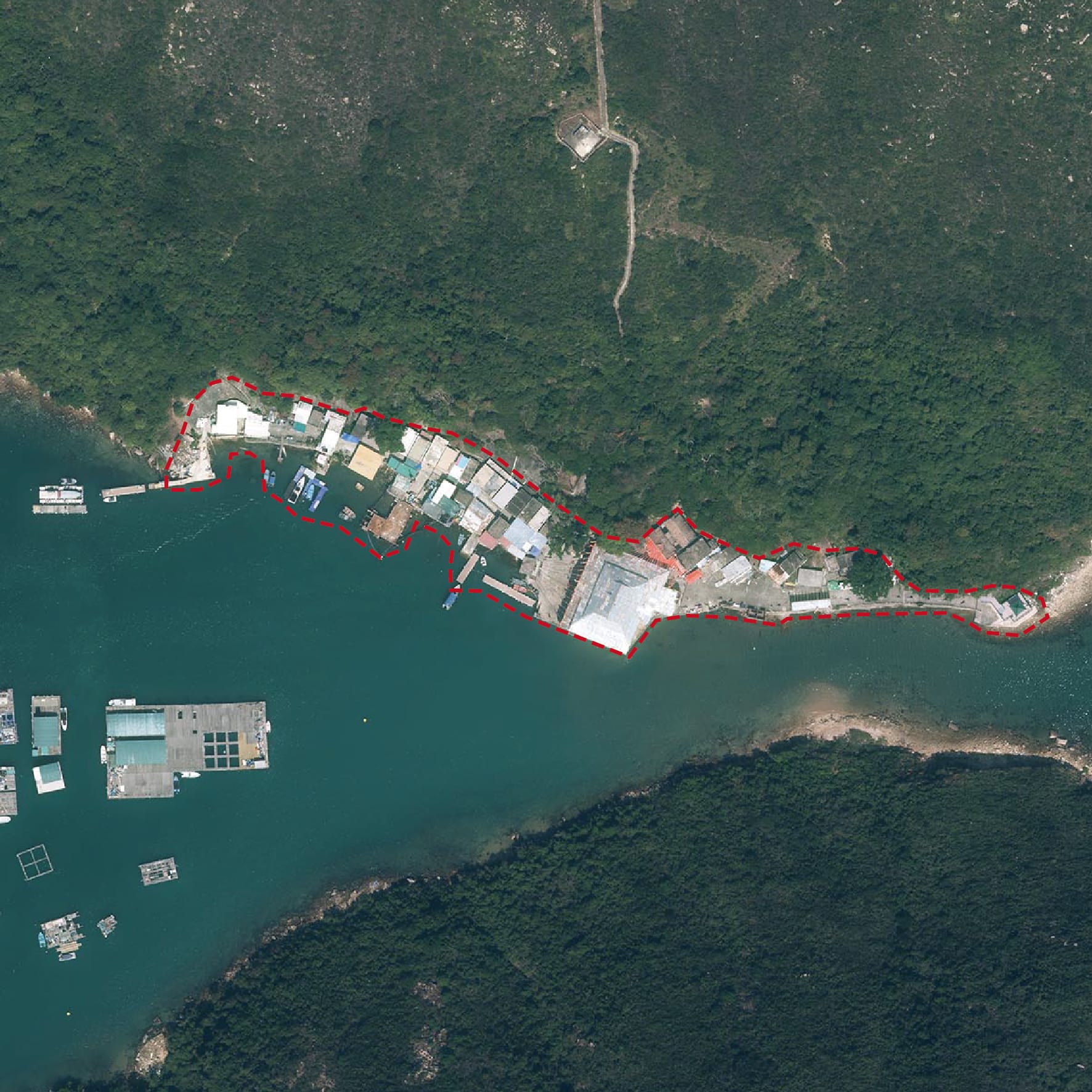
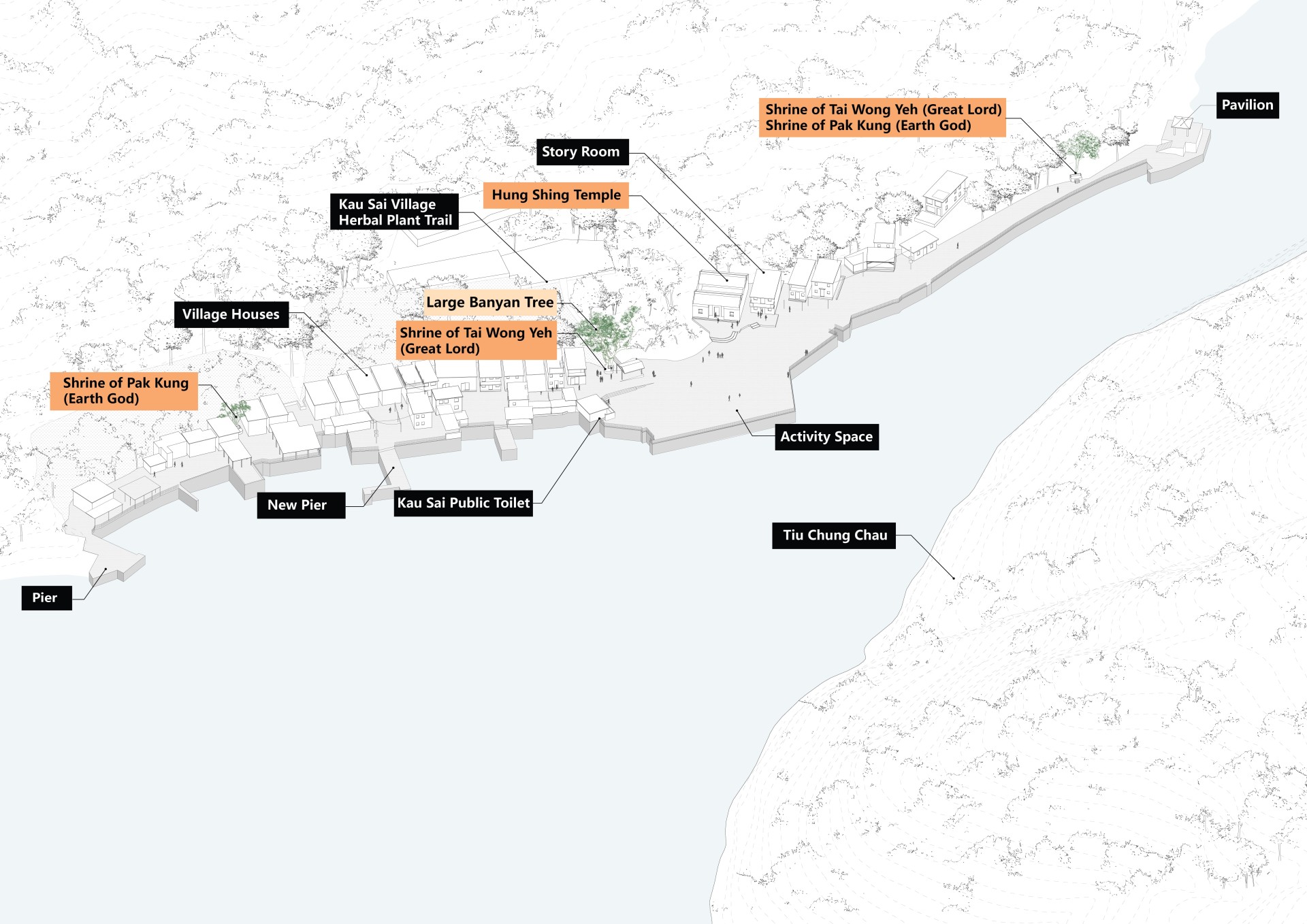
Village Spatial Setting
Tree
There was a large Ficus microcarpa (banyan tree) next to the Hung Shing Temple in the village. Unfortunately, it has been withered for some time due to long-term fungal infection.
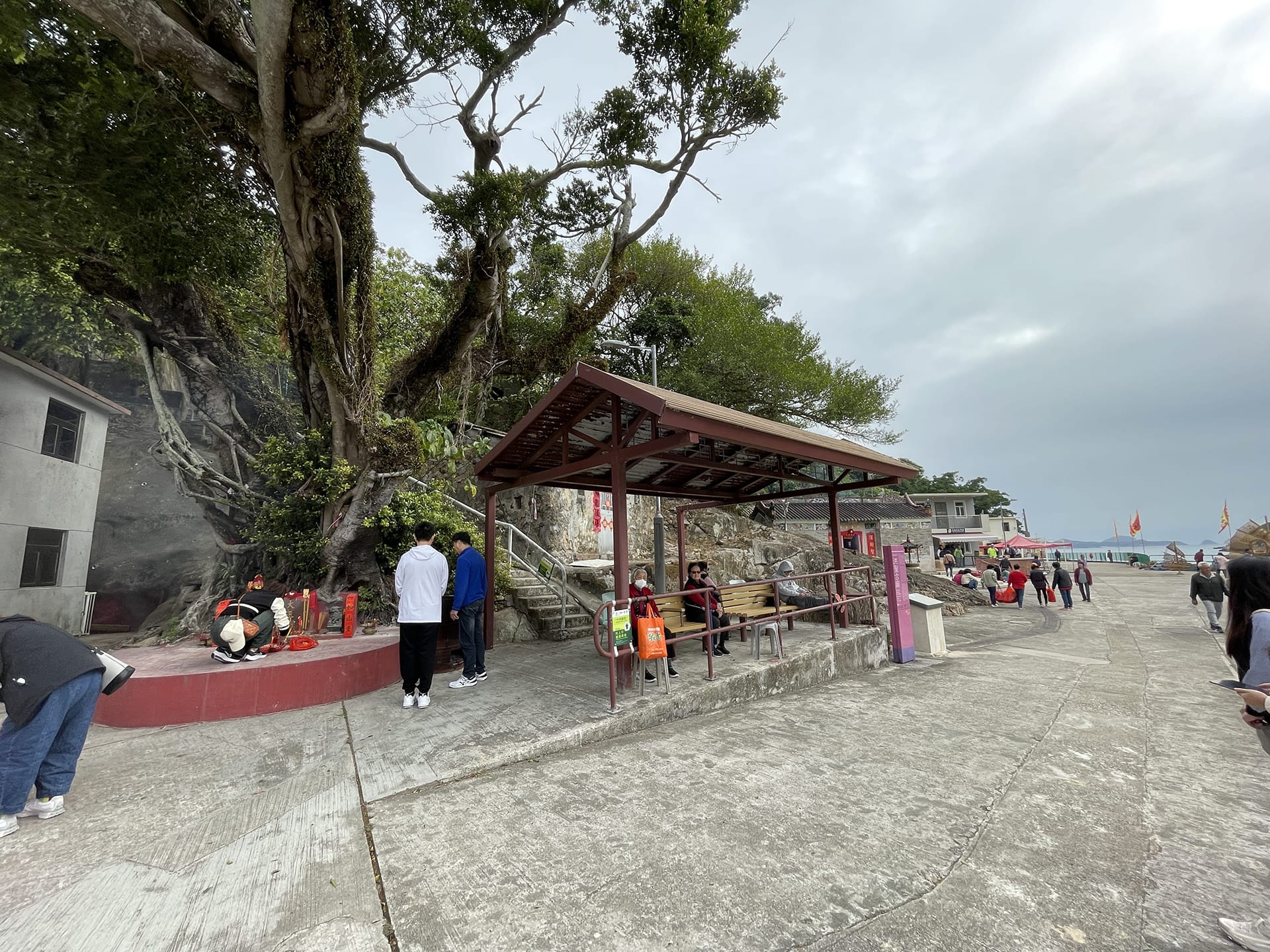
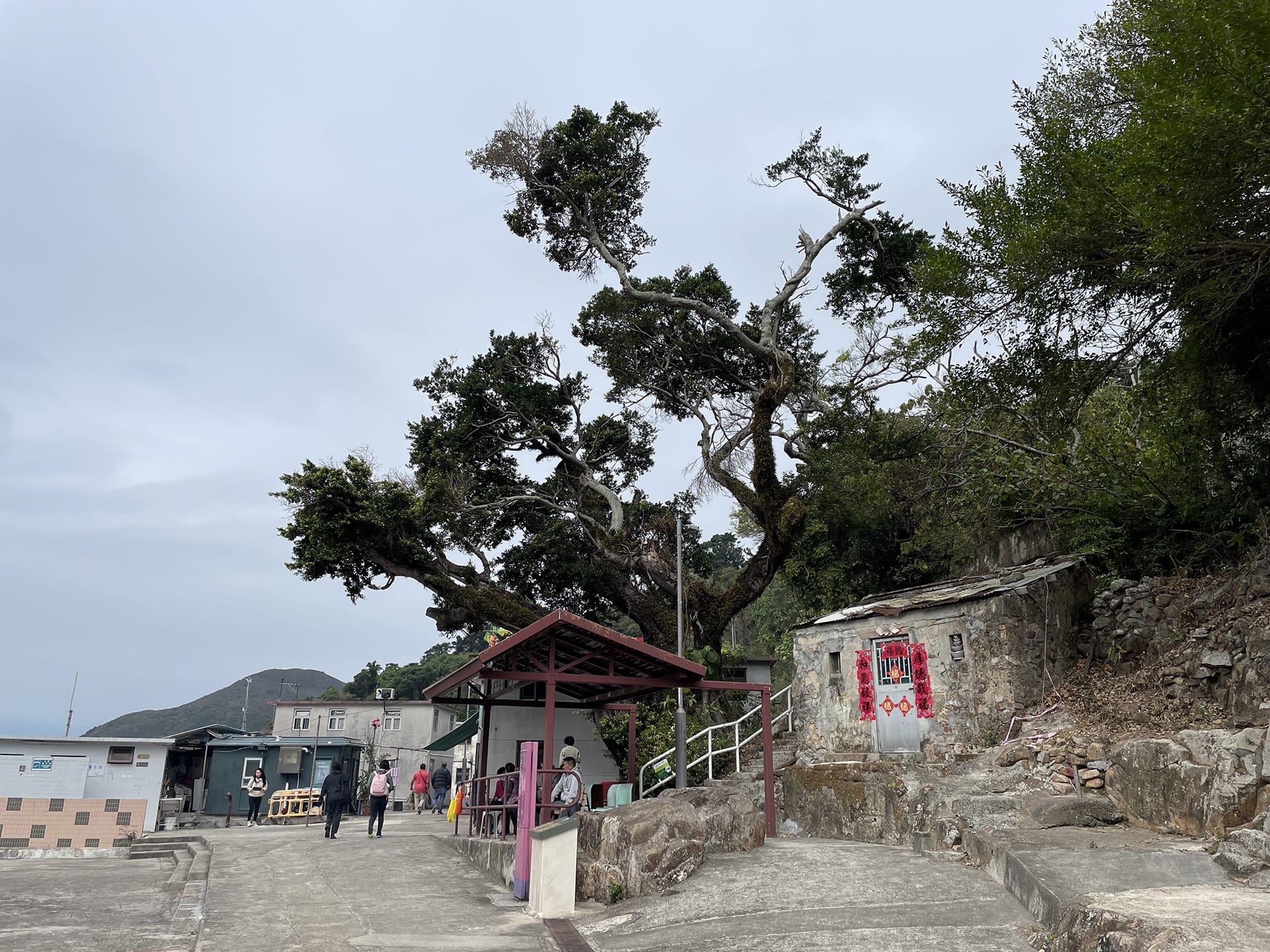
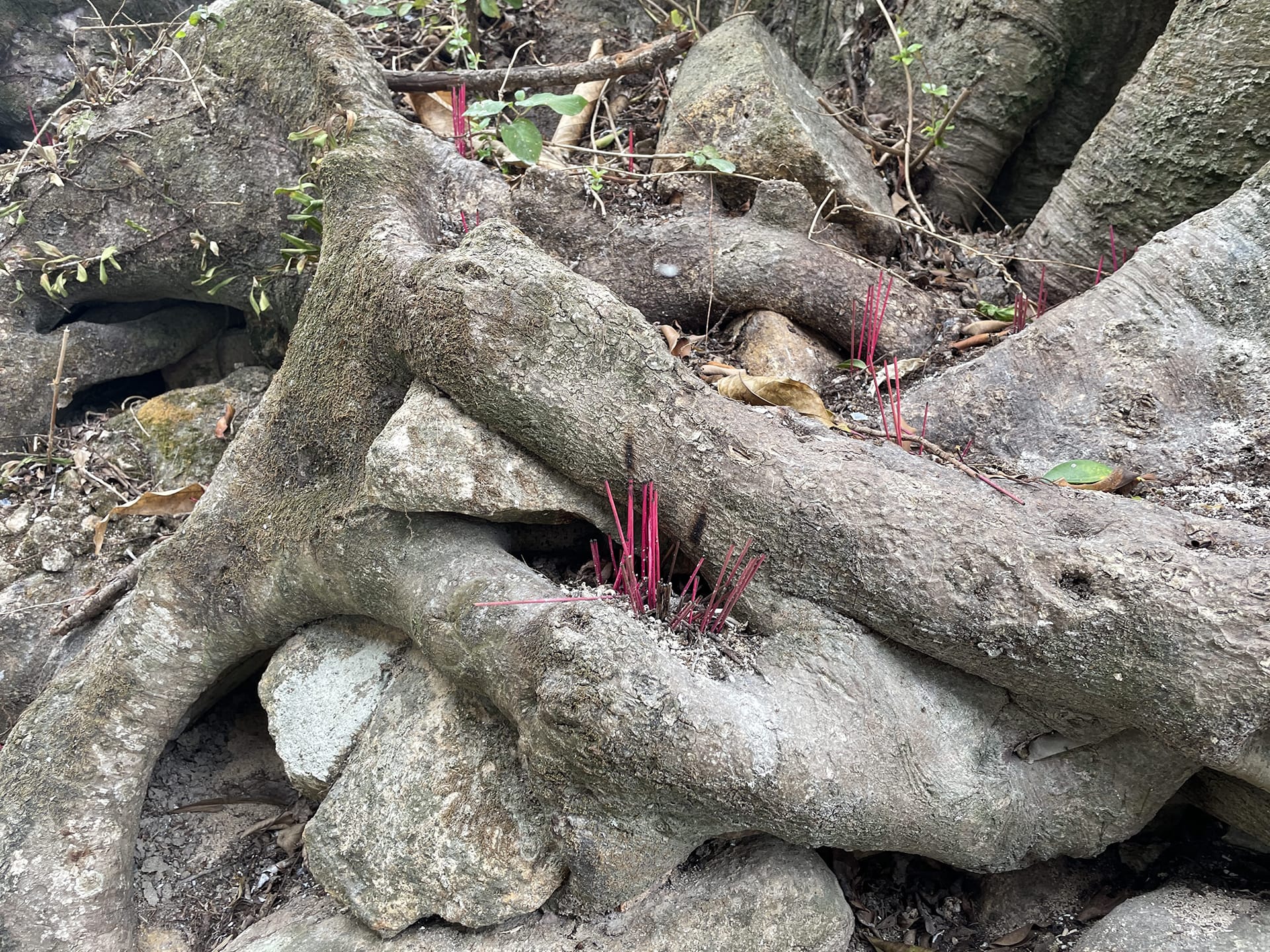
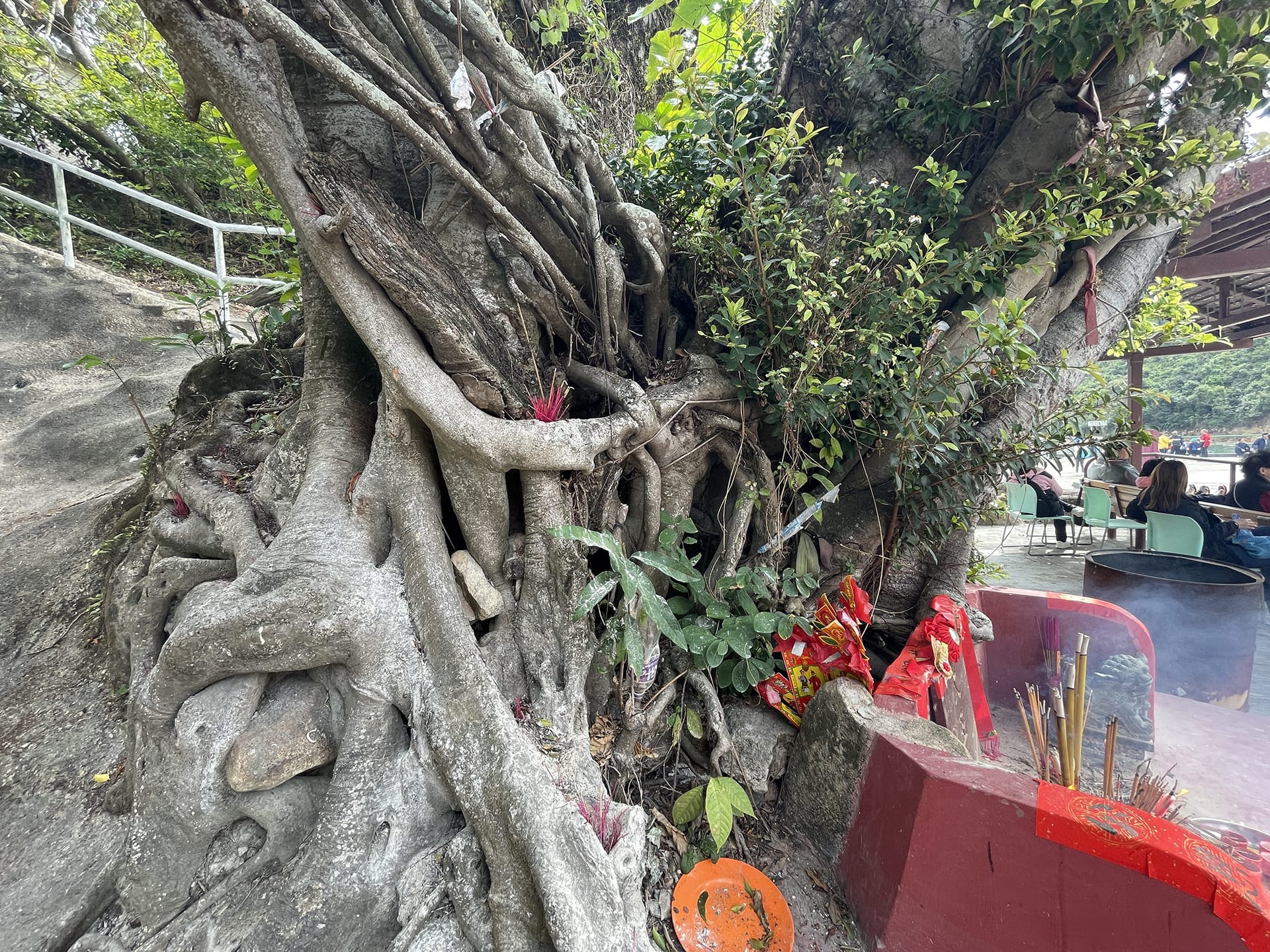
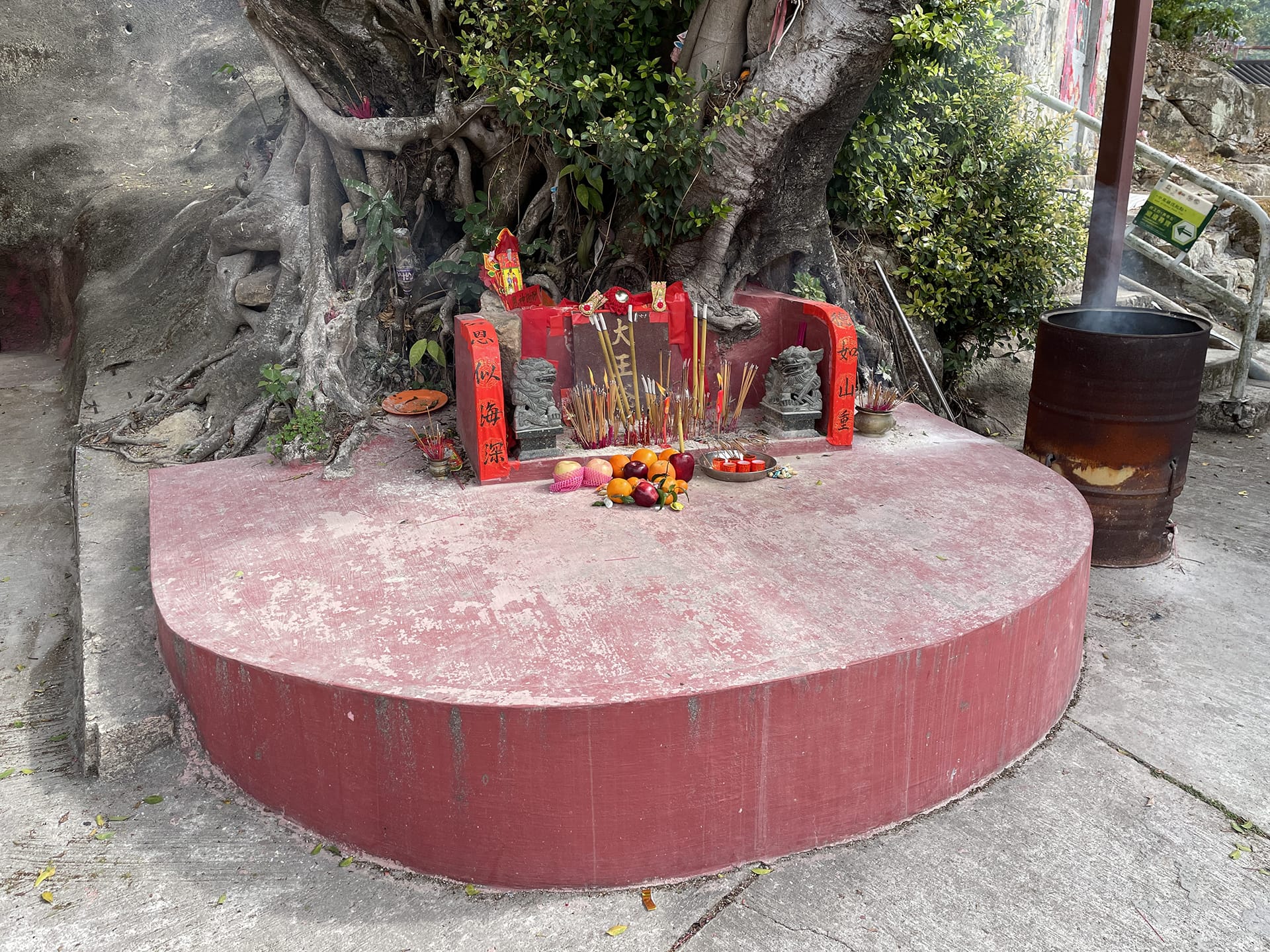
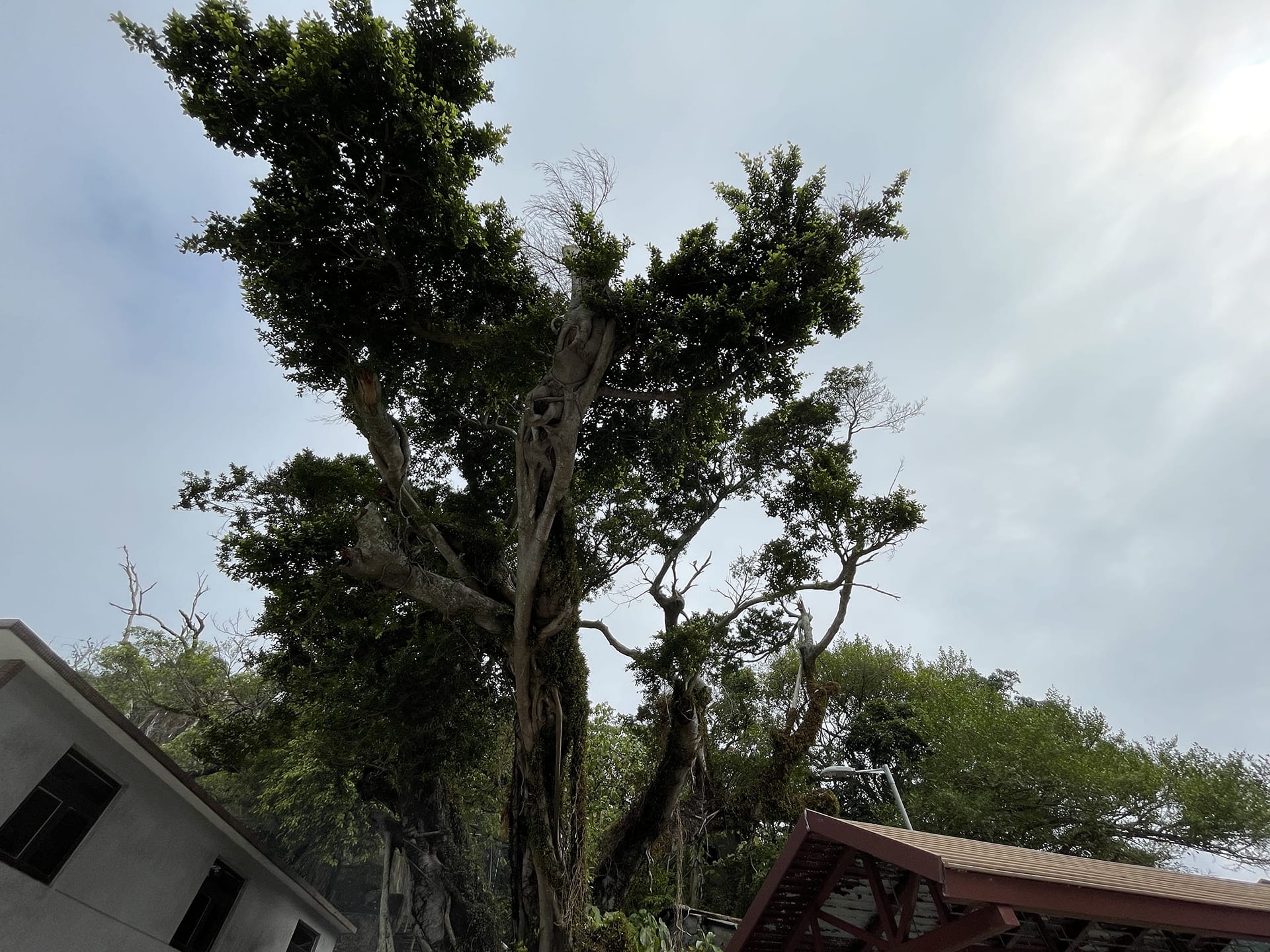
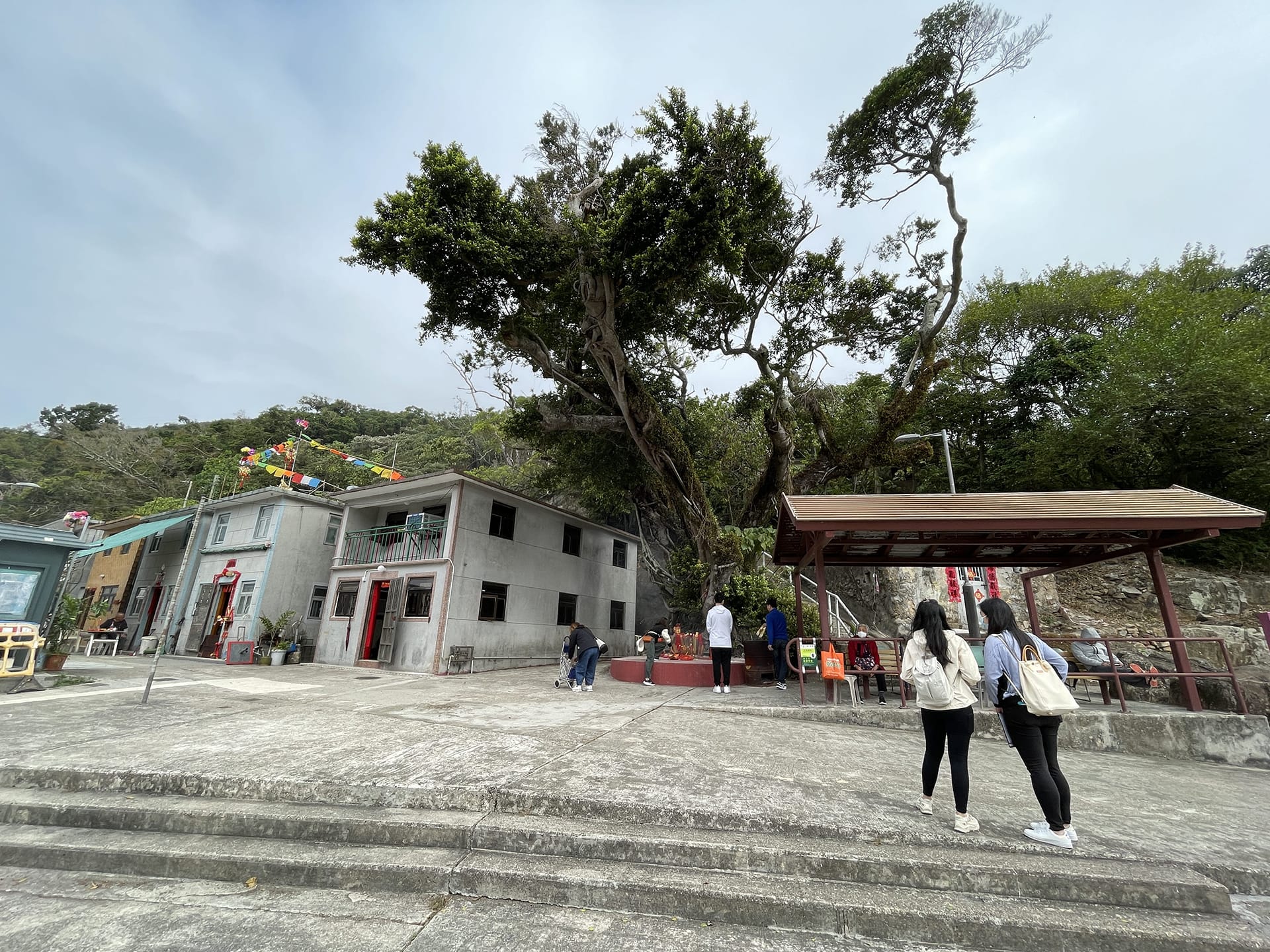
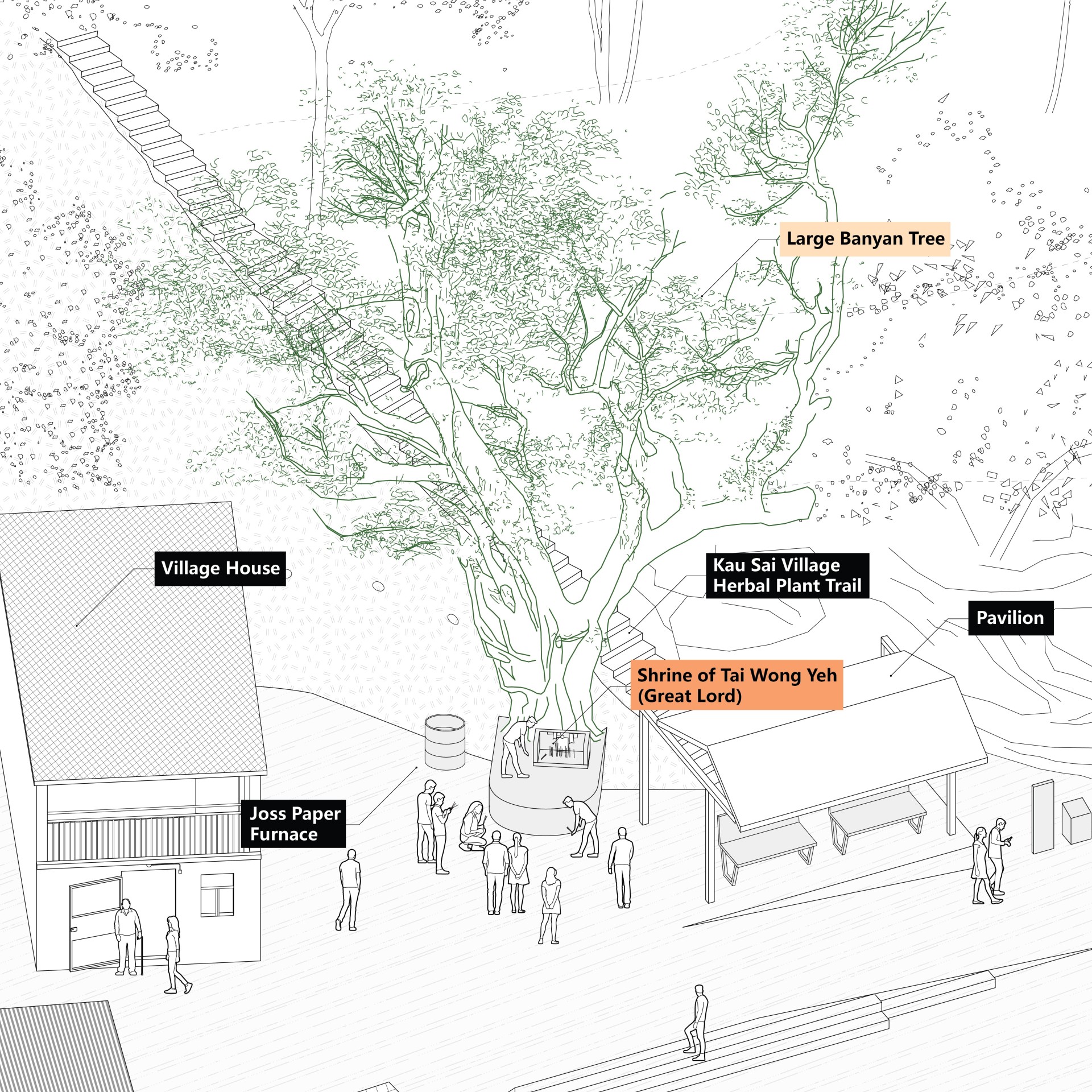
Another large Ficus microcarpa (banyan tree) stands beside a pavilion in an open area where villagers often gather. It leans against a staircase that connects to the Herbal Plant Trail. Underneath the tree is the shrine of the Tai Wong Yeh (Great Lord). Not only villagers and devotees of the Hung Shing Temple come to worship, hikers who pass by would also take a moment to pay their respects. This banyan tree once flourished with a lush canopy. However, over the years it has been affected by pests, therefore the leaves are now withered and the trunk is hollowed out.
In recent years, the seasonal strong winds and heavy rains often damage the branches of the banyan tree. Villagers are worried about the health of the tree, and hope to have the help from professionals to rescue this precious old tree.
Gallery


3D Model
Heritage
This banyan tree is called "Grandpa Banyan" because of a village tradition: if a child is weak and get sick often, the family would arrange the shangqi ceremony—which means to establish a spiritual kinship between the child and Grandpa Banyan, so that the deity would bless their children with good health.
The ritual of the shangqi includes offering incense, chanting, and dedication. Sometimes, villagers would even take a section of the aerial root from the banyan tree and weave it into small bracelets for children as protective charms. To this day, shangqi with Grandpa Banyan remains a common practice among the villagers who pray for their descendants’ health and peace.
Villagers & the Tree
-
 Present
 -
 Past
Past

Historical Photos (Provided by Villagers)
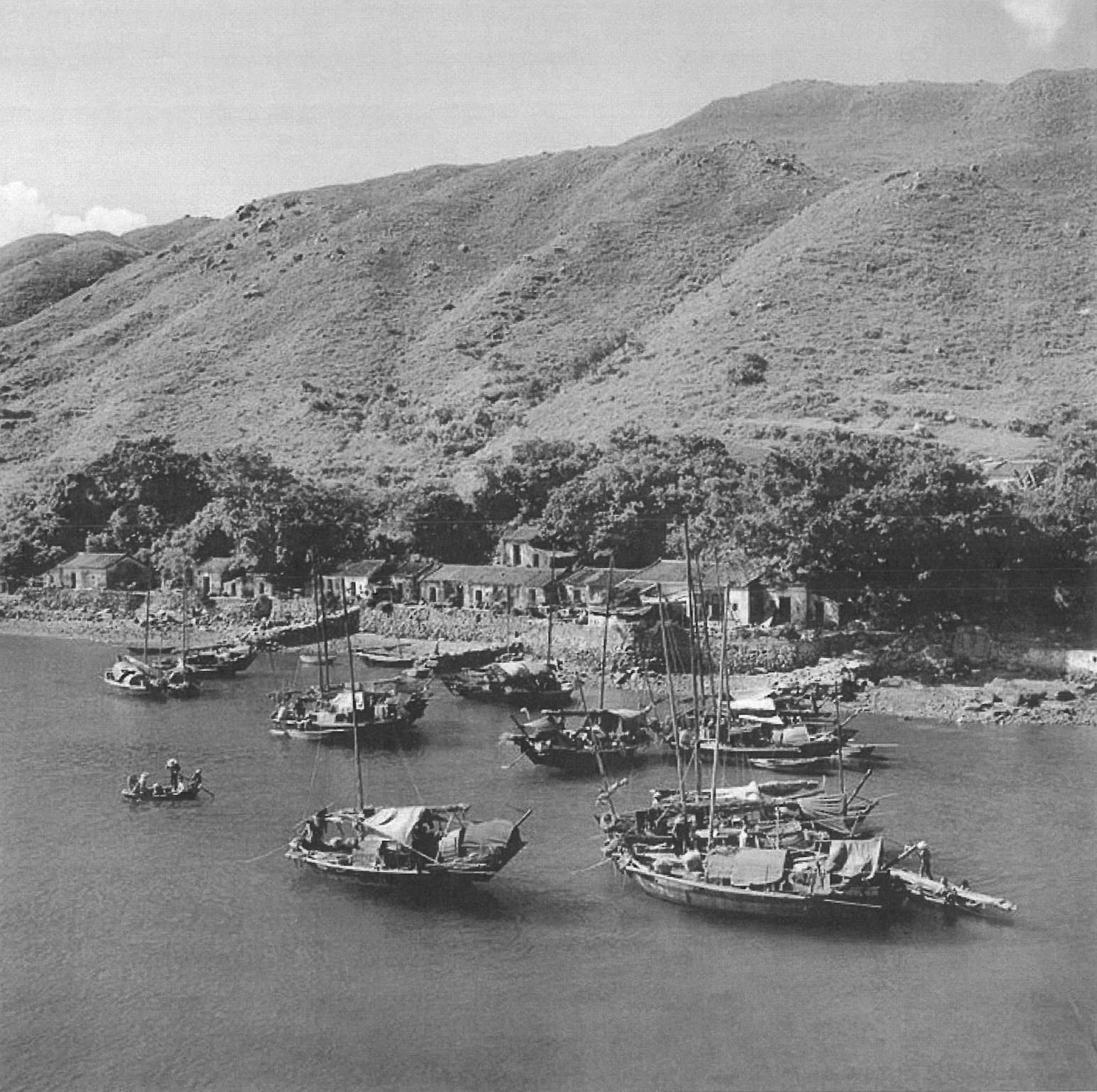
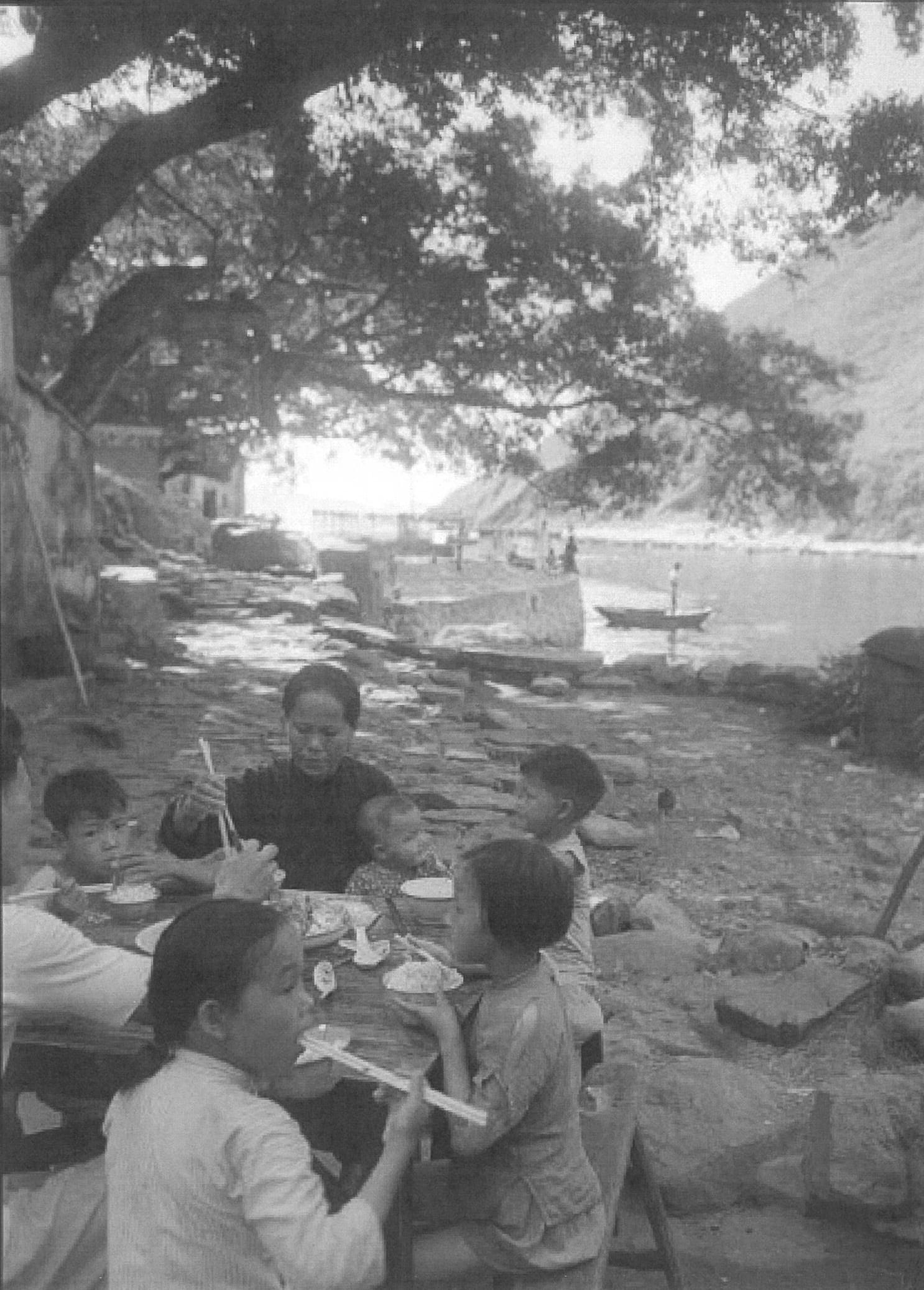
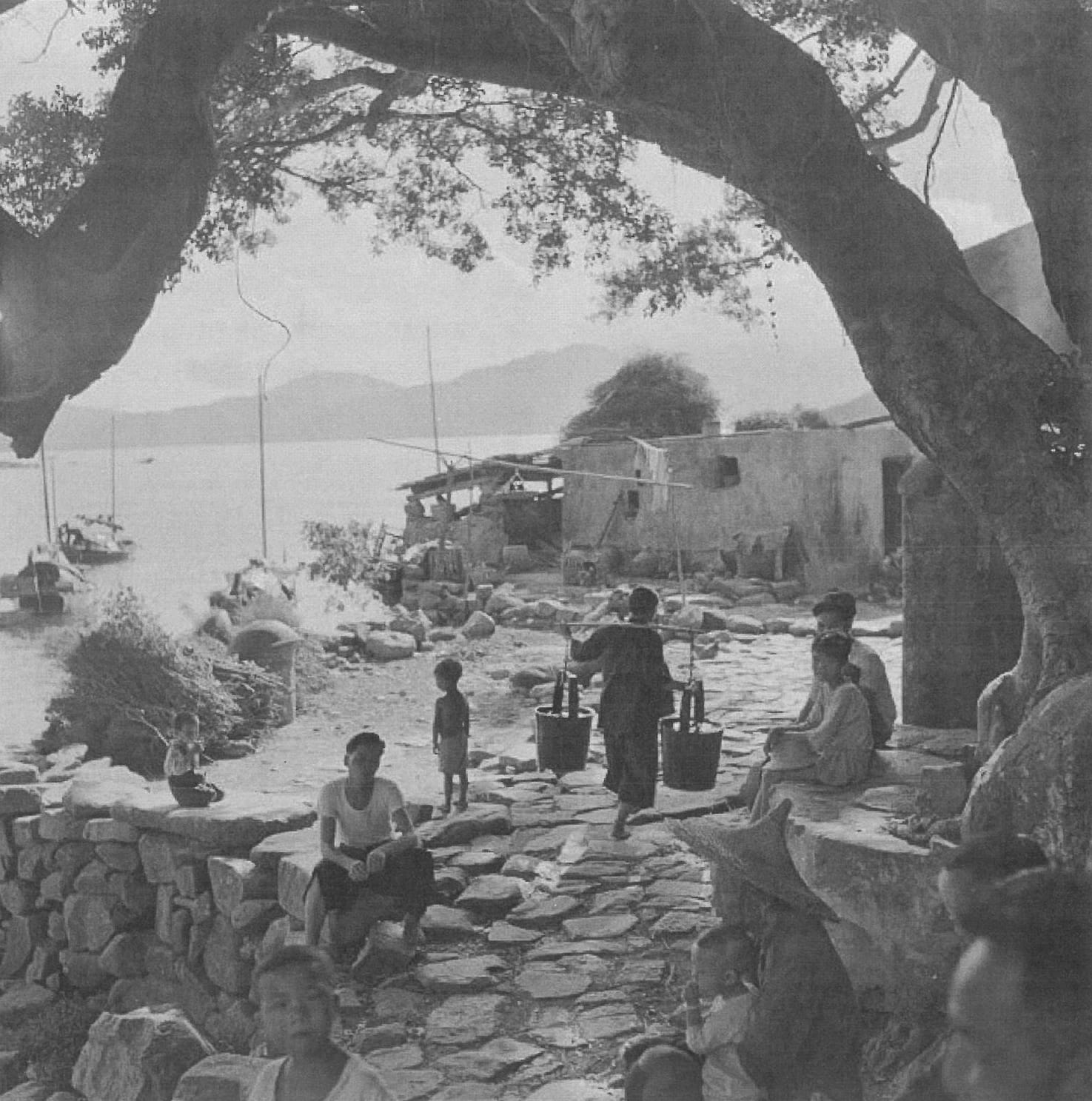
Kau Sai Fishermen Village possesses not only precious geological relics, but also a wealth of cultural heritage. The village office is home to the Kau Sai Village Story Room where a selection of old photographs, historic fishing implements and more is on view to introduce the changes of fishermen’s lives. Currently, the most urgent task for villagers is to conserve the tree Grandpa Banyan as a preservation of the diverse life experiences and emotions on the island, so that the public can learn more about the different facets of Kau Sai Chau and the fishermen village.
The inauguration of the Sai Kung Hoi Arts Festival in 2022 has not only brought art installations and public participation events to Kau Sai Fishermen Village, it has also facilitated the expansion of the island's transportation network. In addition to the newly established regular kaito ferry service, a new pier has just completed to bring convenience to villagers as well as to encourage the public and tourists to explore this unique island.
Reference
- https://preview.geopark.gov.hk/en/discover/attractions/kau-sai-chau
- https://www.amo.gov.hk/en/historic-buildings/monuments/new-territories/monuments_76/index.html
- https://www.amo.gov.hk/tc/about-us/online-articles/20230316/index.html
- https://www.hkichdb.gov.hk/en/item.html?0814157c-d7ef-4622-a074-4e30ea39f31f#cten
- https://www.td.gov.hk/en/transport_in_hong_kong/public_transport/ferries/kaito_services_map/service_details/index.html