

Shap Pat Heung Tai Shu Ha Tin Hau Temple
Shap Pat Heung, located near the Shan Pui River, is one of the six villages in Yuen Long. In the past, it was a fertile and liveable area ideal for farming. Today, the village is filled with numerous houses. Although the village has undergone numerous changes, the Ficus microcarpa (banyan tree) and the Tai Shu Ha Tin Hau Temple remain significant cultural heritage sites that the villagers of Shap Pat Heung take pride in and cherish deeply. The villagers have always made every effort to protect these two significant landmarks. During major festivals, such as the Lunar New Year and Tin Hau Festival, many locals and tourists come to pay their respects at the Temple and to see the old banyan tree.
Shap Pat Heung Tai Shu Ha Tin Hau Temple
Shap Pat Heung, located near the Shan Pui River, is one of the six villages in Yuen Long. In the past, it was a fertile and liveable area ideal for farming. Today, the village is filled with numerous houses. Although the village has undergone numerous changes, the Ficus microcarpa (banyan tree) and the Tai Shu Ha Tin Hau Temple remain significant cultural heritage sites that the villagers of Shap Pat Heung take pride in and cherish deeply. The villagers have always made every effort to protect these two significant landmarks. During major festivals, such as the Lunar New Year and Tin Hau Festival, many locals and tourists come to pay their respects at the Temple and to see the old banyan tree.
Village
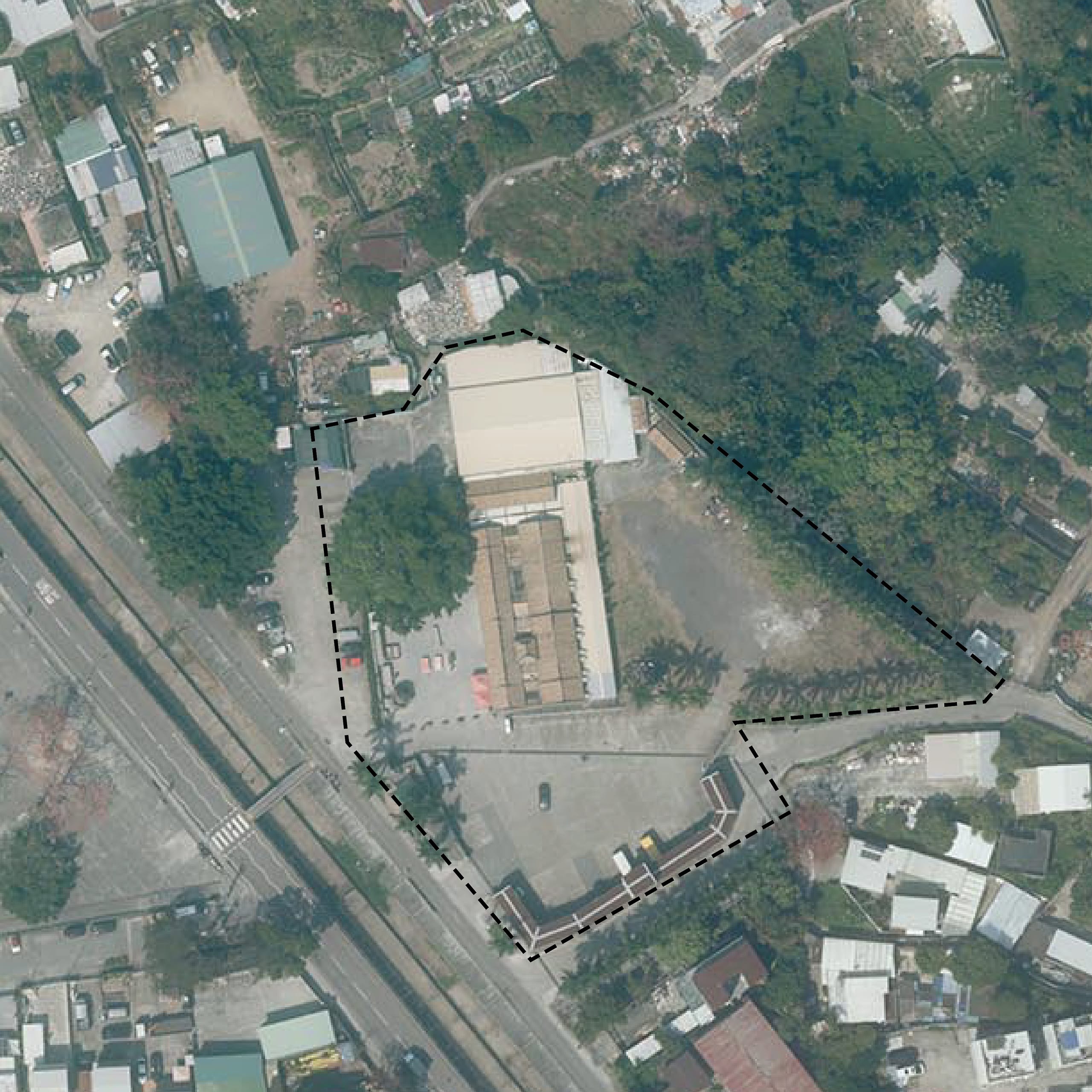
Satellite Photos
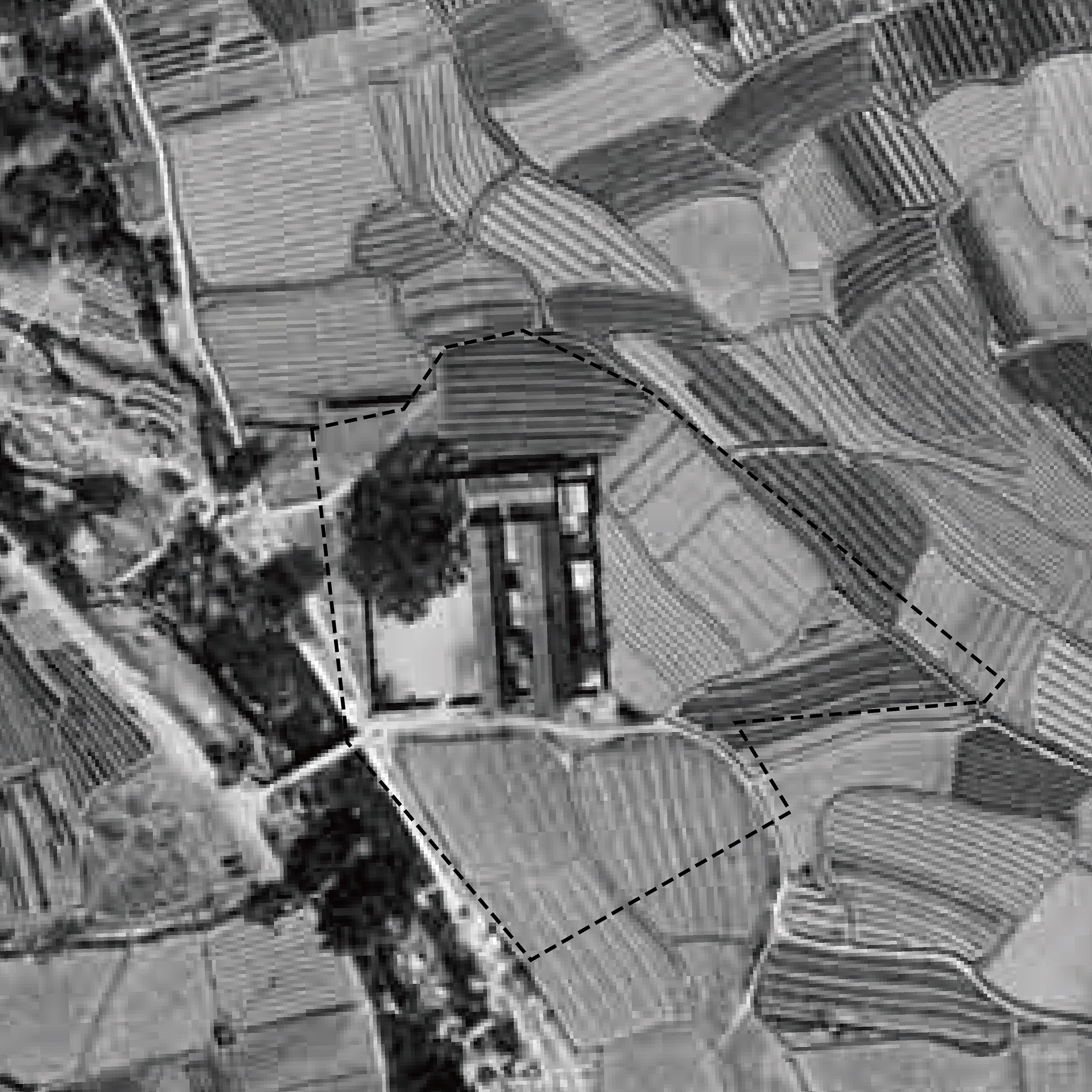
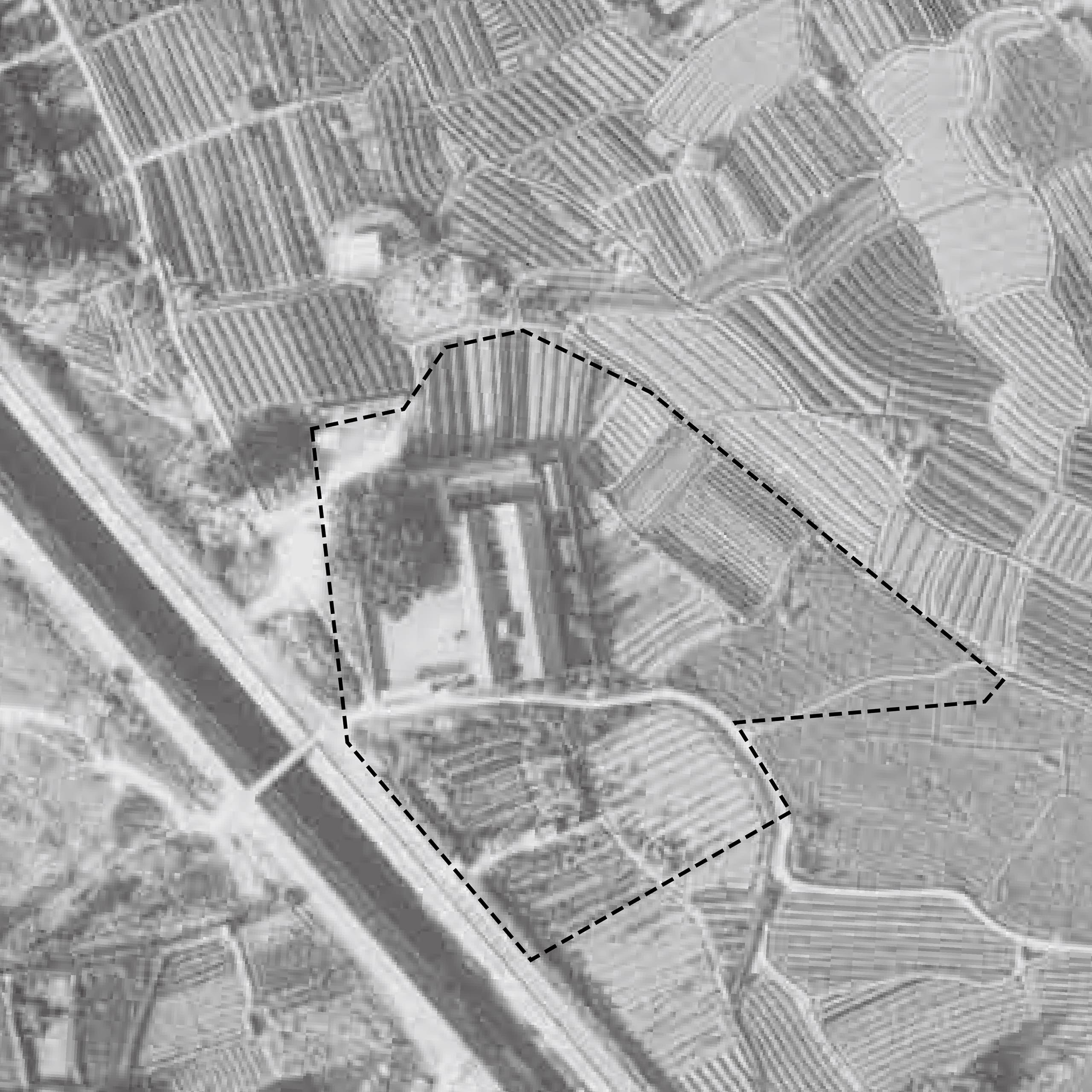
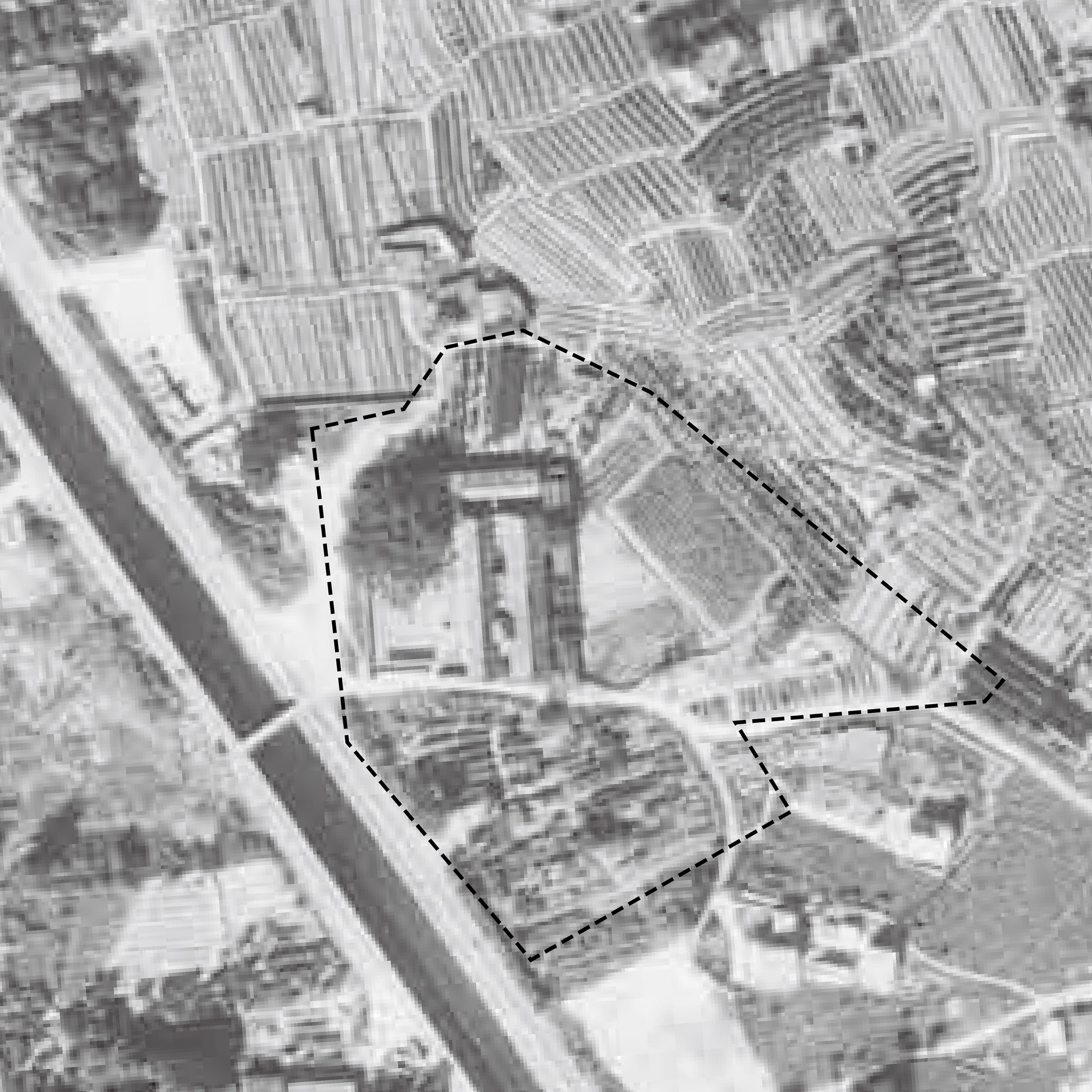
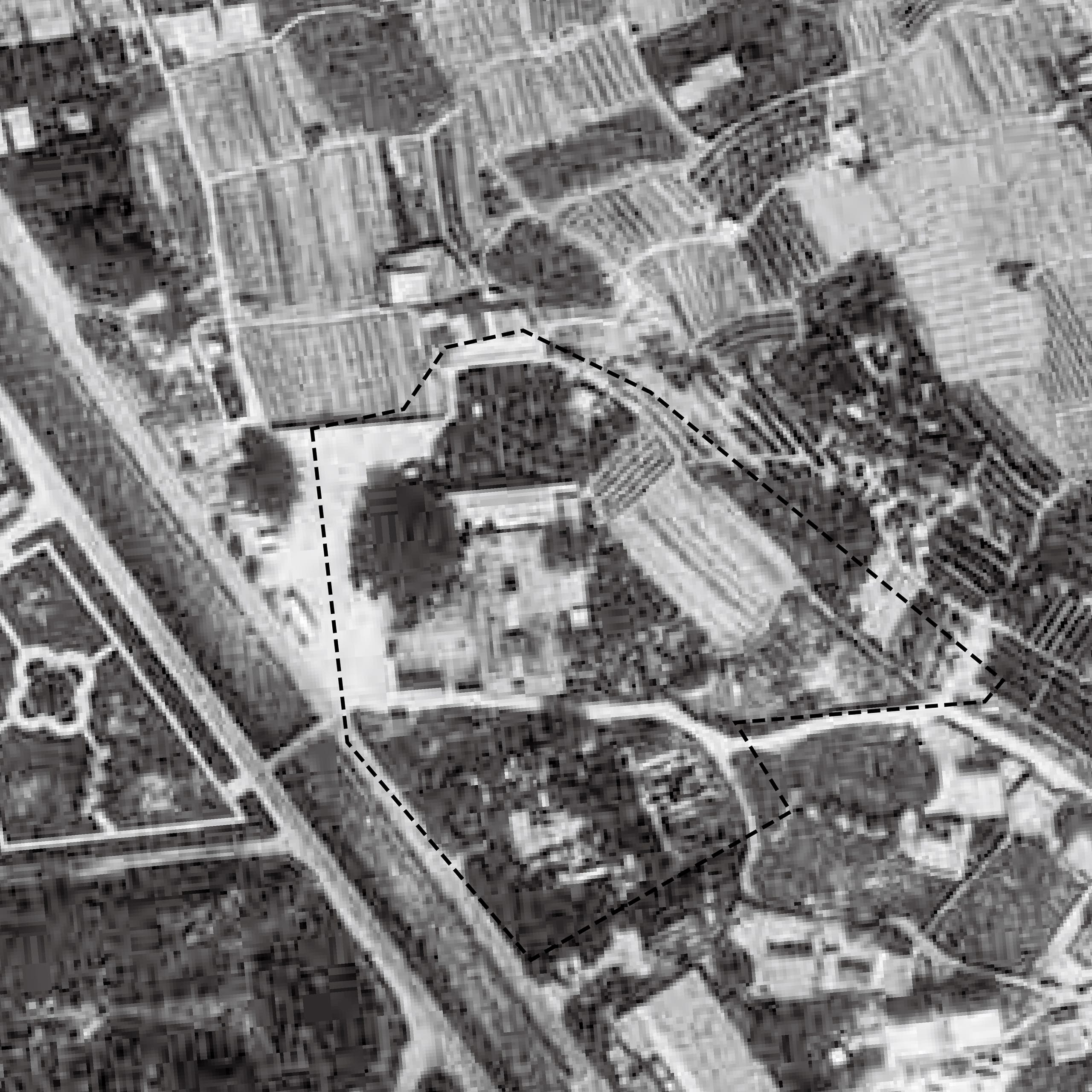
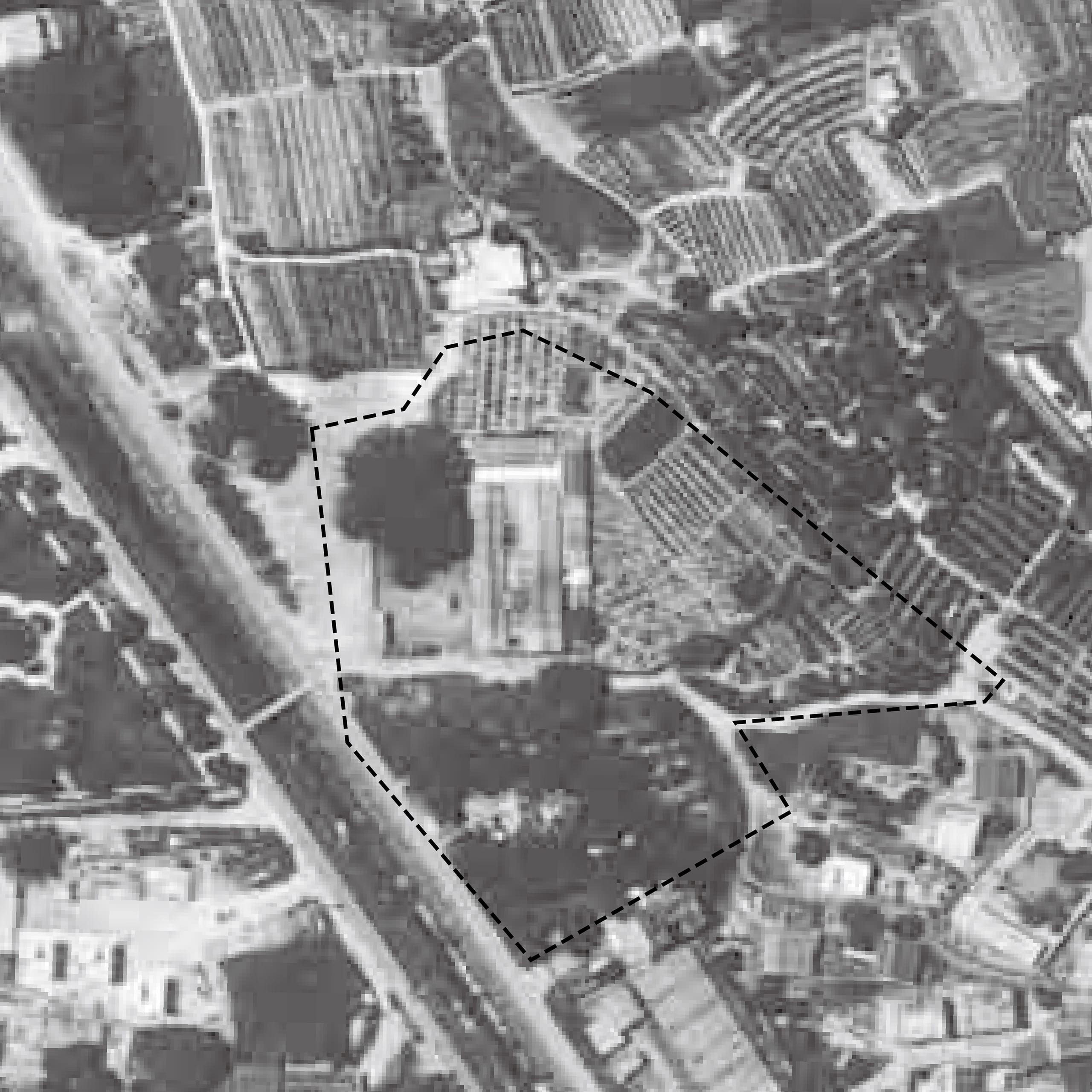


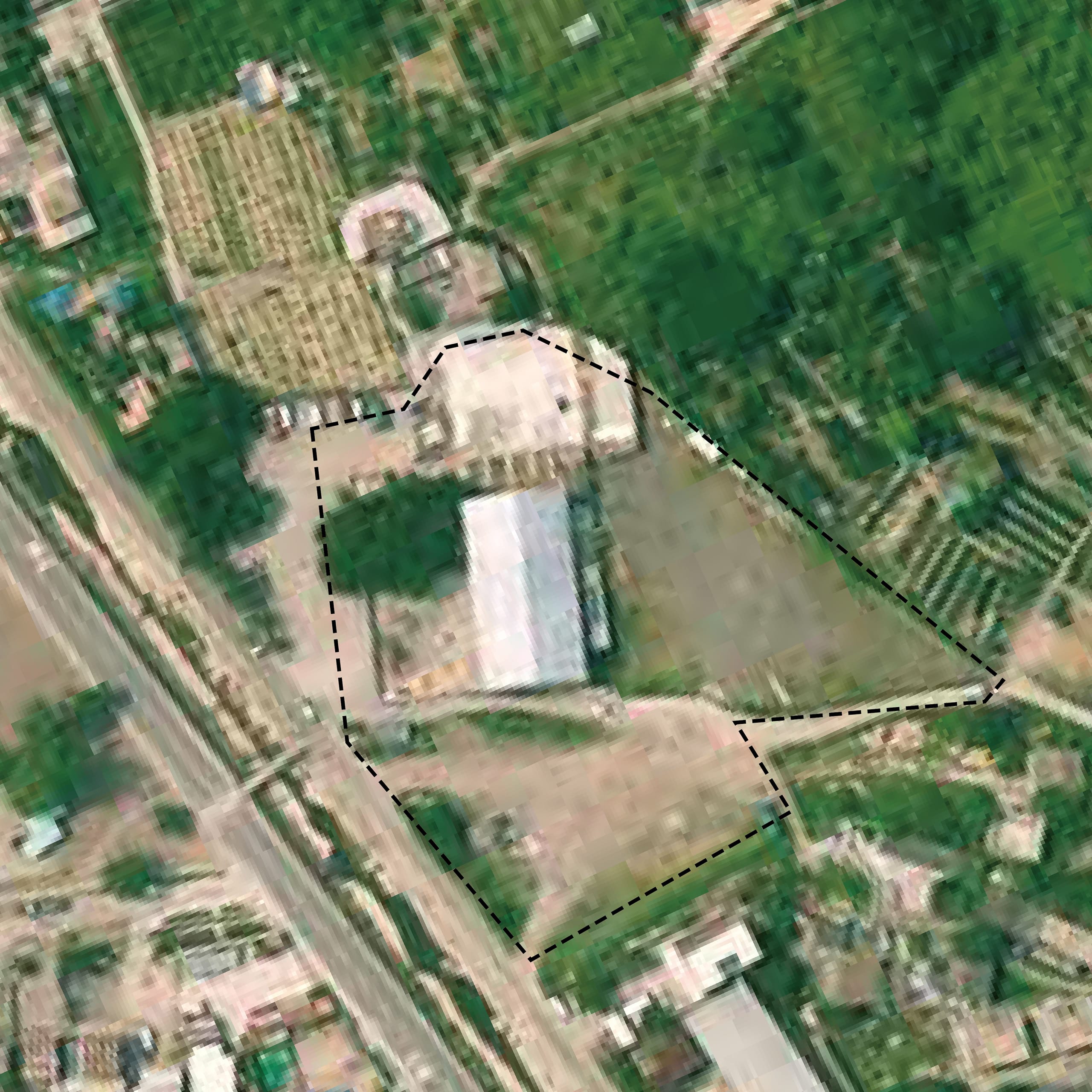

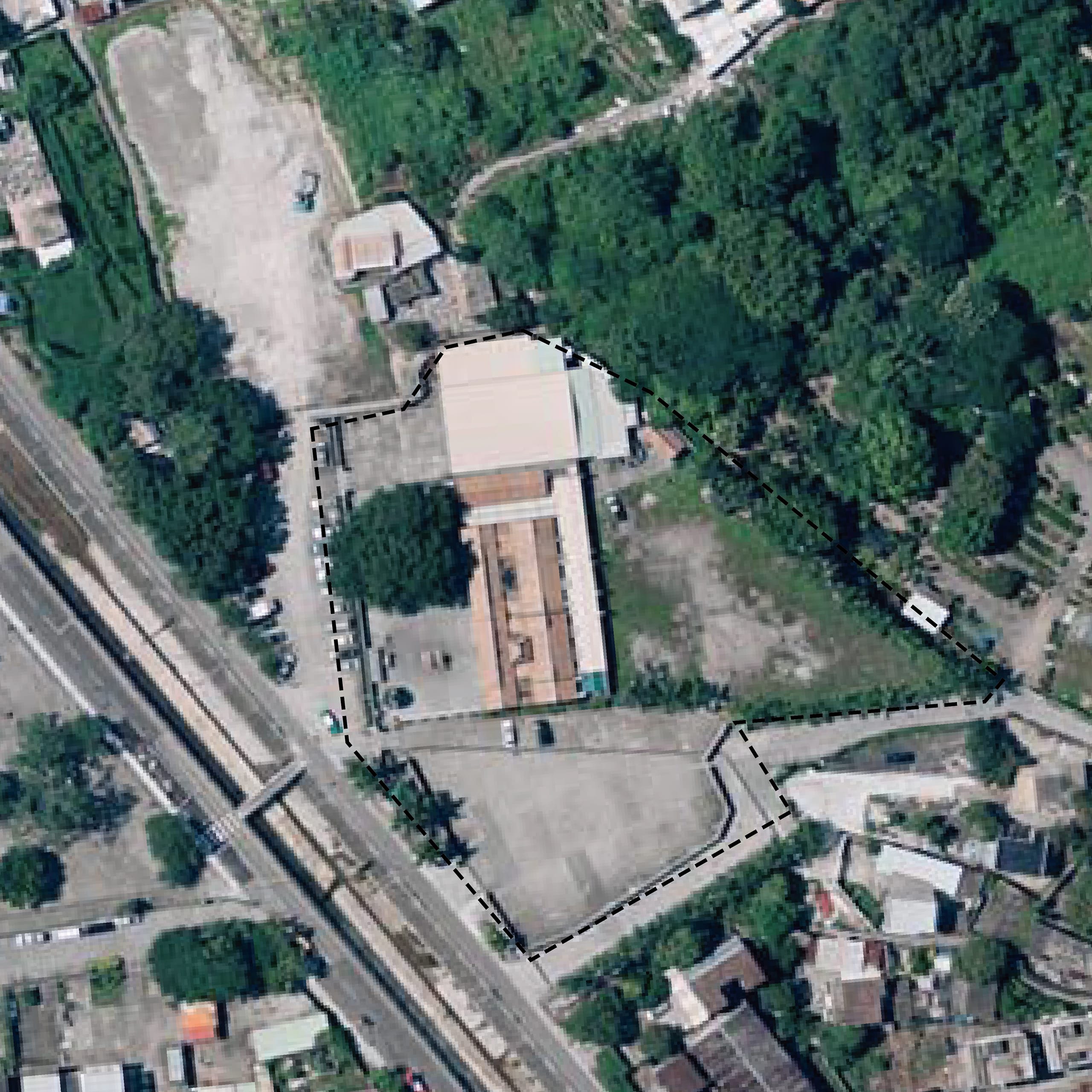
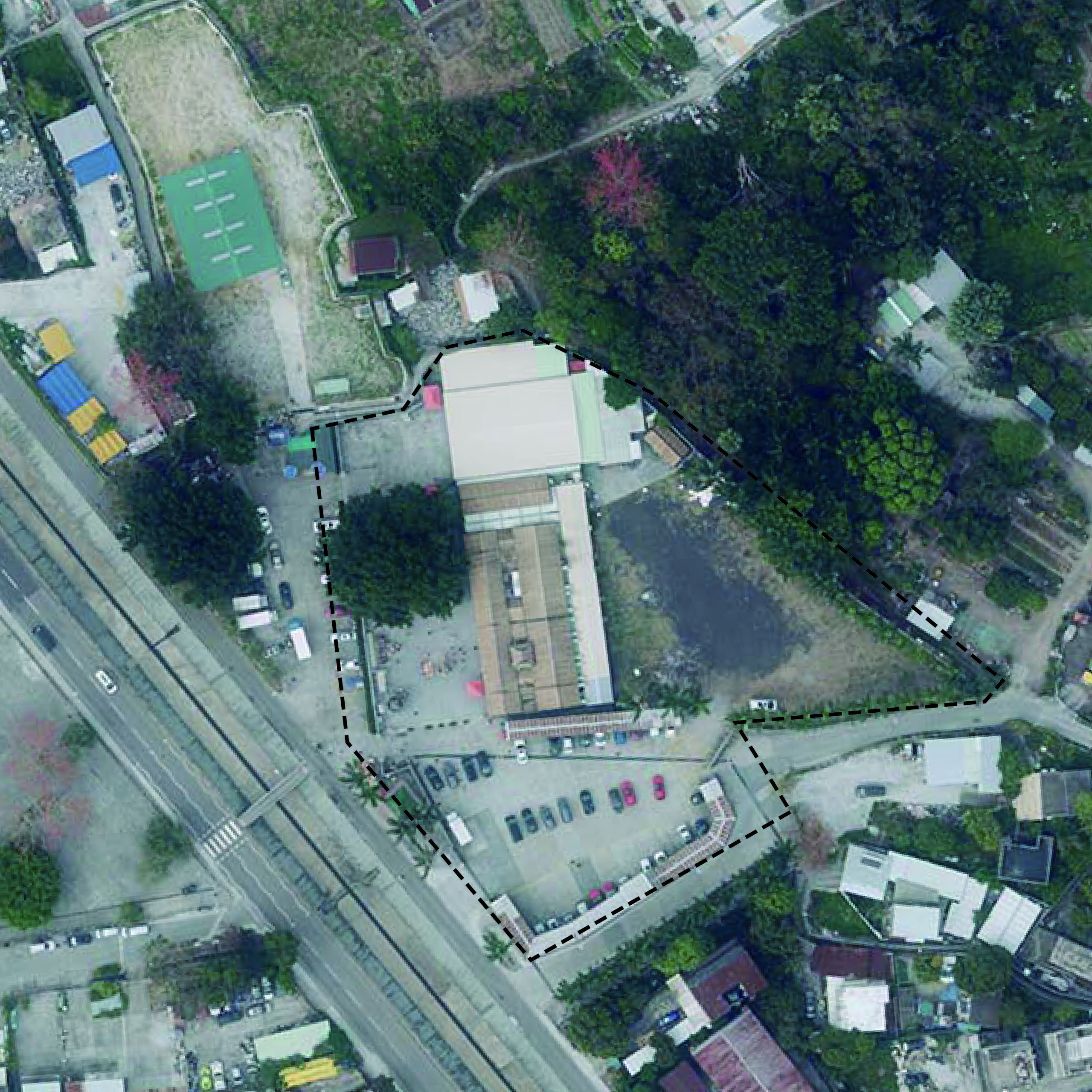
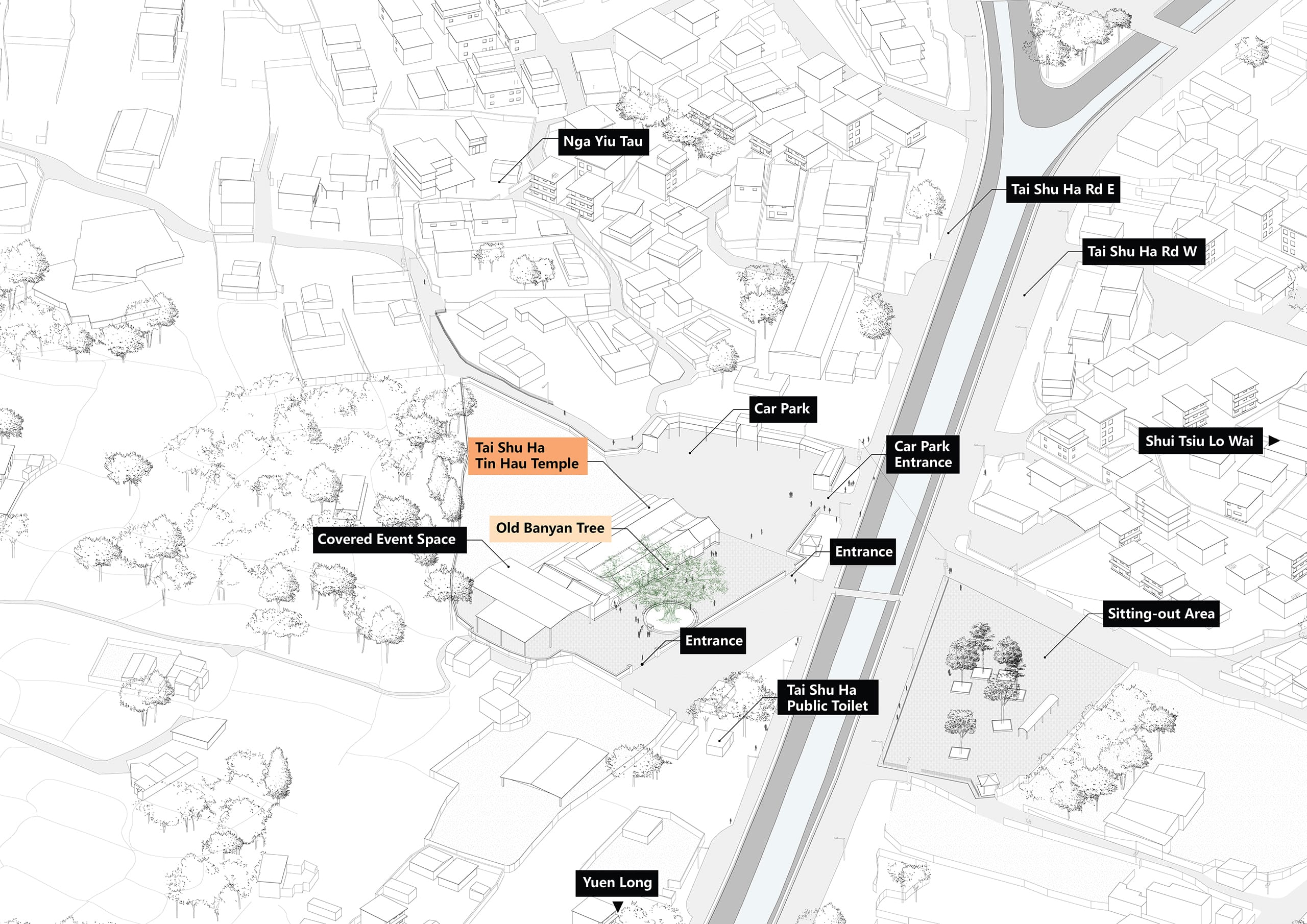
Village Spatial Setting
Tree
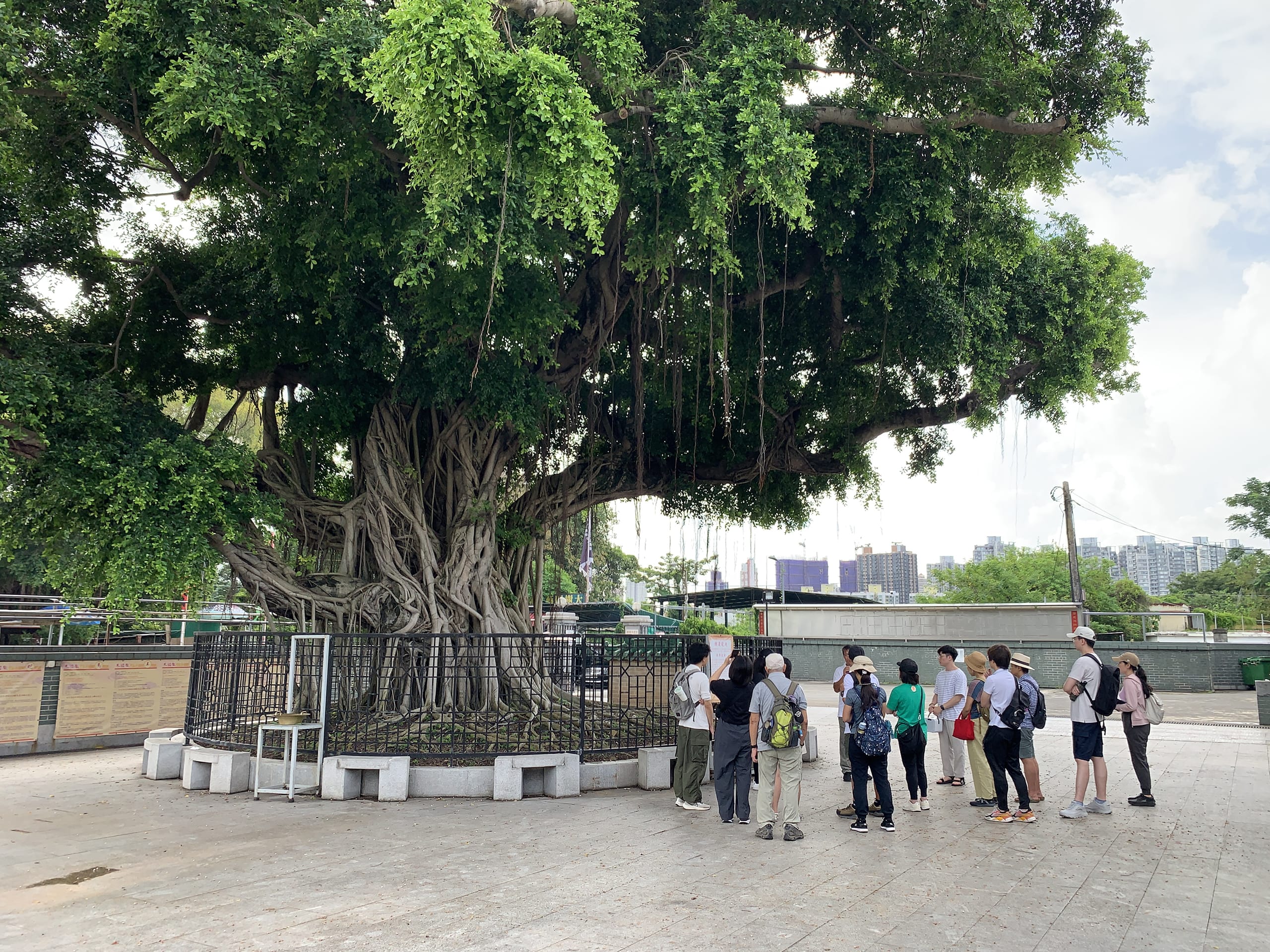
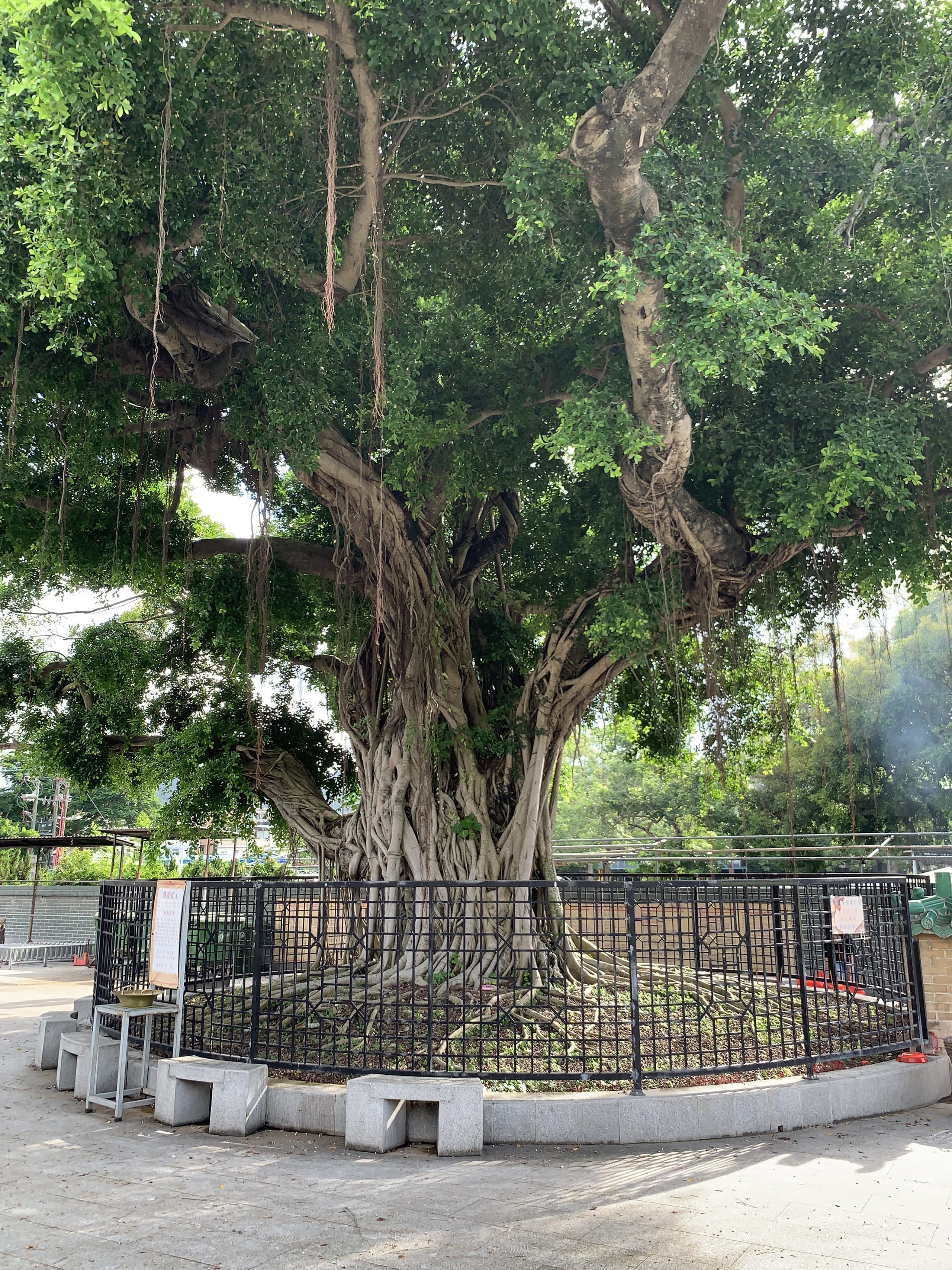
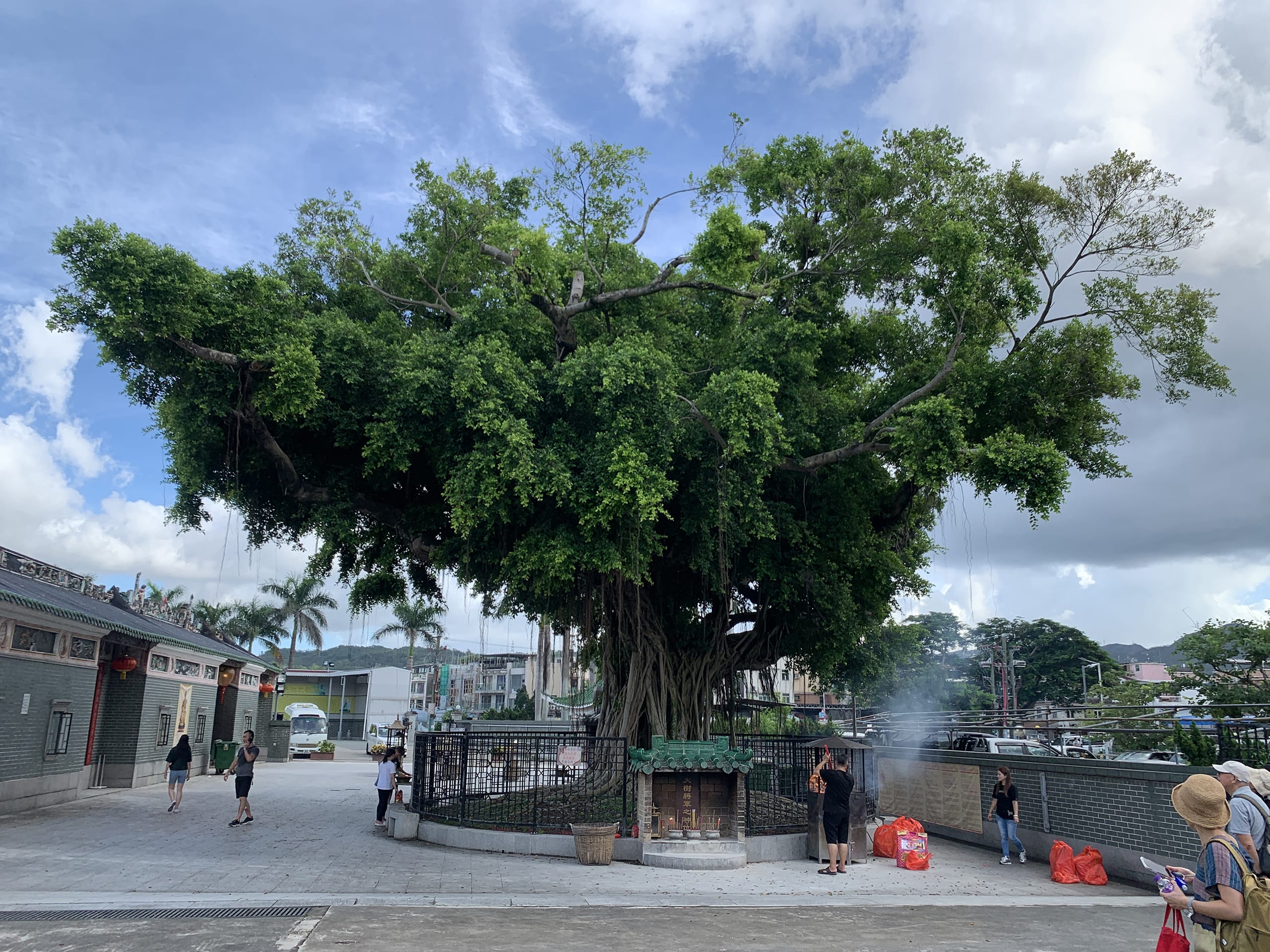
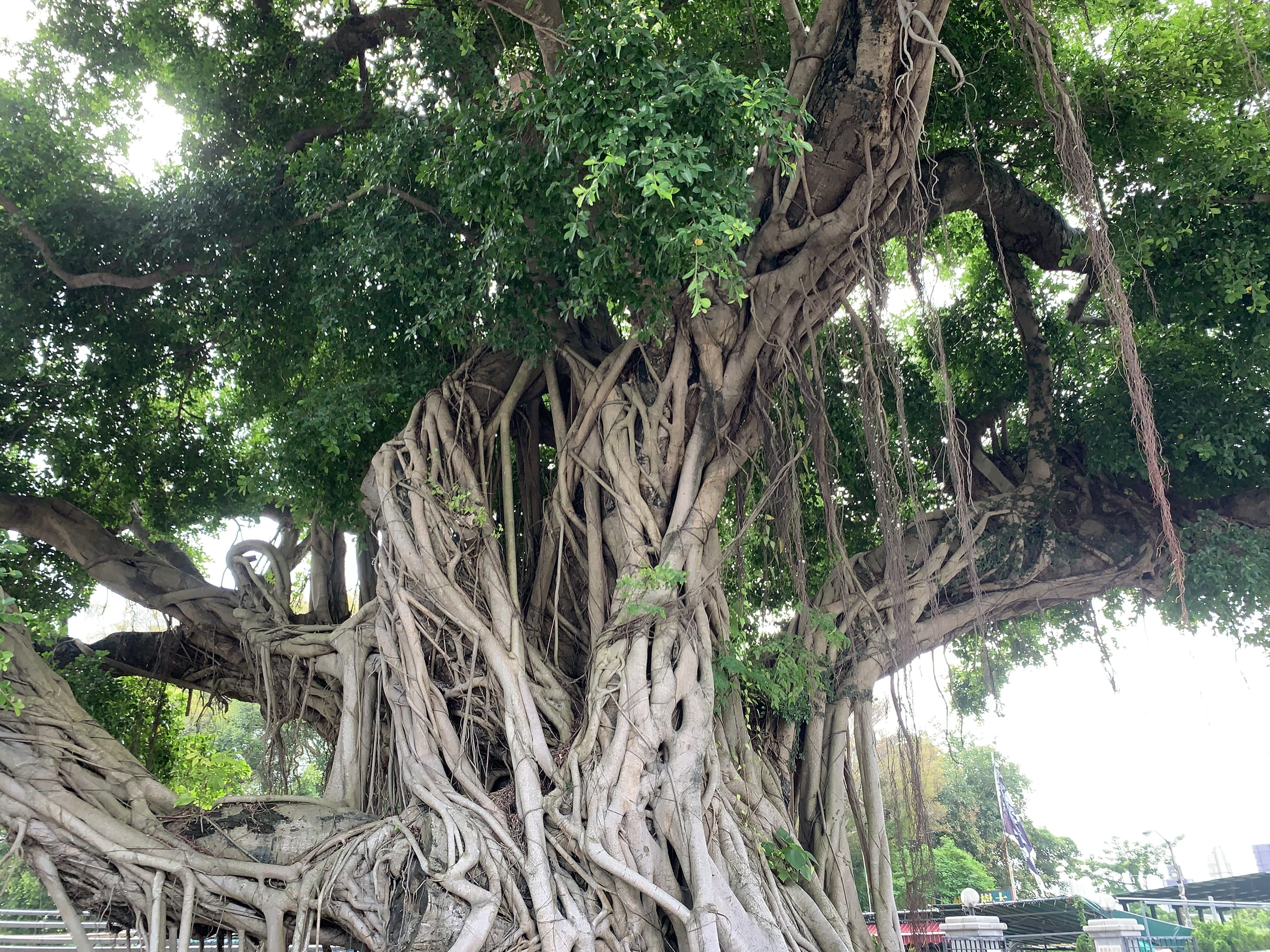
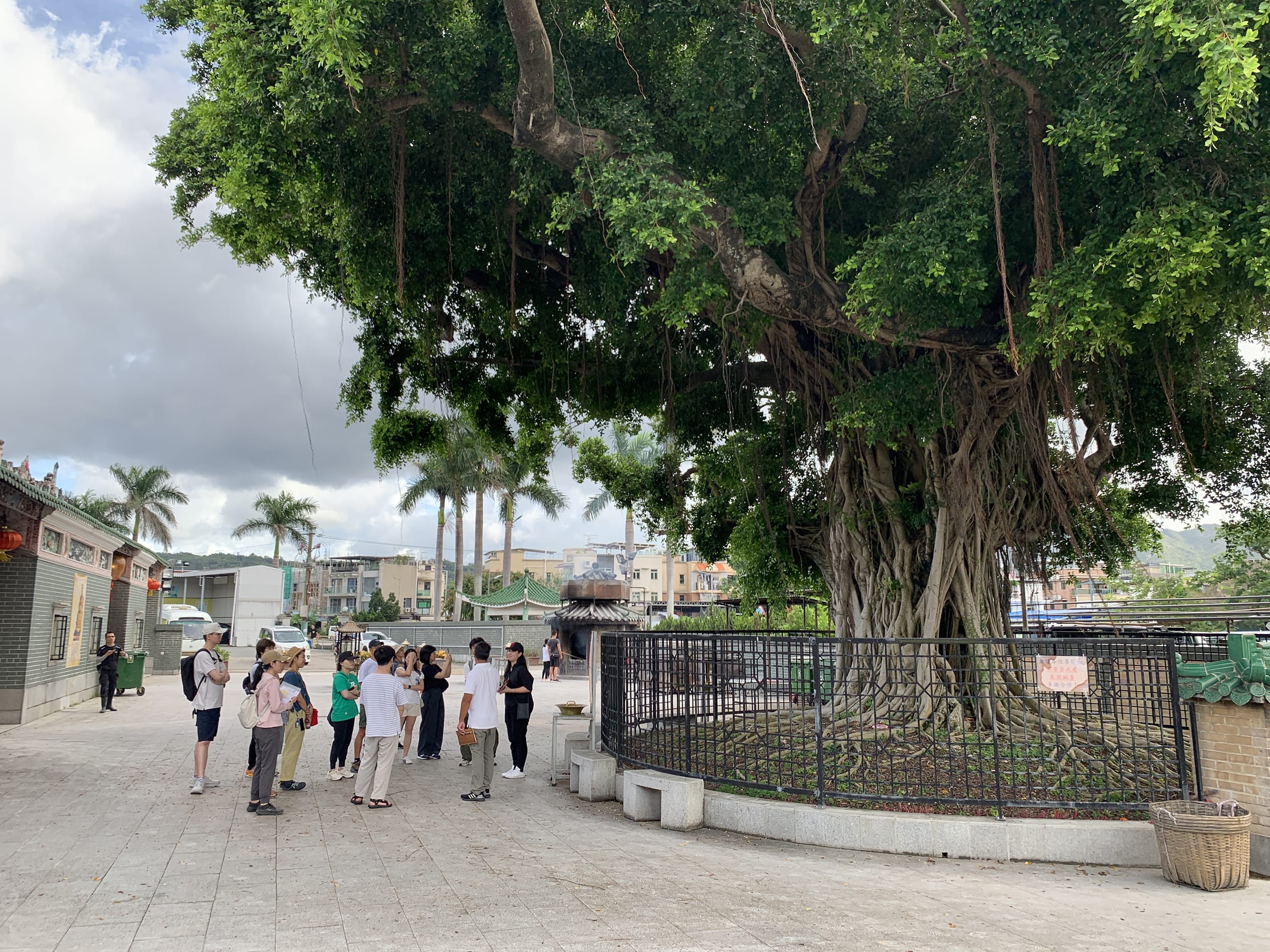
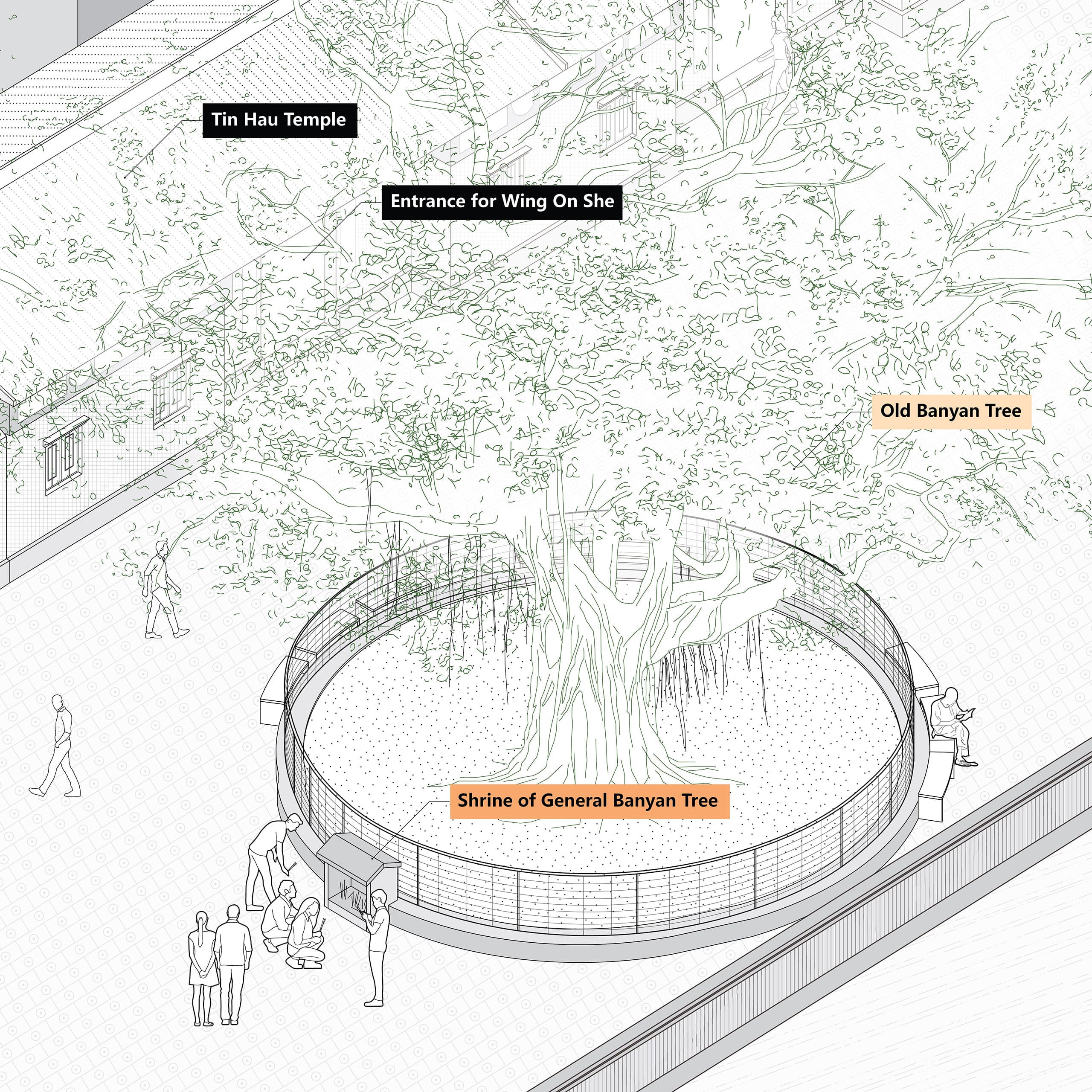
The Tin Hau Temple is known as the Tai Shu Ha Tin Hau Temple, as it can be seen that the banyan tree and the ancient temple complement each other, both being landmarks of the village. Located at Nga Yiu Tau in Shap Pat Heung, this large banyan tree has a broad canopy, making it a popular location for many outdoor celebrations.
The deity worshipped under the banyan tree is known as the "General Banyan Tree", said to be the guardian spirit of the tree. Earlier the tree was affected by the pest of the Phauda flammans, so villagers are concerned about the tree’s health.
Gallery


3D Model
Heritage
The Tai Shu Ha Tin Hau Temple once served as a place for meetings and cultural exchanges, which is why the villagers regard both the tree and the temple as crucial cultural landmarks. Certain ceremonial rituals in Shap Pat Heung are associated with the banyan tree. It is said that the Hakka Qilin (Unicorn) team usually first circles the tree and then disperses during rituals. The action of “encircling and dispersing” symbolises that even when one is trapped or surrounded by difficulties, he or she can resolve the challenges.
Villagers & the Tree
Historical Photos (Provided by Villagers)
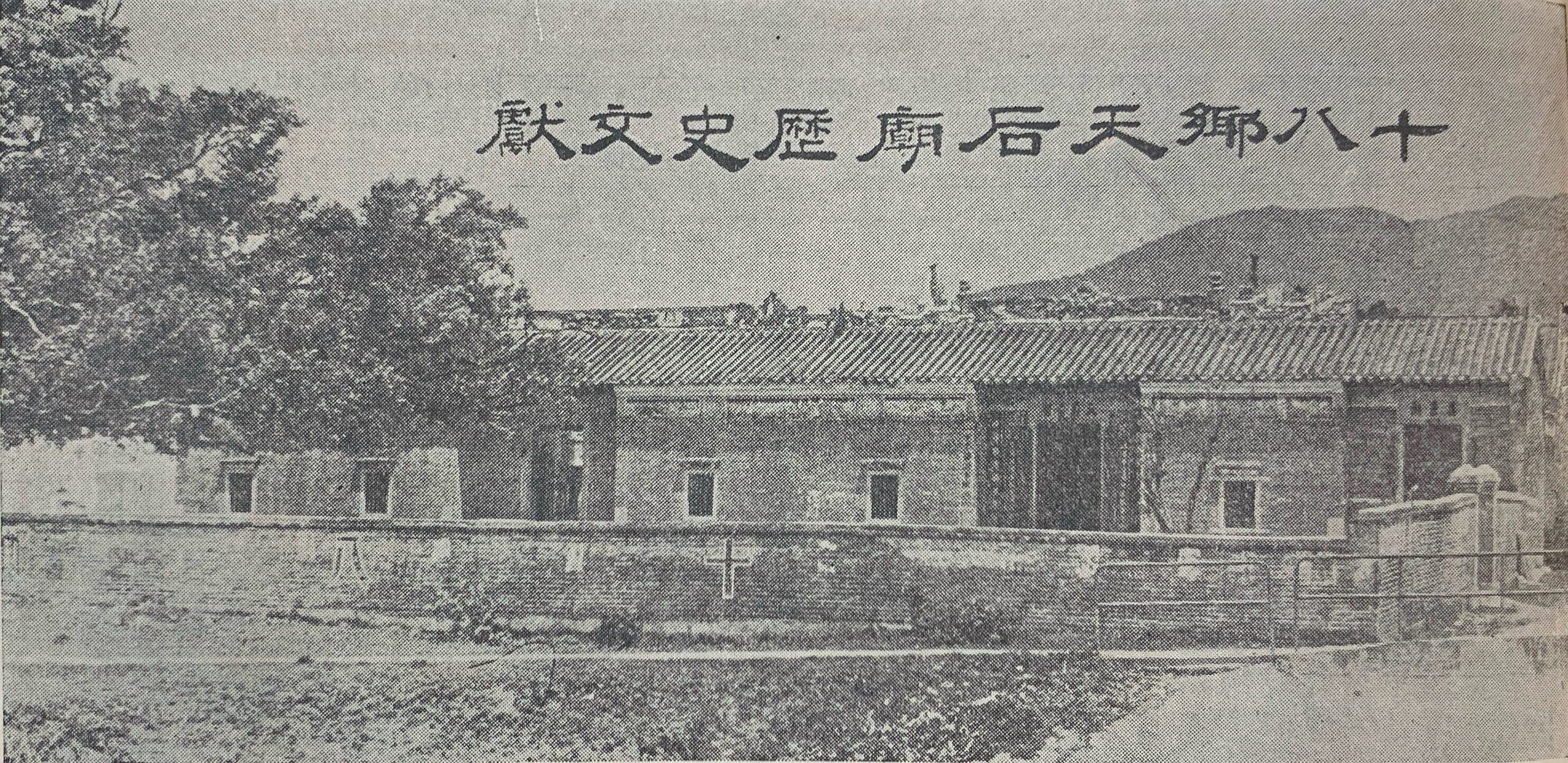


According to the archives of Shap Pat Heung, the banyan tree is even older than the temple. As time has passed, the tree has grown larger and has witnessed how the temple gradually grew from a small shrine beneath its branches to a seven-bay architecture. In 2010, the Tai Shu Ha Tin Hau Temple was rated as a Grade II historic building, which attests to its cultural value.
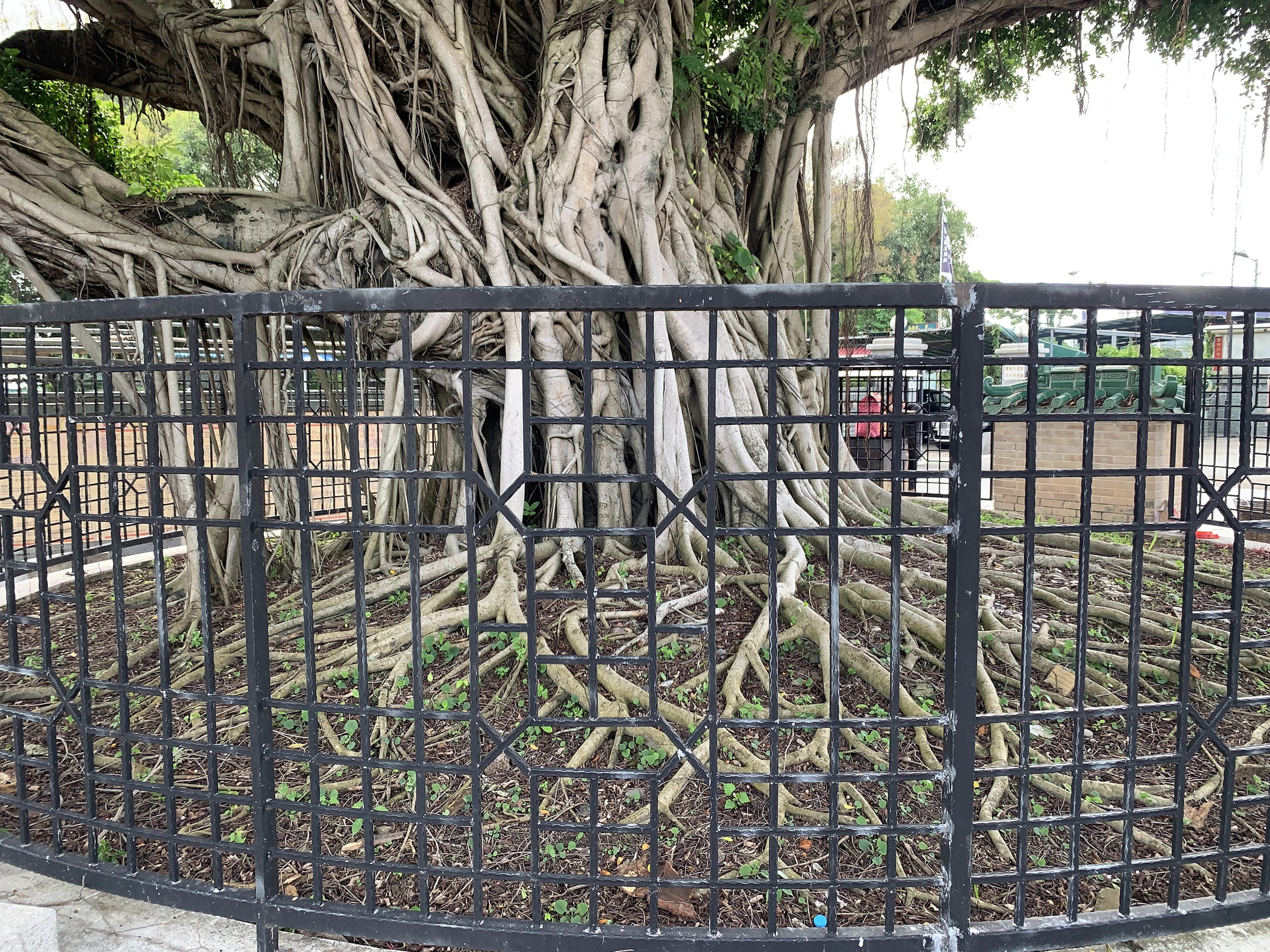
Villagers have thoughtfully added a fence around the banyan tree to protect it from damage. However, pest infestations cause the villagers a grave concern. They hope that relevant government departments or concerned individuals can share valuable advice to help them conserve this precious old banyan tree.